

What Happens When the Camshaft Goes Bad?
The camshaft is one of the most critical components in your vehicle’s engine, responsible for controlling the timing of the valves. When the camshaft goes bad, it can lead to significant engine performance issues, or worse, complete engine failure. Understanding the symptoms of a bad camshaft, its causes, and how to address the problem can help you maintain your engine’s health and avoid costly repairs.
What’s the Difference Between Crankshaft and Camshaft?
Before diving into what happens when a camshaft goes bad, it’s essential to understand the difference between the crankshaft and camshaft, as both are crucial for your engine’s operation.
Crankshaft
The crankshaft is responsible for converting the up-and-down motion of the pistons into rotational motion that powers your vehicle. It is located at the bottom of the engine and is connected to the pistons via connecting rods.
Camshaft
The camshaft, on the other hand, is responsible for controlling the opening and closing of the engine’s intake and exhaust valves. It is located in the cylinder head and rotates in sync with the crankshaft. The camshaft ensures that the valves open at the right time, allowing air and fuel into the combustion chamber and exhaust gases to exit.
Key Differences
- Function: The crankshaft converts linear motion into rotational motion, while the camshaft controls valve timing.
- Location: The crankshaft is at the engine’s bottom, whereas the camshaft is located in the cylinder head.
- Interaction: The camshaft is driven by the crankshaft via a timing belt, chain, or gears, ensuring synchronized operation.
6 Symptoms of a Bad Camshaft
When the camshaft begins to fail, it can cause a variety of symptoms that affect your engine’s performance. Here are six common signs that your camshaft may be going bad:
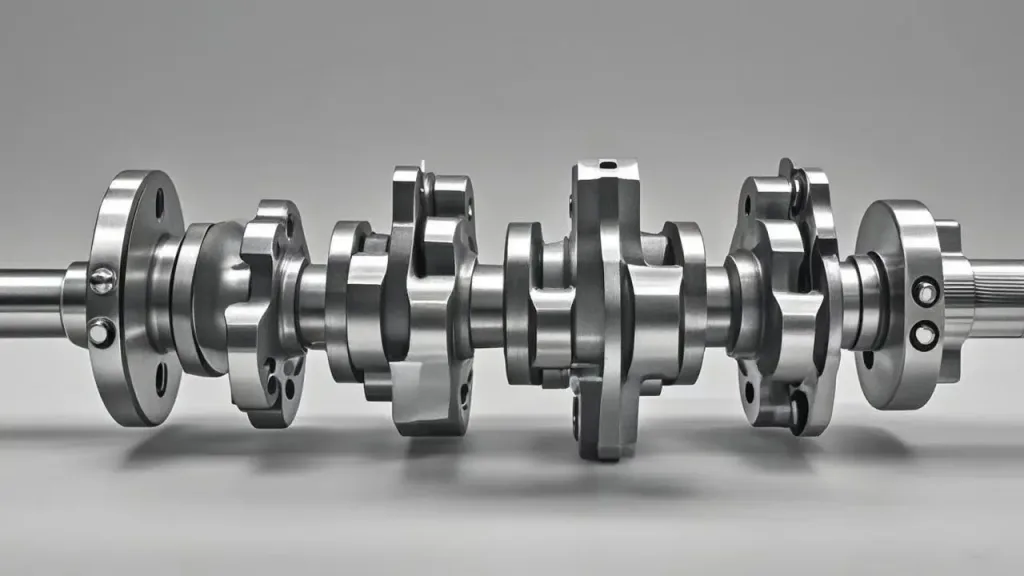
1. Ticking or Tapping Noises
One of the earliest signs of a failing camshaft is a ticking or tapping noise coming from the engine. This noise is usually caused by worn camshaft lobes or lifters, which can no longer maintain proper valve timing.
2. Poor Engine Performance
A bad camshaft can lead to a noticeable decline in engine performance. You may experience a loss of power, rough idling, or difficulty accelerating. This happens because the camshaft is not opening and closing the valves at the right time, leading to inefficient combustion.
3. Misfires
Misfiring cylinders are another symptom of a bad camshaft. If the camshaft lobes are worn, they may not fully open the valves, resulting in incomplete combustion. This can cause the engine to misfire, especially at low RPMs.
4. Check Engine Light
A bad camshaft can trigger the check engine light on your dashboard. The engine control unit (ECU) monitors the camshaft’s position and performance, and if it detects an issue, it will illuminate the check engine light. A diagnostic scan tool can help identify the specific camshaft-related code.
5. Metal Shavings in Oil
Finding metal shavings in your engine oil is a serious indication that something is wrong with the camshaft or other internal engine components. As the camshaft wears down, metal particles can break off and contaminate the oil, leading to further engine damage.
6. Excessive Exhaust Smoke
If the camshaft is not operating correctly, it can cause an imbalance in the air-fuel mixture, leading to incomplete combustion. This can result in excessive exhaust smoke, which may be black, blue, or white, depending on the underlying issue.
Camshaft Failure Causes
Understanding the causes of camshaft failure can help you prevent this serious engine issue. Here are some common reasons why camshafts fail:
1. Insufficient Lubrication
Camshafts rely on proper lubrication to function smoothly. If the engine oil level is low or the oil is not circulating correctly, the camshaft can suffer from excessive friction, leading to premature wear or damage.
2. Manufacturing Defects
In rare cases, camshaft failure can be due to manufacturing defects. This could involve improper hardening of the camshaft material or incorrect machining, which can lead to early failure.
3. Excessive Engine Heat
Overheating can cause the camshaft to warp or crack. Excessive engine heat may result from issues like a failing cooling system, prolonged heavy loads, or aggressive driving habits.
4. Improper Installation
Improper installation during a previous repair can also lead to camshaft failure. If the camshaft was not installed correctly, it might not align properly with the engine’s timing, leading to premature wear and failure.
5. Wear and Tear
Like any engine component, camshafts can wear out over time, especially in high-mileage vehicles. Normal wear and tear from years of operation can eventually cause the camshaft to fail.
What Happens When a Camshaft Breaks?
If a camshaft breaks, it can cause catastrophic engine damage. Here’s what can happen:
1. Engine Stops Running
A broken camshaft will immediately cause the engine to stop running. Without the camshaft to control the valves, the engine cannot maintain the combustion process.
2. Valve and Piston Damage
A broken camshaft can cause the valves to remain open or closed at the wrong times. In severe cases, this can lead to the valves striking the pistons, resulting in bent valves, damaged pistons, and potentially a ruined engine.
3. Complete Engine Failure
If the camshaft breaks while the engine is running, it can cause complete engine failure. The sudden loss of valve timing can result in catastrophic damage to various engine components, often requiring a full engine rebuild or replacement.
How to Fix a Bad Camshaft
Fixing a bad camshaft typically involves replacing the camshaft itself, along with any other damaged components.
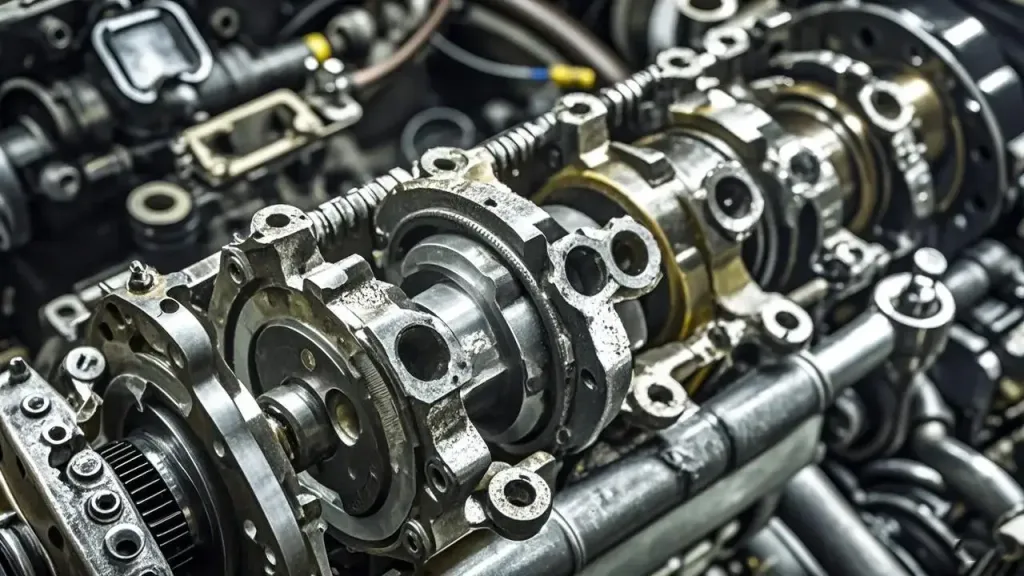
1. Camshaft Replacement
Replacing a camshaft is a labor-intensive job that requires significant engine disassembly. The process involves removing the timing belt or chain, cylinder head, and other components to access the camshaft. It’s recommended to replace other related parts, such as lifters, pushrods, and valve springs, during the camshaft replacement.
2. Addressing Underlying Issues
If the camshaft failure was caused by an underlying issue, such as poor lubrication or overheating, it’s essential to address these problems to prevent future failures. This may involve repairing the oil pump, replacing the timing belt, or fixing the cooling system.
3. Professional Repair vs. DIY
Given the complexity of camshaft replacement, it’s generally recommended to have a professional mechanic handle the repair. While experienced DIY enthusiasts may be able to perform the replacement, it requires specialized tools and knowledge to do the job correctly.
When Is It Time to Change the Camshaft?
Knowing when to change the camshaft can prevent further engine damage. Here are some indicators that it’s time for a replacement:
1. Persistent Symptoms
If you’re experiencing persistent symptoms of a bad camshaft, such as ticking noises, misfires, or poor engine performance, it’s time to have the camshaft inspected and potentially replaced.
2. High Mileage
For high-mileage vehicles, camshaft wear is more likely. If your vehicle has accumulated a lot of miles, especially over 100,000, it’s wise to have the camshaft checked during routine maintenance.
3. Engine Overhaul
If you’re planning an engine overhaul or rebuilding the engine, replacing the camshaft is a good preventive measure. This ensures that your engine’s timing components are in top condition, helping to prolong the engine’s life.
Where to Get a New Camshaft for Your Vehicle
When it comes to replacing your camshaft, it’s important to choose the right part for your vehicle. Here’s where you can find a new camshaft:
1. OEM Parts from Dealerships
Original Equipment Manufacturer (OEM) camshafts are available from your vehicle’s dealership. These parts are made to the exact specifications of your vehicle and are often the best choice for maintaining factory performance.
2. Aftermarket Camshafts
Aftermarket camshafts are available from various auto parts suppliers. These can range from direct replacements to performance-enhancing camshafts designed to increase power and efficiency. Make sure to choose a reputable brand that matches your engine’s requirements.
3. Online Retailers
Many online retailers offer a wide selection of camshafts, both OEM and aftermarket. Sites like WanasignAuto allow you to compare prices and find the right camshaft for your vehicle.
4. Professional Mechanics and Auto Shops
If you’re having the camshaft replaced by a professional mechanic, they can source the part for you. This is often the most convenient option, as the mechanic will ensure the camshaft is compatible with your engine.
Conclusion
A failing camshaft can cause serious engine issues, from poor performance to complete engine failure. By recognizing the symptoms early and understanding the causes of camshaft failure, you can take the necessary steps to prevent further damage. Whether it’s time to replace your camshaft or you’re experiencing issues that suggest a camshaft problem, it’s crucial to address the issue promptly to keep your engine running smoothly.
If you suspect your camshaft is going bad, consider having it inspected by a professional mechanic who can diagnose the problem and recommend the best course of action. Proper maintenance and timely repairs are key to avoiding the costly consequences of a bad camshaft.
FAQs
1. What are the signs of a failing camshaft?
Common signs of a failing camshaft include ticking or tapping noises from the engine, poor engine performance, misfires, the check engine light turning on, metal shavings in the oil, and excessive exhaust smoke.
2. How long does a camshaft typically last?
A camshaft is designed to last the life of the engine, but it can wear out or fail due to insufficient lubrication, excessive heat, or manufacturing defects. In well-maintained engines, camshafts can last over 100,000 miles.
3. Can a camshaft be repaired, or does it always need to be replaced?
In some cases, a camshaft can be repaired by regrinding or polishing the lobes if the damage is minor. However, if the camshaft is significantly worn, cracked, or broken, it will need to be replaced.
4. What causes a camshaft to fail?
Camshaft failure can be caused by insufficient lubrication, excessive engine heat, manufacturing defects, wear and tear, or improper installation. Regular maintenance and using quality engine oil can help prevent premature failure.
5. Is it safe to drive with a bad camshaft?
It’s not advisable to drive with a bad camshaft. A failing camshaft can lead to poor engine performance, misfires, and eventually complete engine failure. Driving with a bad camshaft can also cause further damage to the engine, leading to more costly repairs.
6. How much does it cost to replace a camshaft?
The cost to replace a camshaft typically ranges from $1,500 to $3,000 or more, depending on the vehicle make and model, labor costs, and whether additional parts need to be replaced.
7. How long does it take to replace a camshaft?
Replacing a camshaft can take anywhere from 8 to 16 hours, depending on the complexity of the engine and whether other repairs are needed. Labor is a significant part of the overall cost.
8. Can I replace a camshaft myself?
Replacing a camshaft is a complex and labor-intensive task that requires advanced mechanical skills and specialized tools. While experienced DIY enthusiasts might attempt it, it’s generally recommended to have a professional mechanic handle the job.
9. What happens if a camshaft breaks while driving?
If a camshaft breaks while driving, it can cause immediate engine failure. The engine will stop running, and there is a risk of severe damage to other engine components, such as valves and pistons, which can lead to a complete engine rebuild or replacement.
10. Where can I buy a replacement camshaft?
You can buy a replacement camshaft from your vehicle’s dealership (OEM parts), aftermarket auto parts suppliers, online retailers like WanasignAuto or AutoZone, or through a professional mechanic who can source the correct part for your engine.



Add comment