

The Top 5 Bad Crankshaft Position Sensor Symptoms
If you’ve ever had your check engine light come on, you know how concerning it can be. One possible culprit behind this warning light is a faulty crankshaft position sensor. This small but crucial component plays a significant role in the operation of your vehicle’s engine. So, if you’re wondering, “Can I drive my car with a bad crankshaft position sensor?” you’re in the right place. In this article, we’ll explore what the crankshaft position sensor does, the symptoms of a bad one, and whether it’s safe to keep driving with this issue.
What’s a Crankshaft Position Sensor?
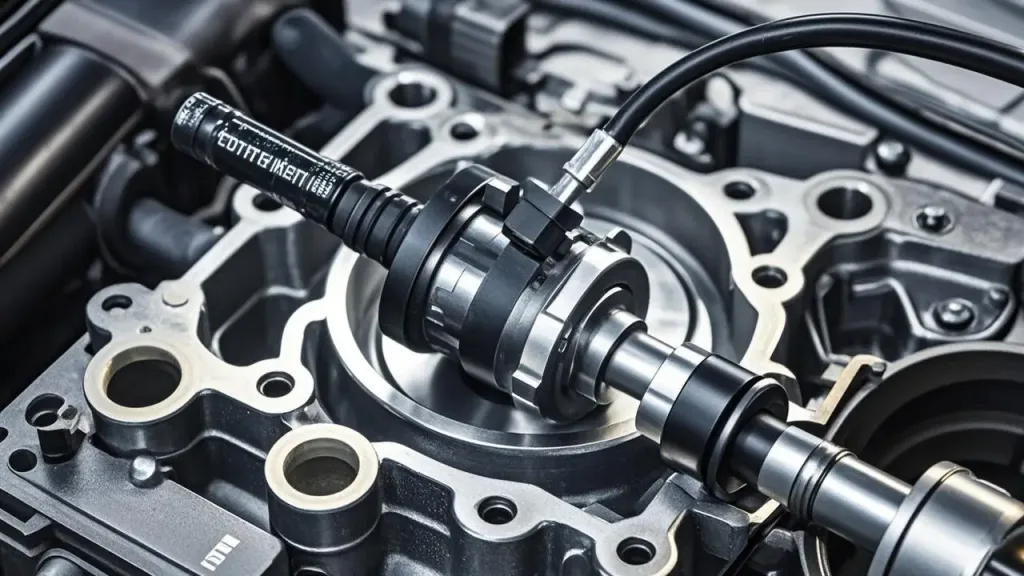
The crankshaft position sensor is an electronic device that monitors the position and rotational speed of the crankshaft. It sends this information to the engine control unit (ECU), which uses the data to manage fuel injection, ignition timing, and other critical engine functions. Essentially, the sensor helps the engine run smoothly and efficiently by ensuring that everything is perfectly timed.
Types of Crankshaft Position Sensors
There are different types of crankshaft position sensors, including magnetic, Hall-effect, and optical sensors. Each type works on a slightly different principle, but all serve the same fundamental purpose: to keep the engine’s timing precise.
What Does a Crankshaft Position Sensor Do?
The crankshaft position sensor plays a vital role in the operation of your vehicle’s engine. It continuously monitors the position of the crankshaft and the speed at which it is rotating. This information is crucial for:
1. Ignition Timing
The sensor helps the ECU determine the optimal timing for spark plugs to ignite the air-fuel mixture in each cylinder. Proper ignition timing is essential for efficient combustion and engine performance.
2. Fuel Injection
The sensor also informs the ECU when to inject fuel into each cylinder. By timing the fuel injection precisely, the engine can operate more efficiently, reducing emissions and improving fuel economy.
3. Engine Synchronization
The sensor ensures that the crankshaft’s rotation is synchronized with other engine components, such as the camshaft. This synchronization is vital for maintaining the overall health of the engine.
Symptoms of a Bad Crankshaft Position Sensor
When the crankshaft position sensor fails, it can cause a variety of issues that affect your vehicle’s performance. Here are some common symptoms to watch for:
1. Check Engine Light
One of the most common signs of a bad crankshaft position sensor is the illumination of the check engine light on your dashboard. This warning light can be triggered by a variety of issues, but a faulty crankshaft position sensor is a frequent cause.
2. Engine Misfires
If the sensor isn’t working correctly, the engine may misfire because the ECU is not receiving accurate information to time the ignition properly. Misfires can cause rough idling, poor acceleration, and reduced fuel efficiency.
3. Stalling
A failing crankshaft position sensor can cause the engine to stall, especially when idling or coming to a stop. This happens because the ECU might not be able to keep the engine running smoothly without accurate data from the sensor.
4. Difficulty Starting the Engine
If the crankshaft position sensor is faulty, your engine may have trouble starting, or it may not start at all. This occurs because the ECU cannot correctly determine the position of the crankshaft, which is essential for starting the engine.
5. Reduced Engine Power
A bad crankshaft position sensor can lead to a significant reduction in engine power. You may notice that your vehicle struggles to accelerate or doesn’t perform as well as it used to.
What Causes Damage to Your Crankshaft Sensor?
Several factors can contribute to the failure of a crankshaft position sensor:
1. Heat and Vibration
The sensor is typically located near the crankshaft, where it is exposed to high temperatures and constant vibrations. Over time, these conditions can cause the sensor to wear out or fail.
2. Electrical Issues
Faulty wiring or poor electrical connections can lead to intermittent signals or complete sensor failure. Corrosion, damaged wires, or loose connections are common culprits.
3. Contamination
Oil leaks or debris can contaminate the sensor, leading to inaccurate readings or sensor failure. Ensuring that the engine is well-maintained and free of leaks can help prevent this issue.
4. Age and Wear
Like any other part of your vehicle, the crankshaft position sensor can wear out over time. The lifespan of the sensor can vary, but it typically lasts between 100,000 and 150,000 miles.
How to Diagnose a Bad Crankshaft Position Sensor?
Diagnosing a faulty crankshaft position sensor requires a combination of observation and technical tools. Here’s how you can identify the problem:
1. Use an OBD-II Scanner
The easiest way to diagnose a crankshaft position sensor issue is by using an OBD-II scanner. This tool can read the trouble codes stored in your vehicle’s ECU, which can help pinpoint the problem. If the scanner shows a code related to the crankshaft position sensor, it’s likely the cause of your issues.
2. Visual Inspection
Check the sensor and its wiring for any visible signs of damage, such as cracks, corrosion, or worn-out wires. Also, look for oil leaks or debris that might be contaminating the sensor.
3. Test the Sensor
A multimeter can be used to test the resistance of the crankshaft position sensor. If the resistance is outside the manufacturer’s specified range, the sensor may be faulty. Some mechanics may also use an oscilloscope to check the sensor’s signal in real-time.
Can You Drive With a Bad Crankshaft Position Sensor?
The short answer is that while you can drive with a bad crankshaft position sensor, it’s not recommended. Here’s why:
1. Safety Concerns
Driving with a faulty sensor can lead to unpredictable engine behavior, such as stalling or misfires, which can be dangerous, especially in heavy traffic or on highways.
2. Further Engine Damage
Ignoring a bad crankshaft position sensor can lead to more severe engine damage over time. The ECU relies on the sensor’s data to operate the engine efficiently. Without it, the engine may run too rich or too lean, causing damage to the catalytic converter, pistons, or other components.
3. Poor Performance
A bad sensor can severely impact your vehicle’s performance, leading to rough idling, poor acceleration, and reduced fuel economy. This can make driving uncomfortable and inefficient.
In summary, while your vehicle might still run with a bad crankshaft position sensor, doing so can lead to more significant issues down the road. It’s best to address the problem as soon as possible to avoid further damage and ensure your safety.
Where to Get a New Crankshaft Position Sensor for Your Vehicle
If you’ve diagnosed a faulty crankshaft position sensor, the next step is to replace it. Here’s where you can find a new sensor:
1. Auto Parts Stores
Most local auto parts stores carry crankshaft position sensors for a wide range of vehicles. You can visit the store in person or check their online inventory to find the right sensor for your vehicle.
2. Online Retailers
Online retailers like WanasignAuto offer a wide selection of crankshaft position sensors. Shopping online allows you to compare prices and read customer reviews to ensure you’re getting a quality part.
3. Dealerships
If you prefer OEM (Original Equipment Manufacturer) parts, your local dealership can provide the exact sensor designed for your vehicle. While this option might be more expensive, it ensures compatibility and quality.
4. Mechanic Shops
If you’re not comfortable replacing the sensor yourself, a mechanic can source and install the part for you. Many shops have access to a network of parts suppliers and can get the sensor quickly.
Frequently Asked Questions
1. How long does it take to replace a crankshaft position sensor?
Replacing a crankshaft position sensor usually takes about 1 to 2 hours, depending on the vehicle and the location of the sensor.
2. Is it expensive to replace a crankshaft position sensor?
The cost to replace a crankshaft position sensor typically ranges from $100 to $300, including parts and labor. Prices may vary depending on your vehicle and location.
3. Can a bad crankshaft position sensor drain your battery?
While a bad crankshaft position sensor itself doesn’t directly drain your battery, it can cause issues that might lead to increased battery usage, such as hard starting or stalling.
4. What happens if I don’t replace a bad crankshaft position sensor?
If you don’t replace a faulty crankshaft position sensor, you risk further engine damage, poor performance, and potentially unsafe driving conditions.
5. Will a bad crankshaft position sensor always trigger a check engine light?
In most cases, a faulty crankshaft position sensor will trigger the check engine light. However, some issues may cause symptoms without immediately triggering the light.
Conclusion
Driving with a bad crankshaft position sensor is not advisable due to the risks it poses to both your vehicle and your safety. If you suspect your crankshaft position sensor is failing, it’s essential to diagnose and replace it promptly. By understanding the role of this sensor, recognizing the symptoms of failure, and knowing where to find a replacement, you can keep your vehicle running smoothly and avoid more costly repairs down the road.



Add comment