

How Much Does It Cost To Replace Oil Pump?
The oil pump is a vital component in your vehicle’s engine, responsible for circulating oil to lubricate and cool moving parts. When it fails, the consequences can be severe, potentially leading to catastrophic engine damage. If you’re facing an oil pump replacement, understanding the associated costs can help you budget and make informed decisions. Below, we’ll break down the cost of replacing an oil pump, factors that influence the price, and tips to save money.
What Are the Common Reasons for Replacing an Oil Pump?
Replacing an oil pump is typically required when it begins to fail or shows signs of malfunction. Common reasons for oil pump replacement include:
- Low Oil Pressure: A failing oil pump can’t maintain the required oil pressure for engine lubrication.
- Excessive Engine Noise: Unusual knocking or ticking noises may indicate insufficient oil flow caused by a faulty pump.
- Overheating Engine: A bad oil pump can’t circulate oil effectively, leading to increased friction and heat.
- Contaminated Oil: Debris, sludge, or other contaminants can clog the pump, reducing its efficiency or causing failure.
- Age and Wear: Over time, the oil pump’s internal components can wear out, reducing performance and requiring replacement.
How Much Does It Cost to Replace an Oil Pump?
The cost to replace an oil pump varies significantly based on your vehicle’s make, model, and engine design. Here’s a general breakdown:
| Cost Component | Price Range | Details |
| Parts | $50 to $400 | The price depends on the brand, type (OEM or aftermarket), and whether the pump is a standard or high-performance model. |
| Labor | $200 to $1,200 | Labor costs depend on the engine’s complexity and accessibility of the oil pump. For example, V8 engines typically require more time than a compact 4-cylinder engine. |
| Total | $300 to $1,600 | On average, most vehicles will fall within this range, though some high-performance or luxury vehicles may cost more. |
What Are the Factors Affecting the Cost of Oil Pump Replacement?
Several variables influence the final price of an oil pump replacement:
- Vehicle Make and Model: Luxury and high-performance vehicles often have more expensive parts and labor-intensive procedures.
- Engine Complexity: If the oil pump is buried deep within the engine or integrated with other systems, labor costs will rise.
- Labor Rates: Rates vary by location, with dealerships charging more than independent repair shops.
- Additional Repairs: Other components, like the timing chain or gaskets, might also need replacement, increasing the overall cost.
- Oil Type: High-performance or synthetic oils may add to the cost if they need to be replaced during the repair.
What Are the Options for Saving on the Cost of Oil Pump Replacement?
Replacing an oil pump doesn’t have to break the bank. Here are a few tips to reduce costs:
- Choose Aftermarket Parts: High-quality aftermarket oil pumps can be more affordable than OEM parts.
- Bundle Repairs: If the oil pump is located near the timing chain or other components, consider replacing these parts simultaneously to save on labor costs.
- Shop Around: Get quotes from multiple repair shops to find the best deal without compromising quality.
- Preventative Maintenance: Regular oil changes and using the correct oil can prolong the life of your oil pump, reducing the likelihood of failure.
When Should You Replace Your Oil Pump?
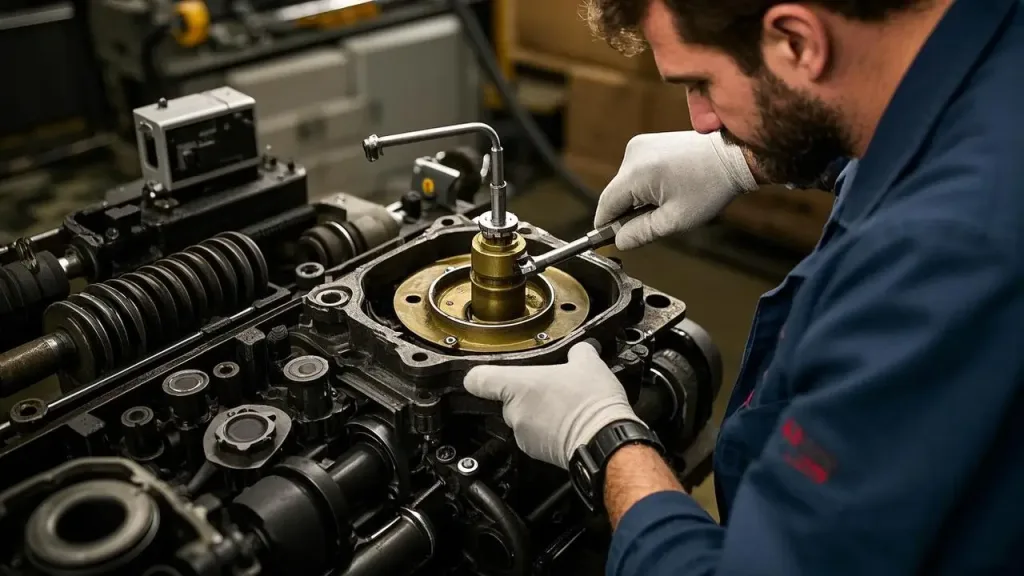
Common signs that your oil pump may need replacement include:
- Low Oil Pressure Warning Light: A failing oil pump can’t maintain the required pressure for proper lubrication.
- Engine Overheating: Insufficient oil circulation can lead to overheating.
- Unusual Noises: A whining or ticking noise from the engine may indicate an oil pump issue.
- Dirty Oil: Contaminated or sludgy oil can damage the pump, causing it to fail.
If you notice any of these signs, consult a professional mechanic immediately. Driving with a failing oil pump can result in significant engine damage.
Is It Worth Replacing the Oil Pump?
Yes, replacing a faulty oil pump is essential for maintaining engine health. Without a functioning oil pump, your engine’s moving parts will wear out quickly due to friction and heat. Investing in a replacement pump can prevent costly damage and ensure your vehicle runs smoothly for years to come.
Can I Carry Out an Oil Pump Replacement Myself?
Oil pump replacement is a labor-intensive job that requires advanced mechanical skills and tools. While experienced DIY mechanics may attempt it, it’s not recommended for beginners. The process often involves removing major engine components, such as the oil pan or timing chain, making it a challenging repair.
If you decide to replace the oil pump yourself, ensure you have the proper tools, a repair manual specific to your vehicle, and ample time to complete the job. For most drivers, however, it’s best to leave this task to a professional mechanic.
Do I Need to Book an Oil Change?
Yes, oil pump replacement typically requires draining the engine oil. After the pump is installed, fresh oil is added to ensure the engine runs smoothly. This means you’ll essentially get an oil change as part of the repair.
Can You Drive With a Bad Oil Pump?
Driving with a bad oil pump is risky and can lead to severe engine damage. A faulty pump cannot properly lubricate or cool the engine’s components, increasing friction and heat. If you suspect oil pump failure, stop driving and have the vehicle inspected by a professional mechanic immediately.
Summary
The oil pump is a critical component of your engine’s lubrication system. Replacing it can cost anywhere from $300 to $1,600, depending on your vehicle’s make and model, labor costs, and additional repairs. While it’s an investment, replacing a faulty oil pump is essential to prevent severe engine damage. If you notice signs of oil pump failure, act quickly to avoid more costly repairs.
FAQ
1. What are the symptoms of a failing oil pump?
Common symptoms include low oil pressure, engine overheating, unusual engine noises, and warning lights on the dashboard.
2. Can I drive with a failing oil pump?
No, driving with a faulty oil pump can cause catastrophic engine damage. Have it repaired as soon as possible.
3. How long does an oil pump last?
With proper maintenance, an oil pump can last over 100,000 miles, though this varies based on the vehicle and driving conditions.
4. How long does it take to replace an oil pump?
The replacement process can take anywhere from 4 to 8 hours, depending on the engine’s complexity.
5. Can regular oil changes extend the life of an oil pump?
Yes, regular oil changes and using the correct oil type help keep the oil pump clean and functioning properly.



Add comment