

How Much Does It Cost to Replace a Crankshaft?
When your vehicle’s engine starts making strange noises or loses power, it can be a cause for concern. One of the more serious issues that can arise is a problem with the crankshaft, a crucial component of your engine. If you’re facing the possibility of a crankshaft replacement, you’re probably wondering, “How much does it cost to replace a crankshaft?” This article will guide you through the details, including what a crankshaft does, why it might fail, and how much you can expect to pay for repairs or replacement.
What Is a Crankshaft?
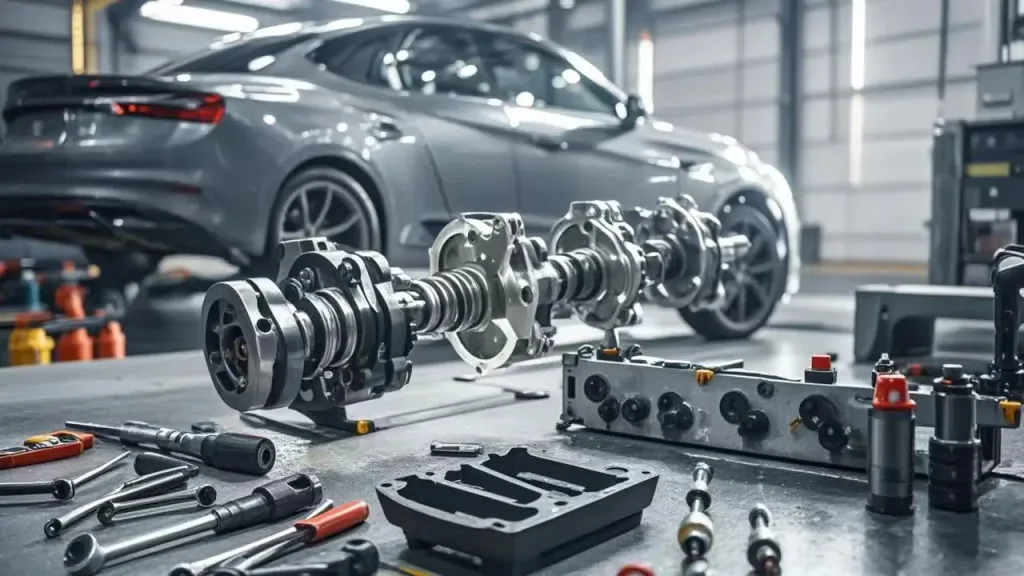
The crankshaft is one of the most vital parts of your vehicle’s engine. Essentially, it converts the linear motion of the pistons into rotational motion that drives the wheels of the car. Without it, your engine would be unable to function. The crankshaft is connected to the pistons through connecting rods and is responsible for keeping your engine running smoothly.
How the Crankshaft Works
The crankshaft operates by taking the up-and-down motion of the pistons, generated by the combustion of fuel, and turning it into a circular motion that powers the transmission and, ultimately, the wheels of your vehicle. This process is essential for maintaining the momentum of the car and ensuring that all other engine components work in harmony.
Why Do Crankshafts Fail?
Crankshaft failure is relatively rare, but when it happens, it can be catastrophic for your engine. There are several reasons why a crankshaft might fail:
1. Metal Fatigue
Over time, the crankshaft is subjected to immense stress. Constant movement, pressure, and high temperatures can lead to metal fatigue, causing cracks to form. If these cracks go unnoticed, they can lead to a complete breakage of the crankshaft.
2. Lack of Lubrication
Engine oil is essential for reducing friction between the moving parts of the engine. If there’s insufficient lubrication, the crankshaft bearings can wear out, leading to excessive heat and ultimately causing the crankshaft to seize or break.
3. Poor Maintenance
Failure to maintain your vehicle regularly can lead to crankshaft damage. Issues such as misaligned engine components, unbalanced parts, or worn-out bearings can increase the stress on the crankshaft, leading to premature failure.
4. Manufacturing Defects
In some cases, crankshaft failure can be traced back to manufacturing defects. A poorly constructed or improperly balanced crankshaft may fail earlier than expected, even under normal driving conditions.
Signs of a Bad Crankshaft
Identifying a failing crankshaft early can save you from costly repairs. Here are some signs that your crankshaft might be in trouble:
1. Engine Knocking Noises
A knocking noise from the engine is often a sign of a worn-out crankshaft or crankshaft bearings. This noise typically occurs due to excessive play or movement within the engine, causing parts to collide.
2. Oil Leaks
If you notice oil leaking from the front of your engine, it could be due to a worn-out crankshaft seal. While an oil leak alone doesn’t confirm crankshaft failure, it is a sign that something may be wrong.
3. Difficulty Starting the Engine
A failing crankshaft can cause issues with the engine timing, making it difficult to start the engine. You might notice the engine cranks slower than usual or fails to start altogether.
4. Reduced Engine Performance
If your vehicle’s engine performance has decreased significantly, it could be due to a crankshaft issue. Problems with the crankshaft can disrupt the engine’s timing and reduce overall efficiency.
What Benefits Can You Reap From Replacing a Crankshaft?
While replacing a crankshaft is an expensive and time-consuming process, it does come with several benefits:
1. Improved Engine Performance
Replacing a damaged crankshaft can restore your engine’s performance, allowing it to run smoothly and efficiently again. This can lead to better fuel economy and more reliable operation.
2. Preventing Further Damage
A failing crankshaft can cause damage to other engine components, such as the pistons, connecting rods, and bearings. By replacing the crankshaft early, you can prevent further damage and avoid more costly repairs down the line.
3. Extending the Life of Your Engine
Replacing a crankshaft can significantly extend the life of your engine. With a new crankshaft in place, your engine will be better equipped to handle the stresses of daily driving, reducing the risk of future breakdowns.
Crankshaft Repair and Replacement Cost Breakdown
The cost of repairing or replacing a crankshaft can vary widely depending on several factors, including the make and model of your vehicle, the extent of the damage, and labor costs in your area.
1. Crankshaft Replacement Costs
On average, you can expect to pay anywhere from $1,500 to $3,000 for a complete crankshaft replacement. This cost includes parts and labor, with the crankshaft itself typically costing between $400 and $800. The remaining cost is labor, which can be quite high due to the complexity of the job.
2. Crankshaft Repair Costs
If the crankshaft isn’t completely damaged, it may be possible to repair it rather than replace it. Crankshaft repair typically involves regrinding the crankshaft and replacing the bearings, which can cost between $500 and $1,000.
3. Additional Costs
In some cases, additional repairs may be necessary, such as replacing the oil pump, timing chain, or other related components. These additional costs can add $200 to $600 to your total bill.
Lowering the Cost of Crankshaft Replacement
While crankshaft replacement is expensive, there are ways to reduce the overall cost:
1. Shop Around for Quotes
Labor rates can vary significantly between mechanics and shops. It’s a good idea to get multiple quotes before committing to a repair. This can help you find the best price for the job.
2. Consider Aftermarket Parts
Using aftermarket parts instead of OEM (Original Equipment Manufacturer) parts can lower the cost of crankshaft replacement. However, be sure to choose high-quality aftermarket parts to ensure the longevity of the repair.
3. Preventative Maintenance
Regular maintenance is key to preventing crankshaft failure. Keeping up with oil changes, addressing engine issues promptly, and following your vehicle’s recommended service schedule can help you avoid costly repairs in the first place.
Ways to Cover Crankshaft Repair and Replacement Costs
Given the high cost of crankshaft repair and replacement, you might be wondering how to cover the expense. Here are some options:
1. Extended Warranties
If your vehicle is still under an extended warranty, it may cover the cost of crankshaft repair or replacement. Check the terms of your warranty to see if this is an option.
2. Insurance Coverage
Some insurance policies may cover engine repairs, including crankshaft replacement, especially if the damage was caused by an accident or other covered event. Be sure to check with your insurance provider.
3. Financing Options
Many repair shops offer financing options that allow you to pay for the repair over time. While this may increase the overall cost due to interest, it can make the repair more affordable in the short term.
4. DIY Repairs
If you have the necessary skills and tools, you may be able to save money by performing the crankshaft replacement yourself. However, this is a complex job that should only be attempted by experienced mechanics.
Conclusion
Replacing a crankshaft is no small task, and the costs can be significant. However, with proper maintenance and early detection of issues, you can reduce the likelihood of needing such a repair. If you do find yourself in need of a crankshaft replacement, understanding the costs involved and exploring your options for covering those costs can help make the process a bit less daunting. Remember, investing in your vehicle’s engine is ultimately an investment in its longevity and reliability.
Frequently Asked Questions
1. Can I drive with a bad crankshaft?
It’s not advisable to drive with a failing crankshaft. Doing so can lead to more severe engine damage and a higher repair bill.
2. How long does it take to replace a crankshaft?
Replacing a crankshaft can take anywhere from 10 to 20 hours, depending on the make and model of the vehicle and the complexity of the job.
3. Is it better to repair or replace a crankshaft?
It depends on the extent of the damage. Minor damage can often be repaired, but severe damage typically requires a full replacement.
4. Can a crankshaft be repaired at home?
While it’s possible, repairing or replacing a crankshaft at home requires significant mechanical expertise and specialized tools. It’s usually best left to professionals.
5. What happens if a crankshaft fails while driving?
If a crankshaft fails while driving, it can cause catastrophic engine failure, potentially leading to a complete loss of power and significant engine damage.



Add comment