

How Much Does It Cost to Fix a Camshaft Position Sensor
When your car’s engine starts acting up, it can feel like the beginning of a big, expensive headache. One of the lesser-known but critical components that might be causing trouble is the camshaft position sensor. In this blog, we’ll explore everything you need to know about this tiny but mighty part, including what it does, how to identify issues, and—most importantly—how much it’ll cost to fix.
What Does a Camshaft Sensor Do?
The camshaft position sensor is like the eyes and ears of your engine’s brain (the ECM or Engine Control Module). Its main job is to monitor the exact position and speed of the camshaft, which controls the opening and closing of the engine’s intake and exhaust valves.
Why does this matter? The ECM needs this information to synchronize fuel injection and ignition timing perfectly. This ensures your engine runs smoothly, efficiently, and with optimal power. Without a functioning camshaft sensor, the engine’s timing can go haywire, leading to performance issues, rough idling, or even stalling. In short, this small but crucial sensor plays a big role in keeping your engine running like a well-oiled machine.
The Top 3 Symptoms of a Bad Camshaft Position Sensor
Check Engine Light Illuminates
When the camshaft position sensor starts to fail, your vehicle’s check engine light will likely turn on. This is because the engine control module (ECM) detects inconsistent or no data from the sensor and logs a trouble code, often pointing directly to the camshaft sensor.
Engine Misfires or Stalls
A faulty camshaft sensor can disrupt the engine’s timing, causing misfires, rough idling, or sudden stalls while driving. You might also notice difficulty starting the car, as the sensor’s data is essential for proper ignition and fuel delivery.
Loss of Power and Poor Performance
When the ECM can’t accurately determine the camshaft’s position, it struggles to optimize fuel injection and ignition timing. This often results in reduced acceleration, sluggish performance, and worse fuel economy. In severe cases, your vehicle might enter “limp mode,” limiting its power to prevent further damage.
If you experience any of these symptoms, don’t ignore them! A failing camshaft position sensor can quickly escalate into bigger problems if not addressed promptly.
What Causes a Camshaft Sensor to Fail?
Several factors can lead to the failure of a camshaft position sensor. Here are the most common causes:
Wear and Tear Over Time
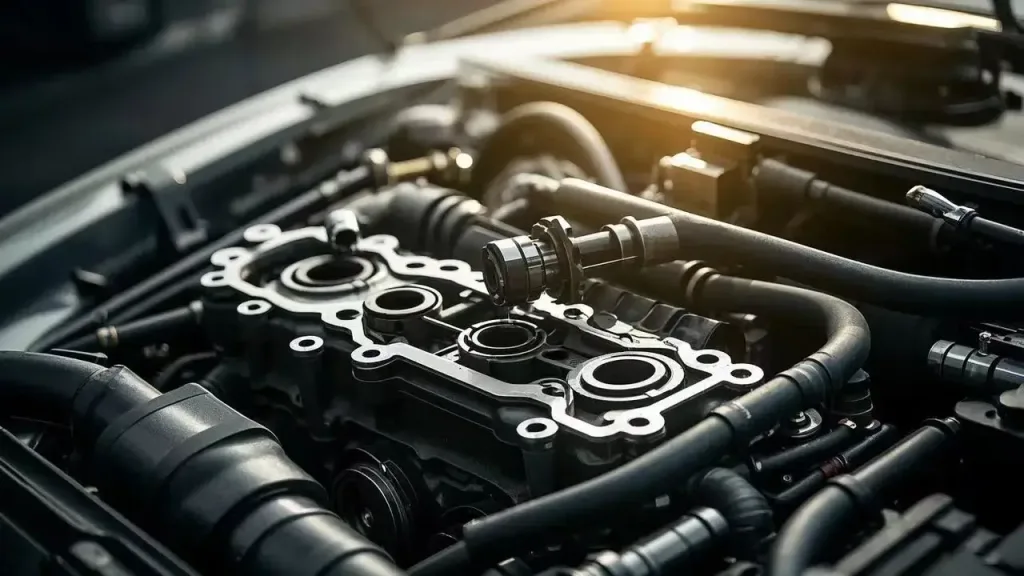
Like any other engine component, the camshaft sensor is subjected to constant heat, vibration, and general use. Over time, these factors can cause the sensor’s internal components to degrade, leading to failure.
Oil Leaks or Contamination
The camshaft sensor is often located near the engine’s camshaft or valve cover. If there’s an oil leak or buildup of dirt and debris in this area, it can contaminate the sensor, impairing its ability to function properly.
Electrical Issues
Problems such as damaged wiring, corroded connectors, or loose connections can prevent the sensor from transmitting accurate signals to the engine control module (ECM).
Extreme Temperatures
The sensor operates in a harsh environment and is exposed to extreme heat from the engine. Over time, this heat can damage the sensor’s components, especially in older vehicles.
Impact or Physical Damage
Accidents or improper handling during maintenance can physically damage the sensor, rendering it non-functional.
While a camshaft sensor isn’t typically a part that fails often, any of these factors can lead to its malfunction. Regular maintenance and timely repairs can help prevent these issues from occurring.
How to Check if a Camshaft Position Sensor is Bad
If you’re experiencing engine trouble and suspect the camshaft position sensor, here’s how to confirm whether it’s the culprit:
Use an OBD-II Scanner
Connect an OBD-II scanner to your car and check for diagnostic trouble codes (DTCs). Codes like P0340 or P0341 often point directly to a camshaft position sensor issue. This is the easiest way to narrow down the problem.
Inspect the Sensor Visually
Locate the camshaft position sensor, which is typically found near the camshaft, timing cover, or valve cover. Check for:
- Physical damage to the sensor.
- Signs of oil leaks or debris around it.
- Damaged or corroded wiring and connectors.
Test the Sensor with a Multimeter
- Disconnect the sensor from its wiring harness.
- Set your multimeter to measure resistance or voltage, depending on your vehicle’s specifications.
- With the engine cranking (or as specified in your repair manual), check for a signal. A working sensor will produce consistent readings. If there’s no signal or irregular readings, the sensor is likely faulty.
Monitor Symptoms
Pay attention to engine behavior. Issues like misfires, stalling, or rough idling—especially alongside the check engine light—can strongly suggest the sensor isn’t working correctly.
Testing the camshaft position sensor is a simple process with the right tools. If you’re not confident in diagnosing the issue yourself, a professional mechanic can help pinpoint the problem and confirm if the sensor needs replacing.
Steps to change a camshaft position sensor
Replacing a camshaft position sensor is a relatively simple task that most DIYers can handle with basic tools. Here’s a step-by-step guide:
Locate the Sensor
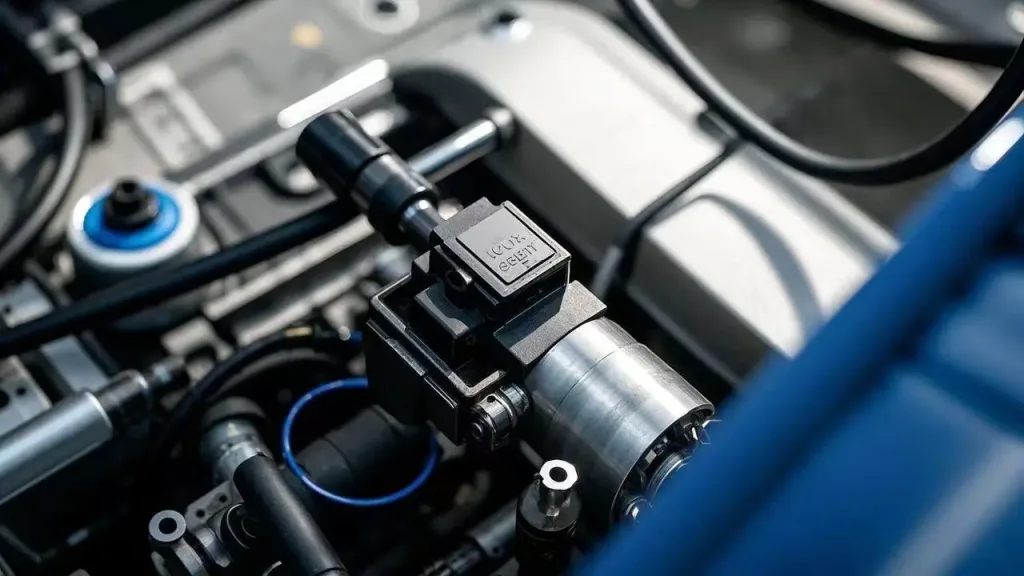
The camshaft position sensor is usually mounted near the camshaft, on the valve cover, timing cover, or cylinder head. Consult your vehicle’s repair manual for the exact location.
Disconnect the Battery
To ensure safety and prevent accidental electrical shorts, disconnect the negative terminal of your car’s battery.
Unplug the Sensor’s Connector
Locate the sensor’s electrical connector and carefully disconnect it. Check the wiring for any damage or corrosion before proceeding.
Remove the Old Sensor
- Unscrew the bolts or fasteners holding the sensor in place using the appropriate tool (often a socket wrench).
- Gently pull out the sensor. If it’s stuck, wiggle it slightly to loosen it—don’t force it out, as this could cause damage.
Install the New Sensor
- Compare the new sensor to the old one to ensure it’s an exact match.
- Insert the new sensor into place, aligning it with the mounting hole.
- Secure it with the bolts or fasteners.
Reconnect the Electrical Connector
Plug the connector back into the sensor. Ensure it’s securely attached and that the wiring is properly positioned.
Reconnect the Battery
Reattach the negative battery terminal and tighten it.
Test the Repair
Start the engine and check for proper operation. Use an OBD-II scanner to clear any trouble codes and ensure no new codes appear.
Replacing a camshaft position sensor typically takes 30 minutes to an hour and can save you significant labor costs compared to having a mechanic do the job. However, if you’re unsure about tackling this yourself, it’s always a good idea to consult a professional.
How Much Does It Cost to Replace a Camshaft Sensor?
The cost to replace a camshaft position sensor can vary depending on the make and model of your vehicle, as well as where you have the repair done. Here’s a breakdown of what you can expect:
Parts Cost
The price of a camshaft position sensor typically ranges from $50 to $150, depending on the brand and your vehicle’s specific requirements. High-end or specialized sensors may cost more.
Labor Cost
If you take your car to a mechanic, labor costs will depend on the hourly rate in your area and how long it takes to replace the sensor. Typically, labor will cost between $75 and $200, as replacing the sensor can take anywhere from 30 minutes to an hour.
Total Cost
For most vehicles, the total cost to replace a camshaft position sensor will fall between $125 and $350, including both parts and labor.
If you decide to replace the sensor yourself, you can save on labor costs, bringing the total down to just the price of the part. However, if you’re not confident in performing the repair, it’s worth paying for professional help to ensure the job is done correctly.
Can I Replace the Camshaft Position Sensor Myself?
Yes! If you’re handy with tools and can follow basic instructions, replacing this sensor can save you a decent chunk of cash. However, ensure you have access to the repair manual for your vehicle model to avoid mistakes.
Camshaft Position Sensor FAQ
Q: What happens if I don’t replace a bad camshaft position sensor?
A: Ignoring a faulty camshaft sensor can lead to engine performance issues like misfires, stalling, poor acceleration, or even complete engine failure. It can also trigger the check engine light, and if left unaddressed, it may cause further damage to the engine or other components.
Q: Can a bad camshaft position sensor cause the car to not start?
A: Yes, a bad camshaft position sensor can prevent your engine from starting. Since the sensor helps control ignition timing, a failure can disrupt this process, making it impossible for the engine to fire properly.
Q: How often should I replace the camshaft position sensor?
A: Camshaft position sensors typically last between 100,000 and 150,000 miles. However, factors such as oil leaks, electrical issues, or contamination can cause them to fail earlier, so it’s important to monitor for signs of malfunction and replace them when needed.
Q: Can I drive with a bad camshaft position sensor?
A: While it’s technically possible to drive with a faulty camshaft sensor, it’s not recommended. Driving with a bad sensor can lead to poor engine performance, reduced fuel efficiency, and potential damage to other engine components. If you notice symptoms of a failing sensor, it’s best to get it replaced as soon as possible.
Q: How do I know if it’s the camshaft position sensor or the crankshaft position sensor?
A: Both sensors are crucial for engine timing, but they track different components. A camshaft position sensor monitors the camshaft’s position, while the crankshaft position sensor tracks the crankshaft. If you’re unsure, it’s best to use an OBD-II scanner to identify which sensor is malfunctioning.
Q: Is the camshaft position sensor the same as the crankshaft position sensor?
A: No, they are different sensors with distinct roles. The camshaft position sensor monitors the position of the camshaft, while the crankshaft position sensor tracks the crankshaft. Both are essential for timing the engine’s operation, but they serve different purposes in the ignition and fuel injection process.



Add comment