
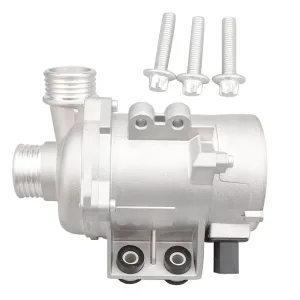
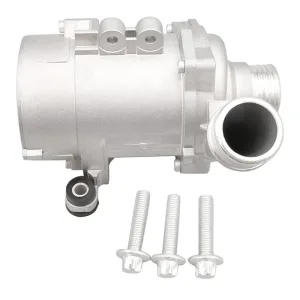
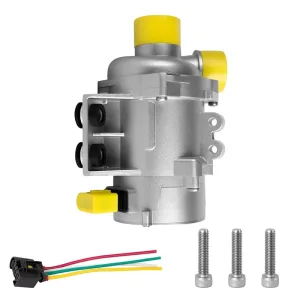
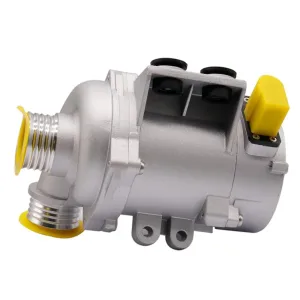
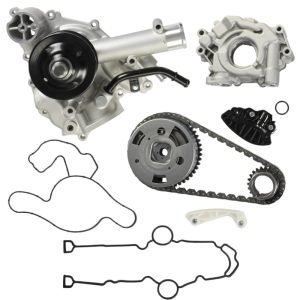
Hemi Timing Chain Kit and Oil Pump & Water Pump Set Replacement for 2009-2015 Dodge Ram 1500 2500 3500 V8 5.7L
Original price was: $210.00.$182.25Current price is: $182.25.

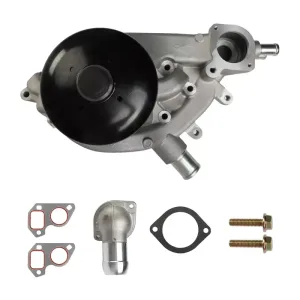
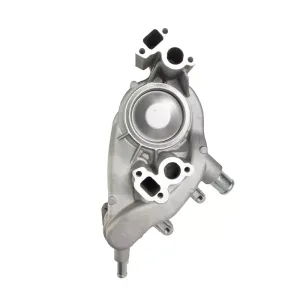
Water Pump w/ Thermostat For 07-20 Chevy Silverado GMC Sierra 4.8 5.3 6.0 6.2 V8
Original price was: $82.10.$73.89Current price is: $73.89.What are Cooling System and where is it located?
The cooling system in a vehicle or machinery is a crucial component designed to regulate the temperature of the engine and prevent it from overheating. It’s a complex network of parts that work together to dissipate the heat generated during the combustion process.
The main components of a typical cooling system include the radiator, water pump, thermostat, hoses, and coolant. The radiator is usually located at the front of the vehicle, in the engine compartment. It’s a large, finned – like component that looks a bit like a grille. The water pump is attached to the engine and is responsible for circulating the coolant. The thermostat, which is often located near the engine, controls the flow of coolant to maintain the optimal engine temperature. The hoses connect different parts of the cooling system, running between the engine, radiator, and other components.
How do I know the Cooling System needs to be replaced?
One way to tell if the cooling system needs to be replaced is through temperature problems. If your vehicle’s engine temperature gauge consistently shows that the engine is overheating or running hotter than normal, it’s a sign that there might be an issue. For example, if the coolant is leaking due to a damaged hose or a cracked radiator, the coolant level will drop and the system won’t be able to effectively cool the engine. You might also notice steam coming from under the hood, which is a clear indication of overheating caused by a malfunctioning cooling system.
Another sign is the condition of the coolant. If the coolant has become discolored, usually turning a rust – colored or milky – white hue, it could mean that there is corrosion or a leak of other fluids (such as oil into the coolant, which would result in a milky appearance). Additionally, if you notice a sweet – smelling odor, it might suggest a coolant leak. Bubbles in the coolant reservoir can also indicate a problem, perhaps a leak in the head gasket allowing combustion gases to enter the cooling system. These signs show that components of the cooling system like hoses, the radiator, or the water pump may need to be replaced to ensure the engine stays at a proper operating temperature.
Can I replace the Cooling System myself?
If you have some basic mechanical skills and the right tools, you can handle simple cooling system replacements. For example, changing a radiator hose is a task that many DIY – enthusiasts can manage. You’ll need tools like pliers and a screwdriver to loosen the clamps and remove the old hose. Then, you can install a new hose and tighten the clamps. Similarly, replacing the coolant is a relatively straightforward process. You just need to locate the drain plug, drain the old coolant, and refill with the new coolant according to the vehicle’s specifications.
However, more complex components of the cooling system, like the radiator or the water pump, can be more challenging to replace. The radiator installation requires precise fitting and connection of hoses and sometimes electrical fans. Incorrect installation may lead to coolant leaks or improper cooling. The water pump replacement often involves dealing with engine belts and precise alignment. If you’re not confident in your skills or lack the necessary experience, it’s better to seek professional help to avoid potential damage to the engine caused by an improperly installed cooling system.