

What Causes Engine Knock & How Do You Fix It?
Is your car making a strange pinging or knocking noise when you accelerate? That unsettling sound could be engine knock, a common issue that, if ignored, can lead to costly repairs. In this guide, we’ll break down what causes engine knock, how to diagnose it, and actionable steps to fix and prevent it. Let’s dive in!
What Is Engine Knock?
Engine knock (also called detonation or spark knock) occurs when fuel burns unevenly in the engine’s cylinders. Normally, the air-fuel mixture ignites in a controlled manner from the spark plug’s flame. However, in cases of engine knock, pockets of fuel-air mixture ignite spontaneously, creating multiple flame fronts. These uncontrolled mini-explosions collide, causing that distinctive knocking sound and potentially damaging engine components like pistons or cylinder walls.
What Does Engine Knock Sound Like?
Engine knock typically sounds like a metallic pinging, tapping, or knocking noise coming from the engine. The sound is most noticeable during acceleration, under load, or when climbing hills. It may start as a faint ticking but can become louder and more persistent if left unchecked.
The knocking occurs because of uncontrolled combustion inside the cylinders, where the air-fuel mixture ignites unevenly. This creates small shockwaves that produce the distinctive knocking sound.
If you hear a knocking noise from your engine, it’s important to address it quickly, as prolonged knocking can cause serious internal damage to pistons, bearings, and cylinder walls.
What Causes Engine Knock?
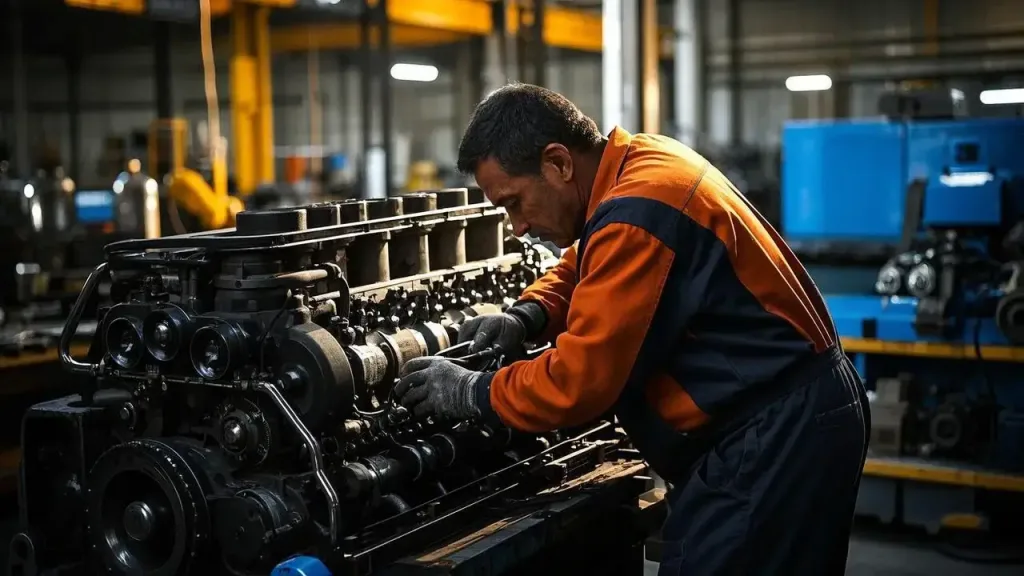
Engine knock, also known as detonation or spark knock, is a common issue that can lead to serious engine damage if left unchecked. It occurs when the air-fuel mixture in the combustion chamber ignites unevenly or prematurely, creating uncontrolled explosions. These explosions produce a knocking or pinging sound and can harm engine components like pistons, cylinder walls, and valves.
To understand how to fix engine knock, it’s essential to know its root causes. Here are the 6 most common reasons behind engine knock:
1. Low-Quality or Incorrect Octane Fuel
Engines are designed to operate with a specific fuel octane rating. Using fuel with too low of an octane level can cause premature ignition, leading to knocking. If your engine requires premium fuel, using regular gas may result in knocking under load.
2. Lean Air-Fuel Mixture
When there is too much air and not enough fuel in the combustion chamber, the mixture burns hotter than intended, increasing the risk of detonation. This can be caused by a malfunctioning fuel injector, vacuum leaks, a failing oxygen sensor, or a weak fuel pump.
3. Carbon Deposits in the Combustion Chamber
Over time, carbon buildup can form on pistons, cylinder walls, and valves. These deposits increase compression and create hot spots inside the combustion chamber, which can ignite fuel prematurely and cause knocking.
4. Faulty Spark Plugs or Incorrect Timing
Using the wrong type of spark plugs or having incorrect ignition timing can cause combustion to occur too early or too late, resulting in knocking. Worn-out spark plugs can also misfire, leading to incomplete combustion and knocking noises.
5. Overheating Engine
Excessive engine temperature can cause the fuel mixture to ignite before the spark plug fires, resulting in knocking. Overheating may be due to low coolant levels, a malfunctioning thermostat, or a failing radiator.
6. Worn or Damaged Engine Components
Engine bearings, pistons, or connecting rods that are worn or damaged can create knocking noises. Unlike detonation-related knocking, these mechanical issues often produce a deeper, more rhythmic knocking sound that worsens over time.
How to Fix Engine Knock
If you hear knocking sounds from your engine, it’s important to address the issue quickly to prevent serious damage. Here are the best ways to fix engine knock:
1. Use the Right Fuel
If your vehicle requires premium fuel, make sure you’re using the correct octane rating. If you accidentally filled up with low-octane fuel, try adding an octane booster or switching to higher-octane gasoline at your next fill-up.
2. Check and Replace Spark Plugs
Old, worn-out, or incorrect spark plugs can cause misfires and knocking. Check your owner’s manual for the recommended spark plug type and replace them if necessary. Also, ensure the spark plug gap is correctly set.
3. Adjust Ignition Timing
If your vehicle allows manual ignition timing adjustments, check to ensure the timing isn’t too advanced, as this can lead to early detonation. Modern vehicles with electronic ignition systems may require a software update or ECU reprogramming.
4. Clean Carbon Deposits
Carbon buildup inside the combustion chamber can create hot spots that cause premature ignition. Using a fuel system cleaner or performing a professional engine carbon cleaning can help remove deposits and restore proper combustion.
5. Inspect and Maintain the Cooling System
Overheating can contribute to engine knock. Make sure your coolant levels are adequate, and inspect the radiator, thermostat, and water pump for any issues. Replacing old coolant and keeping the cooling system in good condition can prevent overheating-related knock.
6. Fix Fuel Delivery Issues
A lean air-fuel mixture can cause knocking, so check for faulty fuel injectors, a weak fuel pump, clogged fuel filters, or vacuum leaks. If needed, a professional diagnostic scan can help identify fuel system problems.
7. Check for Mechanical Damage
If the knocking persists even after addressing fuel and ignition issues, internal engine damage could be the cause. Worn bearings, pistons, or connecting rods may produce a knocking sound. In such cases, a professional engine inspection is recommended.
How to Prevent Engine Knocking
Preventative maintenance is key to avoiding engine knock. Here’s what you can do:
✔ Use the Correct Fuel – Always use the recommended octane rating.
✔ Keep Up with Regular Maintenance – Replace spark plugs, air filters, and fuel filters as recommended.
✔ Clean the Combustion Chamber – Use quality fuel and periodic fuel system cleaners to prevent carbon buildup.
✔ Monitor Engine Temperature – Ensure your cooling system is in good condition.
✔ Check for Warning Signs – Address unusual noises, performance drops, or engine misfires immediately.
FAQs About Engine Knock
Q: Can engine knock damage my engine?
A: Yes. If left unchecked, engine knock can damage pistons, cylinder walls, and bearings, leading to costly repairs.
Q: Is engine knock always caused by bad fuel?
A: Not always. While low-octane fuel is a common cause, issues like carbon buildup, incorrect timing, or overheating can also cause knocking.
Q: Will using an octane booster help with engine knock?
A: If the knock is caused by low-octane fuel, an octane booster may help. However, it won’t fix mechanical or fuel delivery issues.
Q: Can I drive with a knocking engine?
A: It’s not recommended. Driving with engine knock can cause severe internal damage. Diagnose and fix the issue as soon as possible.
Conclusion
Engine knock is a serious problem that can lead to costly engine damage if ignored. Understanding the causes—whether it’s low-octane fuel, carbon buildup, incorrect timing, or overheating—can help you take preventive measures. By following proper maintenance practices and using quality fuel, you can keep your engine running smoothly and avoid the dreaded knocking sound.
If you hear engine knock, don’t wait—diagnose and fix the issue before it leads to more significant engine problems!



Add comment