

How to Tell if Timing Belt Tensioner is Bad?
Your car’s timing belt tensioner is like a silent guardian of your engine. It keeps the timing belt in check, ensuring your engine components run in harmony. But when it starts to fail, it can lead to chaos under the hood. If you’re wondering how to identify a bad timing belt tensioner and what to do about it, you’re in the right place. Let’s break it down step by step.
What Does a Timing Belt Tensioner Do?
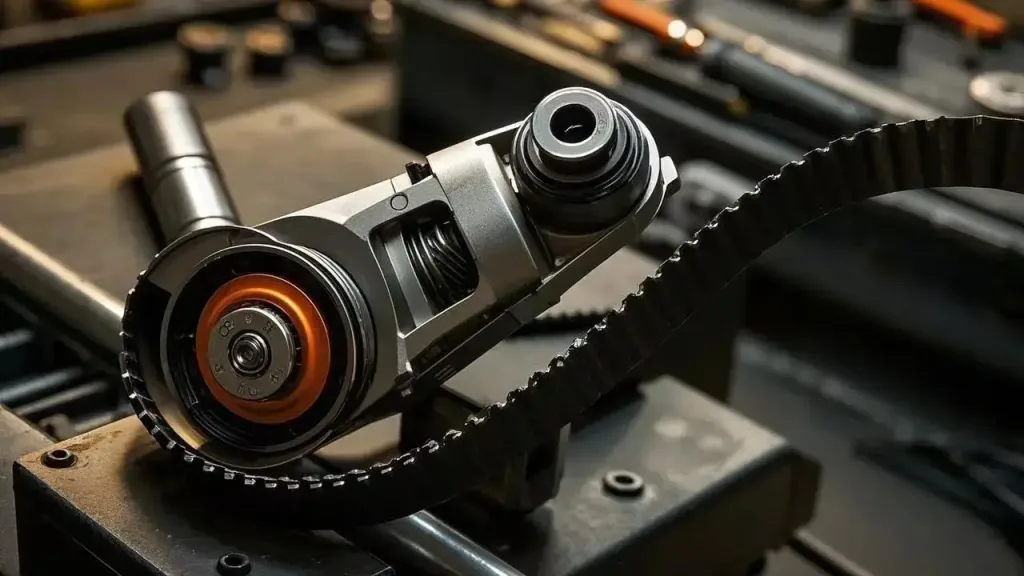
The timing belt tensioner ensures your timing belt stays taut and aligned, maintaining precise synchronization between the crankshaft and camshaft. These parts must work in harmony to control the opening and closing of engine valves and pistons.
Here’s a simple analogy: Think of the tensioner as a referee in a relay race. It keeps everything on track. If the referee slacks off (or the tensioner malfunctions), the race turns into chaos.
A properly functioning tensioner:
- Prevents the timing belt from slipping or becoming loose.
- Reduces wear and tear on the belt.
- Extends the life of your engine components.
Without it, your engine could misfire, overheat, or worse, suffer catastrophic damage.
Signs of Timing Belt Tensioner Failure
When your timing belt tensioner starts to fail, your car usually sends out warning signs. Paying attention to these early symptoms can save you from a costly repair down the road. Let’s take a closer look at the most common signs of a bad timing belt tensioner.
1. Unusual Engine Noises
One of the first signs of a failing tensioner is strange noises coming from your engine. These can range from rattling, chirping, or squeaking sounds to an unsettling knocking noise.
- Rattling or knocking: If the tensioner loses its ability to keep the belt taut, the belt may vibrate, causing a rattling or knocking noise under the hood. This is particularly noticeable when the car is idling.
- Squeaking or chirping: These high-pitched noises often occur when the tensioner’s pulley bearings are wearing out or when the belt slips due to inadequate tension.
These sounds may worsen as you accelerate or when the engine is under load, like climbing a hill or carrying heavy cargo.
2. Engine Misfires or Poor Performance
A loose or malfunctioning tensioner can cause the timing belt to slip. When this happens, the synchronization between the engine’s camshaft and crankshaft is thrown off, leading to:
- Engine misfires: Your engine may feel jerky or rough while driving, especially at low speeds.
- Poor acceleration: A slipping timing belt can disrupt valve timing, reducing power output.
- Unsteady idling: If the engine feels like it’s sputtering or struggling to maintain a steady rhythm when idling, the tensioner may be at fault.
Misfires and poor performance are serious issues that can damage internal engine components if left unchecked.
3. Visible Damage to the Timing Belt
Inspecting your timing belt can give you clues about the tensioner’s condition. If the tensioner isn’t functioning correctly, the belt may show signs of:
- Cracking or fraying: The edges of the belt may appear worn or torn.
- Glazing: A shiny, smooth surface on the belt often indicates it’s slipping.
- Looseness or slack: A visibly loose belt suggests the tensioner is no longer keeping it tight.
If you notice any of these issues, it’s time to act quickly. A damaged timing belt is a ticking time bomb for your engine.
4. Oil Leaks Around the Timing Cover
If your car has a hydraulic tensioner, it relies on oil pressure to maintain proper belt tension. When the tensioner starts to fail, it may develop an oil leak.
- Look for oil dripping from the timing cover or pooling beneath your car.
- Check for oil splatter on the timing belt itself, as this can accelerate wear and tear.
Oil leaks not only harm the tensioner but can also degrade the belt, making the problem worse.
5. Check Engine Light Turns On
Modern vehicles are equipped with sensors that monitor various engine components. If the timing belt or tensioner isn’t working correctly, the Check Engine Light may illuminate on your dashboard.
- This warning light could indicate timing issues caused by the tensioner’s failure.
- While it doesn’t always confirm a bad tensioner, it’s a signal that something isn’t right under the hood.
A diagnostic scan using an OBD-II reader can help pinpoint the issue. If the scan reports timing-related error codes (e.g., P0340 for camshaft position sensor malfunction), it could mean the tensioner is failing.
6. Sudden Engine Stalling or Failure
In extreme cases, a completely failed tensioner can cause the timing belt to come off or snap. This results in:
- Engine stalling: The car may suddenly shut off while driving, leaving you stranded.
- Engine failure: If the timing belt breaks, it can cause catastrophic damage, particularly in interference engines where the pistons and valves can collide.
If your car stalls unexpectedly or refuses to start, a bad tensioner could be the culprit.
7. Increased Vibrations or Noises During Acceleration
Another sign of a failing tensioner is excessive vibrations or noise during acceleration. This happens when the timing belt becomes misaligned or starts slipping due to inadequate tension.
- You might feel the engine vibrating abnormally, especially when revving up.
- The noise may intensify as you speed up, creating an unsettling driving experience.
8. Irregular Timing Belt Movement
A malfunctioning tensioner can cause the timing belt to move irregularly. You may notice:
- The belt appearing to “jump” or wobble when the engine is running.
- Misalignment of the belt on the pulleys.
Such movement puts additional strain on the belt and increases the risk of it snapping.
9. Overheating Engine
A slipping or loose timing belt can disrupt the cooling system, leading to an overheating engine. The water pump, often driven by the timing belt, may not function correctly if the belt isn’t under proper tension.
Watch for warning signs like:
- Rising temperature gauge readings.
- Steam coming from under the hood.
An overheating engine is a serious problem that requires immediate attention.
Causes of Timing Belt Tensioner Failure
So, what leads to a failing timing belt tensioner? Let’s dig in:
1. Wear and Tear
Like any mechanical component, the tensioner won’t last forever. Over time, its springs and bearings wear out, causing it to lose tension.
2. Poor Maintenance
Skipping regular timing belt inspections or ignoring replacement intervals can strain the tensioner and reduce its lifespan.
3. Oil Contamination
Leaking engine oil can damage the tensioner and belt. This is particularly common in hydraulic tensioners.
4. Defective Manufacturing
Sometimes, tensioners fail prematurely due to poor design or materials. If your car is relatively new and the tensioner is already acting up, this could be the case.
How To Check the Timing Belt Tensioner
Not sure if your tensioner is bad? Follow these steps to diagnose the issue:

Step 1: Listen to the Engine
Start your car and listen for unusual noises. If you hear rattling or squealing, the tensioner might be the culprit.
Step 2: Inspect the Belt
Check the timing belt for signs of wear, like cracks, looseness, or misalignment. A loose or misaligned belt often points to a failing tensioner.
Step 3: Test Belt Tension
- Apply light pressure to the timing belt using your fingers or a small tool.
- If the belt feels too loose or too tight, the tensioner may need replacement.
Step 4: Look for Oil Leaks
Inspect the tensioner and surrounding area for oil leaks. Hydraulic tensioners are prone to this issue.
Step 5: Consult a Professional
If you’re unsure about the diagnosis, visit a mechanic. A professional can use specialized tools to confirm if the tensioner is failing.
Consequences of Ignoring a Faulty Tensioner
Ignoring a bad timing belt tensioner is like playing Jenga with your engine—it’s a disaster waiting to happen.
1. Engine Timing Issues
A loose timing belt can cause misfires, reduced power, and poor fuel efficiency.
2. Belt Breakage
If the timing belt snaps, it can lead to catastrophic engine damage, especially in interference engines. Pistons and valves may collide, resulting in costly repairs.
3. Increased Repair Costs
What starts as a $200-$500 repair for a new tensioner could spiral into thousands of dollars if the engine gets damaged.
When and How to Replace a Timing Belt Tensioner
The timing belt tensioner is one of those parts you don’t think about until it starts causing trouble. However, replacing it at the right time can save you from costly engine repairs. Here’s a detailed guide on when and how to replace a timing belt tensioner, whether you’re a DIY enthusiast or prefer to visit a mechanic.
When Should You Replace the Timing Belt Tensioner?
Timing belt tensioners are typically replaced alongside the timing belt. Why? Because they work as a team. If one fails, the other usually follows suit, and replacing both at the same time saves you the labor cost of tearing into the engine twice.
Here’s when you should replace your timing belt tensioner:
Mileage-Based Replacement
Most manufacturers recommend replacing the timing belt and tensioner every 60,000 to 100,000 miles, depending on your vehicle’s make and model. Check your owner’s manual for the exact replacement interval.
When You Notice Symptoms
If you notice signs of a bad tensioner—like unusual noises, engine misfires, or visible belt wear—it’s time to act. Delaying replacement could lead to catastrophic engine failure.
As Part of Regular Maintenance
Even if you haven’t hit the mileage milestone, replacing the tensioner during other major engine work (like replacing the water pump) is a good idea.
Pro Tip: Always replace the tensioner and timing belt together. It’s a package deal that ensures long-term reliability.
How to Replace a Timing Belt Tensioner
Replacing a timing belt tensioner is not a task to take lightly. It requires mechanical skill, patience, and the right tools. Here’s an overview of the process:
Step 1: Gather Tools and Supplies
Before starting, make sure you have the necessary tools and parts:
- New timing belt tensioner (and timing belt if required).
- Socket and wrench set.
- Torque wrench.
- Screwdrivers and pliers.
- Jack and jack stands.
- Replacement water pump (optional, if driven by the timing belt).
Step 2: Disconnect the Battery
- Start by disconnecting the negative terminal of the battery to prevent any accidental electrical shorts.
Step 3: Remove Engine Covers and Accessories
- Remove any engine components blocking access to the timing belt cover, such as the serpentine belt, engine mounts, or pulleys.
- Take off the timing belt cover to expose the timing belt and tensioner.
Step 4: Align the Engine Timing Marks
- Rotate the crankshaft (using a wrench) to align the engine’s timing marks. This ensures the pistons and valves are in the correct position during installation.
Step 5: Remove the Timing Belt and Tensioner
- Loosen the tensioner to release the timing belt.
- Carefully remove the timing belt, noting its alignment on the pulleys.
- Unbolt the tensioner and remove it from the engine.
Step 6: Install the New Tensioner
- Position the new tensioner in place and secure it with bolts. Tighten them to the manufacturer’s torque specifications.
- Install the new timing belt, ensuring it is properly aligned with the timing marks.
Step 7: Adjust the Belt Tension
- Depending on the type of tensioner (manual or hydraulic), adjust the tension to ensure the belt is taut but not overly tight.
- For hydraulic tensioners, pull the pin to release the tensioner and let it apply the correct amount of pressure.
Step 8: Recheck Timing Marks
- Rotate the engine manually a few times and ensure the timing marks remain aligned. This step is crucial to prevent engine damage.
Step 9: Reassemble the Engine
- Reinstall the timing belt cover and any other components you removed, such as engine mounts and accessory belts.
Step 10: Test the Engine
- Reconnect the battery and start the engine. Listen for unusual noises and ensure the engine runs smoothly.
Where to Get a New Timing Belt Tensioner for Your Vehicle
A faulty timing belt tensioner isn’t a catastrophe, but ignoring it can lead to significant problems. You might notice reduced engine performance, unusual noises, or even difficulty starting your car. Fortunately, replacing your timing belt tensioner is quick and easy when you turn to WanasignAuto.com.
At WanasignAuto.com, you’ll find a premium selection of timing belt tensioners designed to meet or exceed OEM standards. Our platform makes it quick and easy to find the right part for your vehicle.
Timing Belt Tensioner FAQ
1. Can I Drive With a Bad Timing Belt Tensioner?
It’s not safe. A failing tensioner can cause the belt to snap, leading to severe engine damage.
2. How Much Does It Cost to Replace a Timing Belt Tensioner?
On average, replacement costs range from $200 to $500, including parts and labor.
3. How Long Does a Timing Belt Tensioner Last?
Typically, it lasts as long as the timing belt—60,000 to 100,000 miles.
4. Do I Need to Replace the Tensioner When Replacing the Timing Belt?
Yes. Replacing them together ensures reliability and prevents future issues.
5. What Happens If the Timing Belt Snaps?
If the belt snaps, your engine could suffer severe internal damage, potentially requiring a full rebuild or replacement.
Conclusion
Your timing belt tensioner may be a small component, but it plays a big role in your engine’s health. Recognizing the signs of failure and addressing them promptly can save you from costly repairs and breakdowns. Regular inspections and timely replacements will keep your engine running smoothly for years to come.



Add comment