

What are the most critical engine components for fuel efficiency
Fuel efficiency is a top priority for both car manufacturers and drivers. Whether you’re looking to save on fuel costs, reduce emissions, or enhance engine performance, understanding the key components that influence fuel economy is essential.
Modern engines are designed with advanced technologies that optimize fuel consumption. From the fuel injection system to thermal management, every component plays a role in ensuring your vehicle runs efficiently. In this article, we’ll explore the most critical engine components for fuel efficiency, how they work, and how proper maintenance can keep your car performing at its best.
Fuel Delivery and Combustion Efficiency
The fuel delivery system is one of the most significant factors affecting fuel efficiency. The key components include:
- Fuel Injection System – Replaces traditional carburetors by precisely injecting the right amount of fuel into the combustion chamber, ensuring better fuel atomization and complete combustion.
- Electronic Control Unit (ECU) – Optimizes fuel injection timing and adjusts the air-fuel ratio in real-time to maximize efficiency.
- Direct Injection vs. Port Injection – Direct injection provides better fuel economy by delivering fuel directly into the combustion chamber, whereas port injection mixes fuel with air before entering the cylinders.
- High-Pressure Fuel Pumps – Ensures proper fuel atomization, leading to more efficient burning and less fuel waste.
Air Intake and Optimization
The air intake system plays a crucial role in an engine’s fuel efficiency and overall performance. A well-optimized air intake system ensures the right amount of clean air enters the combustion chamber, allowing for efficient fuel combustion and improved power output. Several key components and technologies contribute to air intake efficiency.
Air Filters: Ensuring Clean and Unrestricted Airflow
The air filter is the first line of defense in the intake system. It prevents dirt, debris, and contaminants from entering the engine while allowing sufficient airflow for combustion.
✅ Clean air improves fuel combustion by maintaining an optimal air-fuel ratio.
✅ Clogged air filters reduce fuel efficiency, as the engine has to work harder to draw in air.
✅ Performance air filters offer better airflow and longevity, further optimizing efficiency.
Regular air filter replacement is a simple yet effective way to enhance fuel economy and engine performance.
Throttle Body and Mass Airflow Sensor (MAF): Regulating Air Intake
- Throttle Body: Controls the amount of air entering the engine based on accelerator input. A dirty or malfunctioning throttle body can reduce fuel efficiency by disrupting the proper air-fuel ratio.
- Mass Airflow Sensor (MAF): Measures incoming air and sends data to the ECU for precise fuel delivery adjustments. A faulty MAF sensor can cause incorrect fuel-air mixing, leading to poor mileage and reduced performance.
Keeping these components clean ensures smooth airflow regulation and better fuel economy.
Turbochargers and Superchargers: Boosting Air Intake Efficiency
Engines with turbochargers or superchargers enhance fuel efficiency by forcing more air into the combustion chamber, allowing for a better fuel burn.
✅ Turbochargers use exhaust gases to compress incoming air, increasing efficiency without extra fuel consumption.
✅ Superchargers provide immediate power gains by mechanically forcing air into the engine but can slightly impact fuel economy.
✅ Smaller turbocharged engines often achieve better fuel efficiency than larger naturally aspirated engines while delivering similar power.
Cold Air Intake Systems: Improving Combustion Efficiency
A cold air intake (CAI) system enhances performance by drawing cooler, denser air into the engine.
✅ Cooler air contains more oxygen, leading to more efficient combustion and improved fuel economy.
✅ Upgraded cold air intakes can slightly improve miles per gallon (MPG) and throttle response.
Variable Intake Manifolds: Adapting to Driving Conditions
Some modern engines use variable intake manifolds, which adjust airflow based on engine speed.
- At low RPMs: Longer air pathways improve fuel efficiency and torque.
- At high RPMs: Shorter pathways increase airflow for better power output.
This adaptive air intake technology balances performance and fuel economy across different driving conditions.
Engine Timing and Performance Management
Proper engine timing and performance management are crucial for fuel efficiency, power output, and emissions control. Timing refers to the precise coordination of fuel injection, air intake, valve operation, and ignition to ensure efficient combustion. Several key technologies help optimize engine timing and improve fuel economy.
Variable Valve Timing (VVT)
Modern engines use Variable Valve Timing (VVT) systems to dynamically adjust the timing of intake and exhaust valves based on driving conditions. This technology:
✅ Optimizes airflow into the combustion chamber for better fuel combustion.
✅ Enhances efficiency at low RPMs and boosts power at high RPMs.
✅ Reduces fuel consumption by preventing unnecessary fuel waste.
Engines with VVT can adjust valve timing to maximize fuel efficiency during cruising and increase power when acceleration is needed.
Ignition System: Spark Plugs & Coils
The ignition system plays a critical role in ensuring efficient fuel burn. The key components include:
- Spark Plugs: Ignite the air-fuel mixture, providing power to the engine. High-quality spark plugs promote complete combustion, reducing fuel waste.
- Ignition Coils: Convert battery voltage into a high-voltage spark to ignite fuel properly. Weak or failing coils can cause incomplete combustion and poor fuel economy.
- Ignition Timing Adjustment: The ECU constantly adjusts the timing of the spark to optimize efficiency, reduce knocking, and prevent fuel wastage.
Regularly replacing spark plugs and ignition components ensures a more efficient and responsive engine.
Cylinder Deactivation Technology
To improve fuel efficiency, some modern engines use cylinder deactivation systems, which temporarily shut off some cylinders when full power is not required. This feature:
✅ Reduces fuel consumption during highway cruising or low-load conditions.
✅ Decreases engine friction and heat, improving overall efficiency.
✅ Reactivates cylinders instantly when additional power is needed.
For example, a V8 engine may switch to running on only four cylinders when cruising, significantly improving miles per gallon (MPG).
Camshaft Phasing and Advancements in Timing Control
Advanced camshaft phasing systems work alongside VVT to further optimize performance by dynamically adjusting camshaft position. Some systems use dual-independent cam phasing, allowing separate control of intake and exhaust camshafts for even better efficiency.
Additionally, modern vehicles employ electronic timing controls through the ECU, replacing traditional mechanical timing systems. These advancements ensure real-time optimization of timing parameters, reducing fuel waste and maximizing performance.
Friction Reduction and Lubrication
Reducing friction within an engine is essential for improving fuel efficiency, extending engine life, and maximizing performance. Excessive friction between moving parts causes energy loss, leading to higher fuel consumption and increased wear. Modern engines incorporate advanced materials, coatings, and lubrication technologies to minimize friction and enhance efficiency.
Low-Viscosity Engine Oils: Reducing Internal Resistance
The type of engine oil used plays a significant role in reducing friction.
✅ Low-viscosity oils (e.g., 0W-20, 5W-30) flow more easily through the engine, reducing resistance and improving fuel economy.
✅ Synthetic oils provide superior lubrication, maintain stability under extreme temperatures, and reduce wear on components.
✅ Regular oil changes ensure optimal lubrication and prevent sludge buildup that can increase friction.
Using the manufacturer-recommended oil viscosity ensures the best balance between lubrication and efficiency.
Piston Rings and Bearings: Enhancing Smooth Movement
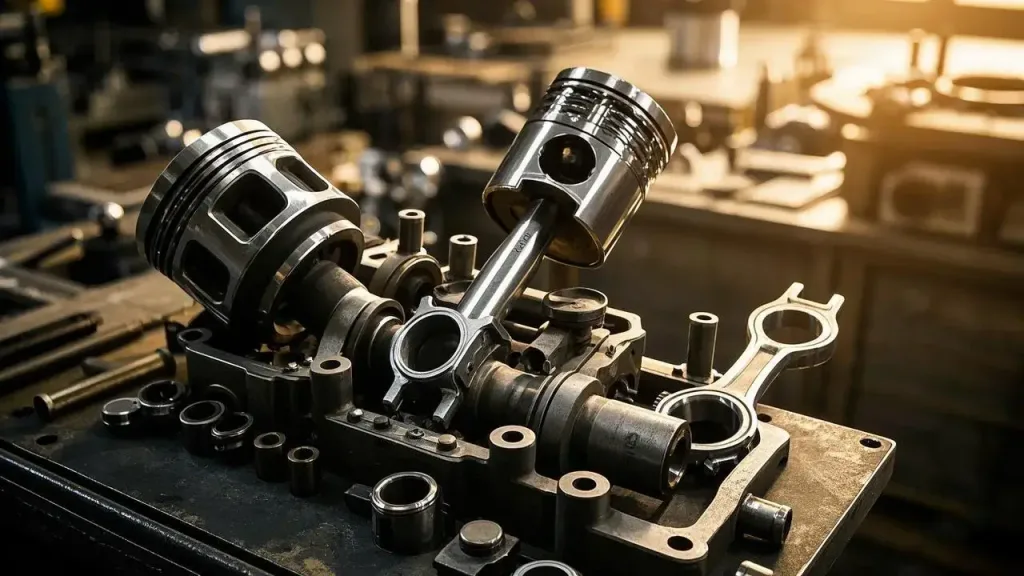
- Piston rings create a seal between the piston and cylinder wall, preventing oil and fuel leakage while reducing metal-to-metal contact. Low-friction piston rings reduce drag, leading to improved fuel efficiency.
- Engine bearings support rotating components such as the crankshaft and camshaft. Modern low-friction bearings use advanced coatings to reduce wear and improve efficiency.
Proper maintenance and high-quality materials ensure these components function smoothly, minimizing energy loss.
Advanced Coatings and Materials: Reducing Wear and Tear
Engine components are often treated with special coatings to decrease friction and enhance durability:
✅ Diamond-like carbon (DLC) coatings on camshafts, lifters, and piston skirts reduce friction and wear.
✅ Molybdenum-coated piston rings improve lubrication and reduce drag against the cylinder walls.
✅ Lightweight materials like aluminum and composites lower overall engine mass, improving efficiency.
These advancements in material science contribute significantly to fuel savings and engine longevity.
Optimized Engine Design: Reducing Internal Resistance
Modern engines are designed to reduce mechanical losses:
- Roller Rocker Arms: Replace traditional flat tappets, reducing friction in the valvetrain.
- Electric Water Pumps and Oil Pumps: Operate only when needed, decreasing parasitic engine losses.
- Start-Stop Technology: Reduces wear by shutting off the engine during idle periods, minimizing unnecessary friction.
Thermal Management for Optimal Efficiency
An engine that runs too hot or too cold can impact fuel economy. Key systems include:
- Radiator and Cooling System – Regulate engine temperature to maintain optimal combustion conditions.
- Thermostat and Water Pump – Control coolant flow, preventing overheating or excessive cooling.
- Exhaust Gas Recirculation (EGR) – Recycles exhaust gases to reduce engine temperatures and improve fuel combustion efficiency.
Exhaust and Emission Control Systems
Efficient fuel consumption also means reducing wasted energy and emissions. Important components include:
- Oxygen Sensors – Monitor exhaust gases and provide real-time feedback to the ECU for precise fuel-air mixture adjustments.
- Catalytic Converters & Exhaust Manifolds – Help break down harmful gases while optimizing backpressure for improved efficiency.
- Active Grille Shutters – Adjust airflow to reduce aerodynamic drag and improve highway fuel economy.
Advanced Technologies for Fuel Efficiency
Modern vehicles incorporate additional technologies to enhance efficiency:
- Start-Stop Systems – Automatically turn off the engine when idling, such as at traffic lights, to reduce fuel consumption.
- Hybrid and Electric Assist Technologies – Use electric power to reduce engine load and improve efficiency.
- Lightweight Engine Materials & Downsizing – Reduce overall engine weight and improve fuel economy without sacrificing performance.
Essential Maintenance Tips to Maximize Fuel Efficiency
To keep your vehicle running efficiently, follow these maintenance tips:
✅ Keep fuel injectors and sensors clean – Dirty injectors can reduce combustion efficiency.
✅ Perform regular oil and filter changes – Using the right oil reduces friction and improves engine performance.
✅ Maintain proper tire pressure and alignment – Poor alignment and underinflated tires increase rolling resistance and fuel consumption.
✅ Address check engine lights and faulty sensors – Ignoring sensor malfunctions can lead to poor fuel management.
FAQ: Fuel Efficiency and Engine Components
Q1: What is the most important engine component for fuel efficiency?
A: The fuel injection system and ECU play the most critical roles in optimizing fuel consumption by precisely controlling the air-fuel ratio.
Q2: Can using high-performance spark plugs improve fuel economy?
A: Yes, high-quality spark plugs ensure complete combustion, reducing fuel waste and improving efficiency.
Q3: Do turbocharged engines consume more fuel?
A: Not necessarily. While turbos provide more power, they can improve fuel efficiency by allowing smaller engines to perform at a higher level.
Q4: How does cylinder deactivation help save fuel?
A: It shuts down some cylinders when full power isn’t needed, reducing fuel consumption during cruising.
Q5: Can regular maintenance improve fuel efficiency?
A: Absolutely! Keeping up with maintenance such as oil changes, air filter replacements, and spark plug inspections can significantly improve fuel economy.
Conclusion
Fuel efficiency is the result of a well-designed and well-maintained engine. Key components such as the fuel injection system, air intake, timing control, and friction reduction technologies all work together to ensure optimal performance and minimal fuel waste.
By understanding how these components function and keeping up with regular maintenance, drivers can maximize their vehicle’s fuel economy, reduce emissions, and extend engine life.
If you’re looking to improve your car’s fuel efficiency, start by maintaining these critical components and considering newer technologies that enhance engine performance.



Add comment