

What Happens If a Valve Lifter Goes Bad?
Valve lifters are small but essential components within an engine’s valve train, playing a crucial role in maintaining proper valve operation. When a valve lifter goes bad, it can lead to a variety of engine problems, from annoying noises to serious performance issues. In this article, we’ll explore what happens when a valve lifter fails, the symptoms to watch out for, and how to address the issue before it leads to more significant engine damage.
What Are Lifters on a Car?
Valve lifters, also known as tappets or cam followers, are components in an engine’s valve train that translate the rotational motion of the camshaft into the linear motion needed to open and close the engine’s valves. Lifters are positioned between the camshaft and either the pushrod or the valve stem, depending on the engine design. Their primary function is to ensure that the valves open and close at the correct times, allowing for proper air-fuel mixture intake and exhaust gas expulsion.
Types of Lifters
- Solid Lifters: These are mechanical components with no internal adjustment mechanism, requiring manual adjustments for valve clearance.
- Hydraulic Lifters: Common in modern engines, these lifters use oil pressure to adjust automatically for valve clearance, reducing the need for maintenance.
- Roller Lifters: Featuring a small roller where the lifter contacts the camshaft, these lifters reduce friction and wear, often used in high-performance engines.
Advanced Lifter Technology
Modern engines increasingly rely on advanced lifter technology to enhance performance, reduce noise, and improve fuel efficiency.
Hydraulic Lifters
Hydraulic lifters have become the standard in most modern engines due to their self-adjusting capabilities. Inside a hydraulic lifter is a small piston and an oil-filled chamber. As the engine runs, oil pressure fills the chamber, allowing the lifter to adjust for valve clearance automatically. This self-adjustment helps maintain optimal valve timing, reduces wear on the valve train, and minimizes engine noise.
Roller Lifters
Roller lifters are another technological advancement designed to reduce friction and improve durability. By incorporating a small roller at the point of contact with the camshaft, these lifters minimize the wear on the camshaft lobes, allowing for more aggressive cam profiles without the risk of excessive wear.
Variable Valve Timing (VVT) Lifters
Some modern engines are equipped with Variable Valve Timing (VVT) systems, which adjust the timing of the valve operation based on engine speed and load. Lifters in VVT systems are often more complex, designed to work with the camshaft and engine control unit (ECU) to optimize performance and fuel efficiency across a range of operating conditions.
The Top 3 Bad Hydraulic Lifter Symptoms
When a hydraulic lifter goes bad, it can cause a variety of symptoms that affect your engine’s performance. Here are the top three signs that your lifters may be failing:
1. Ticking or Tapping Noises
One of the most common symptoms of a bad hydraulic lifter is a distinct ticking or tapping noise coming from the engine. This noise is often more noticeable at startup or when the engine is cold. It occurs because the lifter is not maintaining proper contact with the camshaft or valve, leading to a gap that causes the lifter to “tap” against the camshaft.
2. Poor Engine Performance
A failing lifter can disrupt the engine’s valve timing, leading to poor performance. You might notice rough idling, reduced power, misfires, or even difficulty starting the engine. These issues occur because the lifter is not properly controlling the valve’s movement, resulting in inefficient combustion.
3. Check Engine Light
A malfunctioning hydraulic lifter can trigger the check engine light, especially if it affects the valve timing or causes misfires. The engine control unit (ECU) monitors the performance of the valve train, and if it detects an issue, it will illuminate the check engine light. A diagnostic scan can help pinpoint if a bad lifter is the cause.
How Much Does a Lifter Replacement Cost?
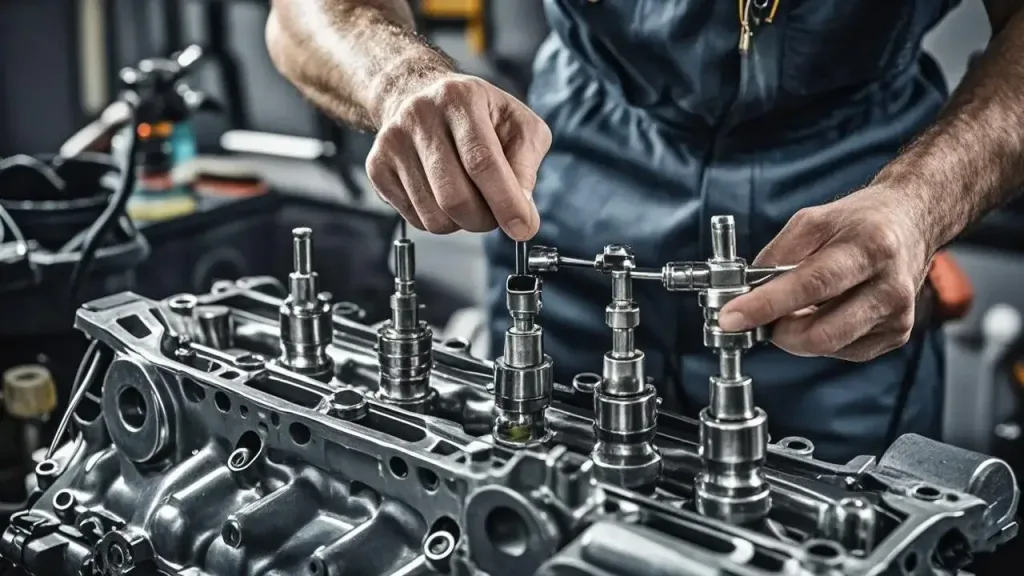
Replacing a bad valve lifter can be a significant repair, both in terms of cost and labor. The total cost of lifter replacement can vary widely depending on the make and model of your vehicle, the type of lifters used, and the extent of the labor required.
Parts Cost
The cost of the lifters themselves can range from $20 to $50 per lifter for standard hydraulic lifters. High-performance or roller lifters can cost significantly more, sometimes up to $100 or more per lifter.
Labor Cost
Labor is the most significant part of the cost when replacing lifters. Since replacing lifters typically involves removing the cylinder head or even disassembling a significant portion of the engine, labor costs can range from $500 to $1,500 or more, depending on the complexity of the job and your location.
Additional Costs
In some cases, other components, such as pushrods, rocker arms, or even the camshaft, may need to be replaced or repaired if they were damaged by the faulty lifter. These additional repairs can increase the total cost.
Is It Possible to Drive with Bad Engine Lifters?
While it’s technically possible to drive with bad engine lifters, it’s not advisable. Here’s why:
Short-Term Driving
If the lifter issue is minor, such as a slight ticking noise, you might be able to drive for a short period without immediate catastrophic damage. However, driving with a bad lifter will almost certainly lead to a decline in engine performance and efficiency.
Long-Term Risks
Continuing to drive with a bad lifter can cause significant damage to the engine. A faulty lifter can lead to improper valve operation, which can result in valve or piston damage. In extreme cases, it can even lead to complete engine failure, requiring extensive and expensive repairs.
Conclusion
If you suspect your engine lifters are going bad, it’s best to address the issue as soon as possible. Early detection and repair can prevent more serious and costly engine damage.
How Should You Fix Noisy Engine Lifters?
Noisy engine lifters can be annoying and may indicate an underlying problem. Here are some steps you can take to address the issue:
1. Check the Oil Level and Quality
Low or dirty engine oil is a common cause of noisy lifters. Check the oil level and quality, and if necessary, perform an oil change. Using high-quality oil that meets your engine’s specifications can help reduce lifter noise.
2. Add a Lifter Treatment Additive
There are several oil additives on the market designed to clean and lubricate lifters, potentially quieting noisy lifters. These additives can be a temporary fix, but they may help reduce noise caused by minor lifter issues.
3. Adjust the Valve Clearance (For Solid Lifters)
If your engine uses solid lifters, the valve clearance may need to be adjusted. Over time, the clearance can change due to wear, leading to noisy lifters. Adjusting the valve clearance to the manufacturer’s specifications can eliminate the noise.
4. Replace the Lifters
If the lifter noise persists after checking the oil and adjusting the valves, it may be time to replace the lifters. This is a more involved repair and is best handled by a professional mechanic, especially if you’re not experienced with engine work.
Lifter FAQ
Here are some frequently asked questions about valve lifters:
1. What causes lifters to go bad?
Lifters can fail due to insufficient lubrication, wear and tear, dirt or debris in the oil, or manufacturing defects. Hydraulic lifters can also fail if the internal mechanism becomes clogged or damaged.
2. Can bad lifters damage my engine?
Yes, bad lifters can cause improper valve operation, leading to poor engine performance, increased wear on the camshaft and valves, and potentially severe engine damage.
3. How long do valve lifters last?
Valve lifters are designed to last a long time, often the life of the engine, with proper maintenance. However, they can fail earlier due to poor maintenance, low oil levels, or other engine issues.
4. Can noisy lifters be fixed without replacement?
In some cases, noisy lifters can be quieted with an oil change, the use of a lifter treatment additive, or by adjusting the valve clearance. However, if the noise persists, replacement may be necessary.
5. Should I replace all lifters if one goes bad?
It’s generally recommended to replace all lifters if one fails, especially if your engine has high mileage. This ensures that all lifters are in good condition and can prevent future issues.
Where to Find the Right Lifter For Your Vehicle
When it comes time to replace your lifters, it’s important to choose the right parts for your vehicle. Here’s where you can find quality lifters:
1. OEM Parts from Dealerships
The safest option for most vehicles is to use OEM lifters, which are specifically designed to match your engine’s original specifications. These lifters are available through your vehicle’s dealership or authorized parts retailers. OEM parts guarantee that the lifters will fit perfectly and perform reliably, maintaining your engine’s factory standards.
2. Aftermarket Lifters
If you’re looking for performance upgrades or need parts for a custom engine build, aftermarket lifters are a great option. Aftermarket manufacturers, such as Wanasign Auto offer a wide range of lifters that cater to both stock replacements and high-performance applications. These lifters are often made with enhanced materials and designs to provide better durability, reduce friction, and increase engine power. It’s important to choose a reputable brand and ensure that the aftermarket lifters are compatible with your specific engine model.



Add comment