

What Are the Most Common Causes of Engine Misfires?
An engine misfire can be frustrating and even alarming, especially if you’re unsure of the cause. If your engine hesitates, vibrates, or loses power, it might be misfiring. But what causes engine misfires, and how can you fix them? This guide will explain the most common reasons for engine misfires, how to diagnose them, and how to prevent future issues.
Understanding Engine Misfires
An engine misfire is a common but serious issue that affects vehicle performance and efficiency. When one or more cylinders fail to fire correctly, it disrupts the engine’s smooth operation, leading to noticeable symptoms like shaking, hesitation, and power loss.
What Is an Engine Misfire?
An engine misfire occurs when a cylinder does not complete its combustion cycle properly. This can be due to a lack of spark, insufficient fuel, or poor air-fuel mixture. When this happens, the affected cylinder fails to generate power, causing the engine to run unevenly.
Symptoms of an Engine Misfire
If your engine is misfiring, you may notice the following signs:
- Rough Idling: The engine feels unstable or vibrates when at a stop.
- Hesitation or Stuttering: The vehicle jerks or struggles when accelerating.
- Loss of Power: The engine feels weak, making it harder to drive smoothly.
- Increased Fuel Consumption: Misfires lead to inefficient combustion, causing the engine to burn more fuel.
- Check Engine Light (CEL): Modern vehicles will detect a misfire and trigger a warning light.
Why You Shouldn’t Ignore a Misfire
While a single misfire might seem minor, ignoring it can lead to serious problems, such as:
- Damage to the Catalytic Converter: Unburned fuel can overheat and damage the exhaust system.
- Internal Engine Wear: Continuous misfires put stress on pistons, valves, and other components.
- Reduced Fuel Efficiency: An inefficient engine burns more fuel, costing you more money.
Primary Causes of Engine Misfires
An engine misfire can be caused by several issues, ranging from ignition problems to fuel delivery failures and mechanical damage. Identifying the root cause is crucial to fixing the problem and preventing further engine damage. Here are the most common causes of engine misfires:
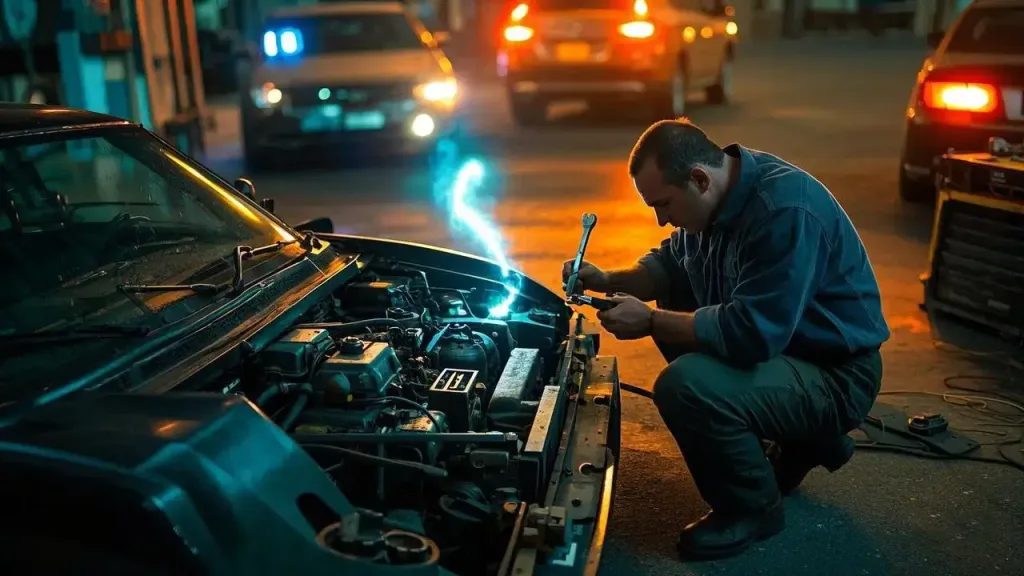
1. Faulty Ignition System Components
The ignition system is responsible for igniting the air-fuel mixture in each cylinder. If any component fails, it can lead to a misfire.
- Worn or Fouled Spark Plugs: Over time, spark plugs wear out, get dirty, or develop carbon buildup, leading to weak or inconsistent sparks.
- Failing Ignition Coils: A faulty coil won’t provide enough voltage to the spark plugs, preventing proper combustion.
- Damaged Spark Plug Wires: In vehicles with ignition wires, cracks or wear can interrupt the electrical flow, causing misfires.
- Distributor Issues (Older Vehicles): Worn distributor caps or rotors can lead to improper ignition timing, causing the engine to misfire.
2. Fuel System Malfunctions
An engine needs the correct amount of fuel to run properly. If fuel delivery is disrupted, combustion will be incomplete.
- Clogged or Failing Fuel Injectors: Dirty or malfunctioning fuel injectors may not spray fuel evenly, causing a lean or rich mixture.
- Weak Fuel Pump: A failing fuel pump reduces fuel pressure, leading to a lack of fuel in the combustion chamber.
- Faulty Fuel Pressure Regulator: If the fuel pressure is too high or too low, the engine will struggle to maintain proper combustion.
- Contaminated or Low-Quality Fuel: Water or debris in fuel can affect combustion, leading to misfires.
3. Air Intake and Vacuum Leaks
The right balance of air and fuel is essential for smooth combustion. If too much or too little air enters the system, misfires can occur.
- Vacuum Leaks: Cracked or loose vacuum hoses and intake manifold leaks can allow unmetered air into the engine, disrupting the air-fuel ratio.
- Dirty or Malfunctioning Mass Airflow (MAF) Sensor: A faulty MAF sensor can send incorrect air measurement data to the engine control unit (ECU), causing improper fuel adjustments.
- Clogged Air Filter: A severely dirty air filter restricts airflow, affecting engine performance and combustion.
4. Mechanical Engine Problems
If internal engine components are damaged or worn, misfires can occur due to compression loss or improper valve operation.
- Low Cylinder Compression: Worn piston rings, head gasket leaks, or damaged valves can reduce compression, preventing proper combustion.
- Timing Chain or Belt Issues: A stretched or broken timing belt/chain can throw off valve timing, causing misfires.
- Burnt or Stuck Valves: If the intake or exhaust valves don’t seal correctly, the cylinder will lose compression, leading to misfires.
5. Faulty Sensors and ECU Issues
Modern engines rely on electronic sensors to control ignition and fuel injection. When these fail, misfires can occur.
- Crankshaft or Camshaft Position Sensor Failure: These sensors help synchronize ignition timing. If they fail, the ECU may misfire or miscalculate timing.
- Oxygen (O2) Sensor Malfunction: A faulty O2 sensor can send incorrect fuel mixture readings, leading to improper fuel adjustments and misfires.
- Engine Control Unit (ECU) Problems: A malfunctioning ECU may send incorrect commands to fuel injectors or the ignition system, causing misfires.
6. Exhaust System Restrictions
A properly functioning exhaust system is needed for efficient engine operation. If exhaust flow is blocked, misfires can occur.
- Clogged Catalytic Converter: A failing catalytic converter can cause back pressure, reducing engine efficiency and leading to misfires.
- Exhaust Gas Recirculation (EGR) Valve Issues: A stuck-open EGR valve can introduce excess exhaust gases into the combustion chamber, affecting performance.
How to Diagnose an Engine Misfire
Diagnosing an engine misfire requires a step-by-step approach to identify the root cause accurately. Since misfires can result from various issues, it’s essential to check key engine systems, including ignition, fuel delivery, and mechanical components. Here’s how you can systematically diagnose an engine misfire:
1. Identify Symptoms and Gather Information
Before diving into diagnostics, pay attention to how the vehicle behaves. Look for these common misfire symptoms:
- Rough idling: The engine feels shaky or unstable when stopped.
- Hesitation or jerking: The car stutters when accelerating.
- Loss of power: The engine struggles to produce normal power.
- Increased fuel consumption: A misfire leads to inefficient combustion, burning more fuel.
- Check Engine Light (CEL): Most modern vehicles store error codes when a misfire occurs.
2. Use an OBD-II Scanner to Read Trouble Codes
If your vehicle has a Check Engine Light, use an OBD-II scanner to retrieve diagnostic trouble codes (DTCs).
- Common misfire-related codes: P0300 (random misfire), P0301-P0312 (cylinder-specific misfire codes).
- Additional codes: Look for codes related to fuel injection (P02XX), ignition system (P035X), or air intake issues (P010X).
- Freeze frame data: Helps determine when and under what conditions the misfire occurred.
3. Inspect the Ignition System
Since ignition problems are a common cause of misfires, start with these checks:
- Spark plugs: Remove and inspect spark plugs for wear, carbon buildup, or oil fouling. Replace if necessary.
- Ignition coils: Test ignition coils using a multimeter or swap coils between cylinders to see if the misfire follows.
- Plug wires (if applicable): Check for cracks, burns, or loose connections.
4. Examine the Fuel System
If the ignition system checks out, move on to the fuel system:
- Fuel injectors: Listen for clicking sounds with a mechanic’s stethoscope. A clogged or malfunctioning injector may cause a misfire.
- Fuel pressure: Use a fuel pressure gauge to ensure proper fuel delivery from the pump.
- Fuel quality: If bad or contaminated fuel is suspected, drain and refill with fresh gasoline.
5. Check for Air and Vacuum Leaks
Unmetered air entering the engine can throw off the air-fuel mixture, causing misfires:
- Vacuum hoses: Inspect for cracks, loose connections, or collapsed hoses.
- Intake manifold gasket: Spray carb cleaner around the intake while the engine is running—if the idle changes, you have a leak.
- Mass Airflow (MAF) sensor: A dirty or faulty MAF sensor can disrupt air readings. Clean or replace as needed.
6. Test for Low Cylinder Compression
If the previous steps don’t pinpoint the problem, a mechanical issue may be to blame:
- Perform a compression test: Use a compression gauge to check each cylinder. A significantly lower reading in one cylinder indicates possible piston ring, valve, or head gasket issues.
- Do a leak-down test: This helps pinpoint whether the loss of compression is due to a worn valve, a blown head gasket, or piston ring failure.
7. Inspect the Exhaust System
A restricted exhaust system can lead to engine misfires:
- Clogged catalytic converter: If the engine lacks power and the exhaust seems restricted, the catalytic converter may be failing.
- EGR valve issues: A stuck-open EGR valve can allow too much exhaust gas into the combustion chamber, affecting combustion.
How to Fix and Prevent Engine Misfires
Engine misfires can cause poor performance, increased fuel consumption, and potential long-term damage. Fixing a misfire requires addressing the underlying cause, while prevention involves regular maintenance to keep your engine running smoothly. Here’s how to fix and prevent engine misfires effectively.
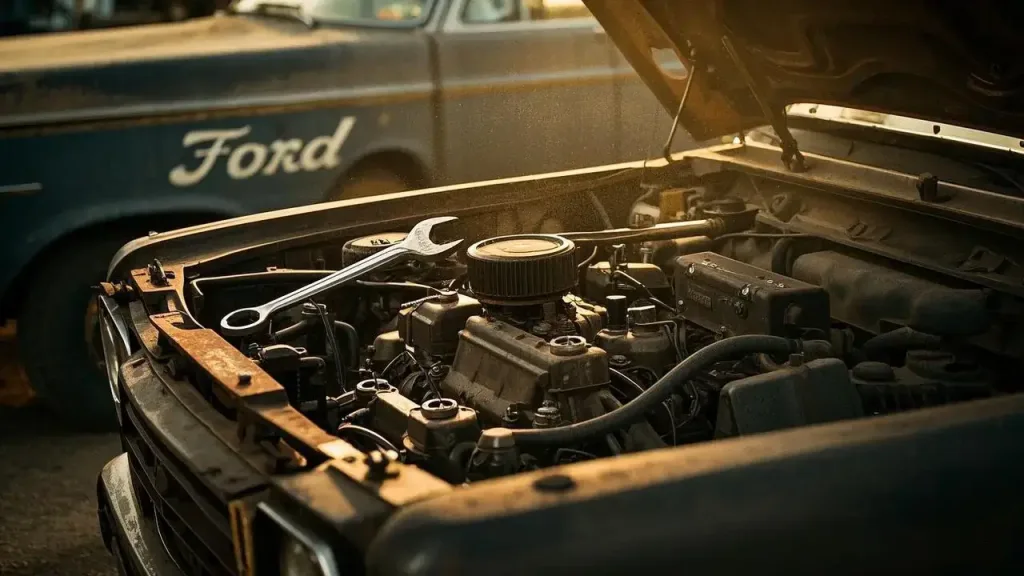
Fixing an Engine Misfire
Once you’ve diagnosed the cause of the misfire, follow these repair steps based on the identified issue:
1. Repair or Replace Faulty Ignition Components
Since ignition problems are a leading cause of misfires, start with these fixes:
- Replace worn or fouled spark plugs – If the plugs are covered in carbon, oil, or show excessive wear, install new ones with the correct gap.
- Check and replace ignition coils – A failing coil will cause weak or no spark, leading to misfires. Swap coils between cylinders to confirm failure.
- Inspect and replace spark plug wires – Damaged wires can prevent proper spark delivery.
2. Address Fuel System Issues
If the misfire is due to improper fuel delivery, take these steps:
- Clean or replace clogged fuel injectors – Use a fuel injector cleaner or replace faulty injectors to restore proper fuel spray.
- Check fuel pressure and replace a weak fuel pump – Low fuel pressure can starve cylinders of fuel.
- Replace a faulty fuel pressure regulator – Ensuring proper fuel pressure prevents lean or rich fuel mixtures that can cause misfires.
3. Fix Air and Vacuum Leaks
An improper air-fuel ratio can lead to misfires. Resolve these issues by:
- Repairing vacuum leaks – Replace cracked or disconnected vacuum hoses.
- Cleaning or replacing a dirty Mass Airflow (MAF) sensor – A faulty sensor can misread air intake, leading to incorrect fuel delivery.
- Replacing a faulty intake manifold gasket – If a leak is detected, install a new gasket.
4. Resolve Mechanical Engine Problems
If the misfire is due to internal engine damage, these fixes may be necessary:
- Repair or replace damaged valves – Burnt or stuck valves can cause compression loss.
- Fix a leaking head gasket – A head gasket failure can cause misfires by allowing coolant or oil into the cylinders.
- Replace worn piston rings – If low compression is detected, a full engine rebuild may be required.
5. Fix Exhaust System Issues
A restricted exhaust system can also lead to misfires. Consider these repairs:
- Replace a clogged catalytic converter – If the engine lacks power and the exhaust flow is restricted, a new catalytic converter may be needed.
- Clean or replace a stuck EGR valve – A faulty Exhaust Gas Recirculation (EGR) valve can allow too much exhaust gas into the combustion chamber.
Preventing Engine Misfires
Preventive maintenance is key to avoiding future misfires. Here’s how to keep your engine running smoothly:
1. Perform Regular Tune-Ups
- Replace spark plugs at the manufacturer’s recommended intervals.
- Inspect and replace ignition coils and wires as needed.
- Use high-quality fuel to prevent carbon buildup.
2. Keep the Fuel System Clean
- Use a fuel system cleaner periodically to prevent injector clogging.
- Change the fuel filter regularly to maintain proper fuel flow.
3. Check and Maintain the Air Intake System
- Replace the air filter to ensure proper airflow.
- Clean the MAF sensor to prevent incorrect air readings.
4. Monitor the Cooling System
- Keep coolant levels in check to prevent overheating, which can damage engine components.
- Inspect the head gasket for leaks before they cause major problems.
5. Scan for Trouble Codes Periodically
Even if the engine runs fine, scanning for stored trouble codes can catch small issues before they turn into major misfires.
Conclusion
Engine misfires can stem from ignition, fuel, air, or mechanical problems. Diagnosing the issue early can prevent costly repairs and engine damage. If you experience a misfire, check for common issues like spark plugs, fuel injectors, and vacuum leaks. Keeping up with routine maintenance is the best way to prevent misfires and keep your engine running smoothly.
FAQs
Q1: Can I drive my car if it’s misfiring?
Driving with a misfire is risky and can cause long-term engine damage. It’s best to fix the issue as soon as possible.
Q2: How expensive is it to fix an engine misfire?
The cost varies depending on the cause. A simple spark plug replacement might cost under $100, while major engine repairs could exceed $1,000.
Q3: What’s the difference between a random and a specific cylinder misfire?
A random misfire affects multiple cylinders and is often caused by fuel or air issues. A specific cylinder misfire means one cylinder is failing, usually due to ignition or mechanical problems.
Q4: Why does my car misfire only when accelerating?
Acceleration requires more fuel and spark. If a coil, fuel injector, or sensor is failing, the extra demand can trigger a misfire.
Q5: Can a dirty throttle body cause a misfire?
Yes, a dirty throttle body can disrupt airflow, leading to poor fuel mixture and misfires. Cleaning it can improve engine performance.



Add comment