

V6 vs. V8 Engine: What’s the Difference?
When choosing a vehicle, one of the most important factors to consider is the type of engine under the hood. Two of the most common configurations found in modern vehicles are V6 and V8 engines. But what sets them apart? In this guide, we’ll break down the differences between V6 and V8 engines, their pros and cons, and help you decide which one is best for your needs.
What Defines a V6 and V8 Engine?
The terms V6 and V8 refer to the number of cylinders in an engine and how they are arranged.
- V6 Engine – This engine has six cylinders arranged in a “V” shape, typically at a 60 or 90-degree angle. Three cylinders are positioned on each side of the “V,” creating a compact and balanced design.
- V8 Engine – A V8 engine features eight cylinders, also arranged in a “V” formation, usually at a 90-degree angle. With four cylinders on each side, a V8 provides greater power and torque compared to a V6.
The main difference between these two engines lies in power output, efficiency, and performance characteristics. While a V6 prioritizes fuel economy and a balanced drive, a V8 delivers more raw power and better towing capacity, making it a favorite for high-performance vehicles and trucks.
How Does a V6 Engine Work?
A V6 engine operates by using six cylinders to generate power through controlled combustion. The cylinders fire in a specific sequence, with three cylinders on each side of the “V” shape. The design allows for a compact size and balanced performance, making it a common choice for sedans, SUVs, and even some performance cars.
What Are the Advantages of V6 Engines?
A V6 engine offers a balance of power, efficiency, and versatility, making it a popular choice for many vehicles. Here are some key advantages:
- Better Fuel Efficiency – Compared to a V8, a V6 consumes less fuel, making it a more economical option for daily driving.
- Compact and Lightweight – The smaller size of a V6 engine reduces overall vehicle weight, improving handling and fuel economy.
- Lower Cost – Vehicles equipped with V6 engines are generally more affordable than those with V8 engines, both in terms of initial price and long-term fuel costs.
- Smooth and Balanced Performance – A well-engineered V6 provides a refined driving experience with minimal vibrations.
- Versatility – A V6 engine can be found in a variety of vehicles, including sedans, SUVs, and even some performance cars, offering a good mix of power and efficiency.
What Are the Disadvantages of V6 Engines?
While V6 engines offer a great balance of power and efficiency, they do come with some drawbacks:
- Less Power Than a V8 – A V6 engine produces less horsepower and torque compared to a V8, which can limit performance in high-demand situations like towing or racing.
- Increased Strain Under Heavy Load – Since a V6 has fewer cylinders, it may need to work harder than a V8 to achieve the same level of performance, potentially leading to more wear over time.
- Lower Towing Capacity – While capable, a V6 generally lacks the torque needed for towing heavy loads compared to a V8, making it less ideal for trucks and large SUVs used for hauling.
- Performance Limitations – Although modern V6 engines can be equipped with turbochargers to boost power, they still don’t match the raw acceleration and performance of a naturally aspirated or supercharged V8.
How Does a V8 Engine Work?
A V8 engine works in a similar way but with eight cylinders firing in sequence. The extra cylinders provide more power, making V8 engines a popular choice for trucks, muscle cars, and high-performance vehicles. The larger displacement allows for greater torque, which is essential for towing and high-speed performance.
What Are the Advantages of V8 Engines?
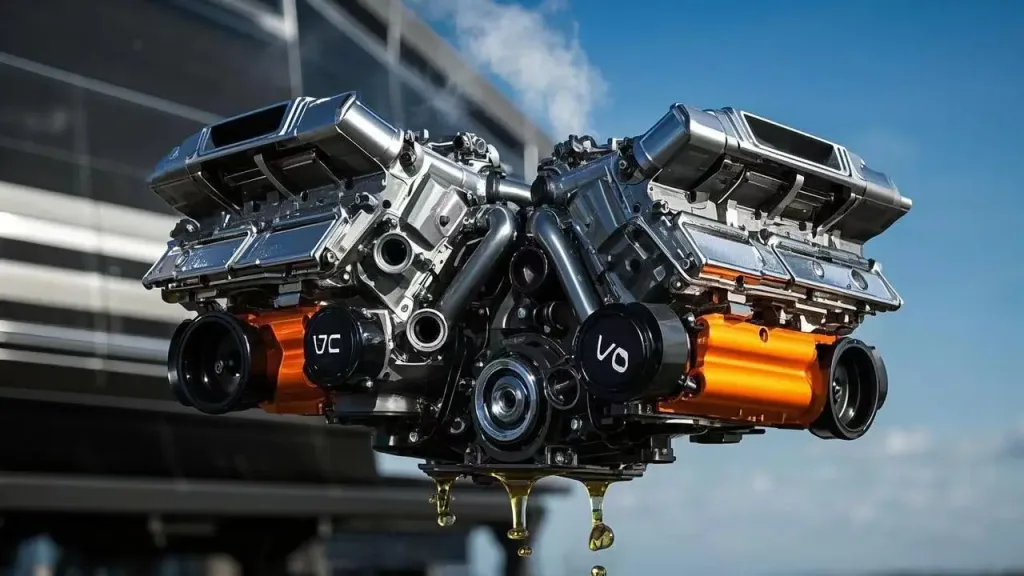
A V8 engine is known for its power, durability, and performance capabilities. Here are some key advantages:
- Higher Horsepower and Torque – With eight cylinders, a V8 engine delivers significantly more power and torque than a V6, making it ideal for high-performance vehicles and heavy-duty applications.
- Superior Towing Capacity – The increased torque output of a V8 makes it the preferred choice for towing trailers, boats, or heavy loads with ease.
- Better Performance Under Load – A V8 engine doesn’t have to work as hard as a V6 to produce the same power, reducing engine strain and increasing longevity, especially in demanding conditions.
- Iconic Sound and Driving Experience – Many car enthusiasts appreciate the deep, aggressive exhaust note of a V8, which enhances the driving experience.
- Optimized for High-Speed Performance – V8 engines provide quick acceleration and higher top speeds, making them a staple in muscle cars, sports cars, and performance trucks.
What Are the Disadvantages of V8 Engines?
While V8 engines offer impressive power and performance, they also come with some drawbacks:
- Higher Fuel Consumption – With more cylinders and greater power output, V8 engines burn more fuel, leading to lower fuel efficiency compared to V6 engines.
- Increased Vehicle Cost – Vehicles equipped with V8 engines are generally more expensive, both in terms of initial purchase price and long-term operating costs.
- Heavier Weight – The larger size and added components of a V8 increase the overall weight of a vehicle, which can impact handling and fuel economy.
- More Expensive Maintenance – V8 engines often require more oil, larger cooling systems, and potentially higher repair costs due to their complexity and increased wear on components.
- Environmental Impact – Due to higher fuel consumption and emissions, V8 engines are less environmentally friendly compared to smaller, more efficient engine options.
Key Differences Between V6 and V8 Engines
V6 and V8 engines have distinct characteristics that impact performance, efficiency, and overall driving experience. Here’s a comparison of their key differences:
| Feature | V6 Engine | V8 Engine |
| Number of Cylinders | 6 (three per bank) | 8 (four per bank) |
| Power Output | Moderate power and torque | Higher horsepower and torque |
| Fuel Efficiency | More fuel-efficient | Consumes more fuel |
| Towing Capacity | Suitable for light to moderate towing | Superior towing capability |
| Vehicle Weight | Lighter, improving handling and efficiency | Heavier, which may impact agility |
| Acceleration & Performance | Smooth and balanced performance | Faster acceleration and higher performance |
| Cost | More affordable in terms of purchase price and maintenance | More expensive to buy and maintain |
| Ideal Use Cases | Daily driving, fuel economy, and moderate performance | Heavy-duty applications, performance driving, and towing |
Which One Should You Choose?
- Choose a V6 if you want better fuel efficiency, affordability, and a balanced driving experience.
- Choose a V8 if you need more power, towing capability, and high-performance driving.
FAQs About V6 and V8 Engines
1. Is a V6 or V8 engine better for towing?
A V8 engine is better for towing because it provides more torque and power, making it easier to haul heavy loads.
2. Does a V8 engine last longer than a V6?
Engine longevity depends on maintenance, but in general, a V8 engine may last longer under heavy load conditions because it doesn’t have to work as hard as a V6.
3. Can a V6 be as fast as a V8?
Modern turbocharged V6 engines can be very fast, but a naturally aspirated V8 usually delivers more raw power and acceleration.
4. Is a V6 or V8 engine better for fuel economy?
A V6 engine is more fuel-efficient than a V8, making it a better choice for daily driving and long commutes.
5. Are V8 engines going away?
With the rise of hybrid and electric vehicles, V8 engines are becoming less common, but they still have a strong presence in performance and heavy-duty vehicles.
Conclusion
When choosing between a V6 and V8 engine, it comes down to your priorities. If you want better fuel efficiency, affordability, and a balanced drive, a V6 is a great choice. If you need more power, towing capability, and high-performance driving, then a V8 engine is the way to go.
No matter which engine you choose, proper maintenance is key to keeping it running efficiently. Whether you drive a V6 or V8, understanding how your engine works will help you make the most of its performance.


Add comment