
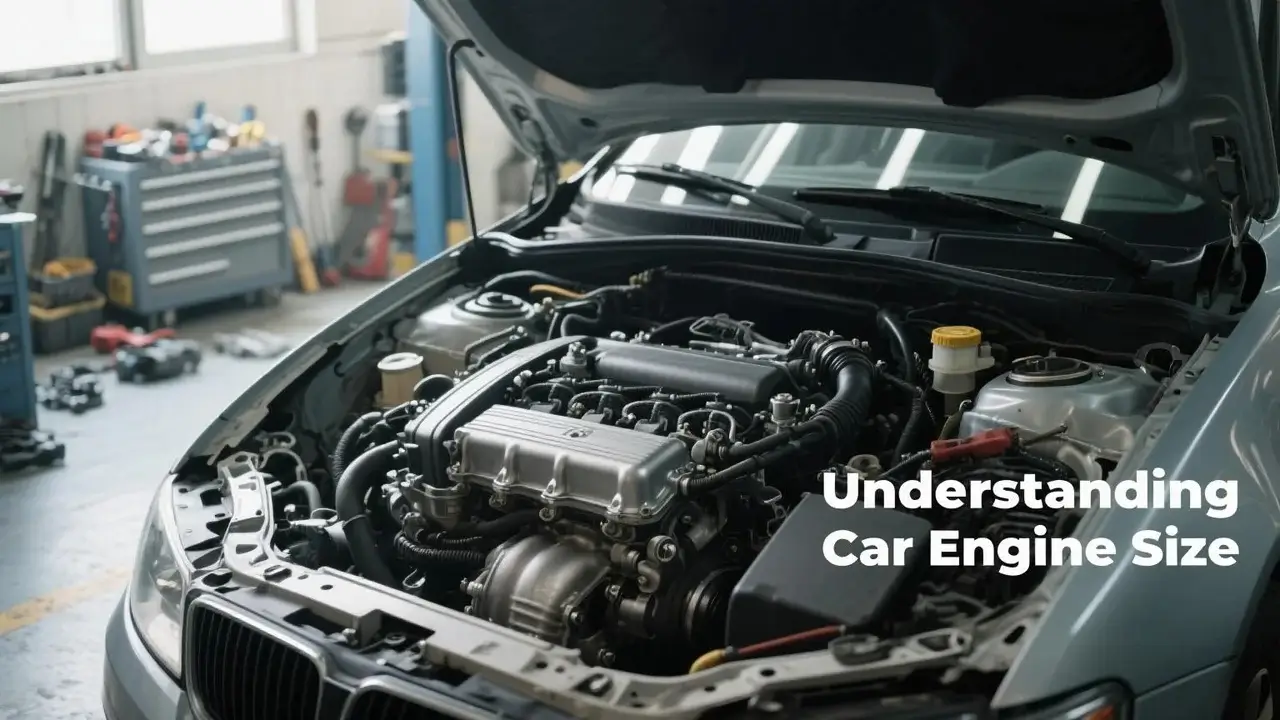
Understanding Car Engine Size
When buying a car or learning about how your vehicle works, you’ll often come across the term “engine size.” But what does it really mean? And why should you care? As an engine repair specialist with years of hands-on experience, I’m here to break it down for you in a clear and practical way.
Whether you’re a first-time buyer or a DIY enthusiast, understanding engine size can help you make smarter choices when it comes to performance, fuel efficiency, and maintenance. Let’s dive in.
What is Car Engine Size?
Engine size, also known as engine displacement, refers to the total volume of all the cylinders in a vehicle’s engine. It’s typically measured in liters (L) or cubic centimeters (cc) — for example, a 2.0L engine means the engine displaces 2 liters of air and fuel during one complete engine cycle.
This volume determines how much air and fuel can enter the engine to create combustion. In simple terms, a larger engine can burn more fuel, produce more power, and generally handle heavier loads.
How Important Is Engine Size?
Engine size plays a crucial role in determining how a vehicle performs and how well it meets your driving needs. While it’s not the only factor that matters, it’s one of the first things you should consider when comparing cars.
1. Power and Acceleration
Generally, a larger engine can produce more horsepower and torque, which means better acceleration and towing capability. If you regularly drive on highways, carry heavy loads, or enjoy spirited driving, engine size becomes especially important.
2. Fuel Efficiency
Smaller engines usually consume less fuel, making them ideal for city driving and daily commuting. However, modern technologies like turbocharging and hybrid systems have blurred the lines, allowing smaller engines to deliver more power without sacrificing efficiency.
3. Vehicle Purpose
The importance of engine size also depends on what the vehicle is designed to do:
- Compact cars benefit from smaller engines for light, fuel-efficient driving.
- Family sedans and SUVs often use mid-size engines to balance performance and economy.
- Trucks and performance vehicles rely on larger engines for maximum output and durability.
4. Cost of Ownership
Engine size can affect long-term ownership costs. Bigger engines may require more fuel, oil, and higher-grade parts, potentially raising maintenance and repair expenses. On the flip side, a well-matched engine can reduce strain and last longer under the right conditions.
How Engine Size Affects Performance
Engine size has a direct impact on a vehicle’s performance, especially when it comes to power delivery, acceleration, and driving dynamics. However, with modern advancements in automotive technology, the relationship between size and performance is more complex than it used to be.
1. Power Output
Larger engines typically generate more horsepower and torque because they can burn more fuel and air in each engine cycle. This results in stronger acceleration and the ability to maintain higher speeds with less effort — a key advantage for highway driving or towing.
2. Acceleration and Speed
A bigger engine can usually deliver quicker acceleration, making the vehicle feel more responsive when you press the gas pedal. This is especially noticeable in situations like merging onto a freeway, passing other cars, or climbing steep hills.
3. Load Capacity and Towing
Vehicles with larger engines are better suited for heavy-duty tasks. If you’re towing a trailer, hauling cargo, or driving in mountainous areas, engine size becomes a major performance factor. More displacement equals more low-end torque — essential for pulling heavy loads without straining the engine.
4. Modern Tech Levels the Field
Thanks to technologies like:
- Turbocharging
- Direct fuel injection
- Variable valve timing
Smaller engines can now produce performance similar to larger engines, with better fuel efficiency. For example, a 1.5L turbocharged engine might outperform an older 2.4L engine while using less fuel and producing fewer emissions.
5. Driving Experience
Engine size can also influence how a car feels on the road. Larger engines tend to deliver smoother power at higher speeds and provide a more confident driving experience, while smaller engines may feel more agile and lightweight, especially in urban environments.
Comparing Different Engine Sizes
Engine sizes vary widely, and each has its own advantages depending on the type of vehicle and how it’s used. From compact cars to full-size trucks, the size of the engine can drastically affect performance, fuel economy, and everyday usability.
Below is a breakdown of common engine size categories and how they compare:
| Engine Size | Typical Use | Pros | Cons |
|---|---|---|---|
| 1.0L – 1.8L | City cars, subcompacts | Great fuel economy, low emissions | Less power on highways or steep roads |
| 2.0L – 3.5L | Sedans, small SUVs | Balanced performance and efficiency | Slightly higher fuel consumption |
| 3.6L and above | Trucks, muscle cars, SUVs | High power and towing capacity | More expensive to fuel and maintain |
Choosing the Right Engine Size for Your Needs
Selecting the right engine size is about more than just power — it’s about finding the perfect match for your lifestyle, driving habits, and long-term goals. Whether you’re buying a new car or evaluating a used one, understanding how engine size aligns with your needs will help you make a smarter, more satisfying choice.
1. Consider Your Driving Habits
- City Driving: If you spend most of your time in stop-and-go traffic, a small engine (1.0L–1.8L) is ideal. It offers better fuel economy, lower emissions, and is generally more affordable to run.
- Highway Commuting: For longer daily drives or frequent highway travel, a mid-size engine (2.0L–3.0L) offers a good balance of efficiency and power.
- Performance Driving or Towing: If you enjoy spirited driving, carry heavy loads, or need to tow a trailer, a larger engine (3.5L or more) or a turbocharged option will give you the extra torque and horsepower you need.
2. Think About Fuel Economy
Smaller engines typically burn less fuel, which saves money in the long run. However, if you often drive at high speeds or carry extra weight, an underpowered engine may work harder and consume more fuel — defeating the purpose. A turbocharged mid-size engine can offer a smart middle ground.
3. Evaluate Your Lifestyle and Vehicle Use
- Families: A mid-size engine is great for hauling kids and gear without sacrificing efficiency.
- Outdoor Adventurers: If you’re towing boats or camping trailers, go for a larger engine with more torque.
- Urban Dwellers: A small engine is perfect for city parking, short trips, and lower running costs.
4. Long-Term Ownership and Maintenance
Larger engines can last longer under heavy use but may cost more to maintain due to greater oil capacity, bigger parts, and more complex cooling systems. Smaller engines are easier and cheaper to service — but only if they’re not being pushed beyond their intended limits.
Pro Tip: Don’t just focus on engine size — look at engine technology (turbocharged vs. naturally aspirated), transmission type, and vehicle weight. These factors all work together to affect performance and efficiency.
Common Misconceptions About Engine Size
Many car buyers and enthusiasts believe that engine size alone determines how a vehicle performs. While engine displacement does influence power and efficiency, there are plenty of myths surrounding what engine size really means. Let’s clear up some of the most common misconceptions:
1. “Bigger Engines Are Always Better”
It’s easy to assume that a larger engine means more performance — and while that can be true, it’s not the full story. Thanks to modern engine technology, small turbocharged engines can often match or outperform larger, naturally aspirated ones. For example, a 2.0L turbo engine may offer more usable power than an older 3.5L V6.
2. “Smaller Engines Are Weak and Underpowered”
Many small engines today are built with efficiency and performance in mind. With direct injection, turbocharging, and hybrid-electric systems, even a 1.5L engine can feel punchy and responsive. In fact, small engines are often more than enough for city driving, commuting, and everyday use.
3. “Engine Size Equals Speed”
A large engine doesn’t automatically make a car fast. Speed depends on multiple factors, including horsepower-to-weight ratio, transmission type, drivetrain, aerodynamics, and how the engine delivers power. A lightweight car with a small, high-revving engine might feel quicker than a heavy vehicle with a big engine.
4. “Larger Engines Are More Reliable”
Reliability isn’t determined by size alone. A well-maintained small engine can outlast a poorly maintained large one. Reliability depends on engineering quality, maintenance, driving habits, and manufacturer reputation, not just displacement.
5. “Fuel Efficiency Only Comes From Small Engines”
While small engines tend to use less fuel, driving conditions and vehicle design play a huge role. A small engine working too hard — such as when hauling heavy loads — can burn more fuel than a larger engine operating under less stress. Similarly, hybrid systems and start-stop technology allow some mid-size engines to outperform smaller ones in fuel economy.
Don’t let outdated thinking steer your decisions. Engine size is just one part of the performance puzzle. When evaluating a vehicle or replacement engine, look at the full package: power output, engine technology, fuel economy ratings, and how the car fits your real-world needs. Whether you’re shopping for a compact commuter engine or a heavy-duty powerplant, WanasignAuto offers smart solutions built for today’s drivers.
Engine Size and Maintenance Tips
From a repair perspective, here’s how engine size can affect your maintenance schedule:
- Oil capacity: Larger engines usually require more oil, making oil changes slightly more expensive.
- Parts availability: Smaller engines often share components with more models, meaning cheaper and more accessible parts.
- Wear and tear: Bigger engines may experience more stress in stop-and-go traffic, while smaller engines might strain under heavy loads if pushed too hard.
Pro tip: Always follow your manufacturer’s service schedule, regardless of engine size.
FAQ / People Also Ask
Q: What does a 2.0L engine mean?
A: It means the engine’s total cylinder volume is 2 liters — a common size for sedans and small SUVs.
Q: Is a bigger engine always better?
A: Not necessarily. It depends on your needs, driving habits, and fuel economy preferences.
Q: How does turbocharging affect engine size?
A: Turbocharging increases power without increasing engine displacement, offering performance similar to larger engines.
Q: Does engine size affect insurance costs?
A: Yes. Larger or more powerful engines may increase insurance premiums due to higher performance and replacement cost.
Conclusion
Understanding car engine size is more than just knowing a number — it’s about how that number affects power, fuel efficiency, maintenance, and overall driving experience. Whether you’re buying a new car or learning to service your own, choosing the right engine size can make all the difference.


Add comment