

How Much Does an Engine Replacement Cost?
Replacing an auto engine is both a challenging and costly endeavor. Whether your engine has broken down entirely or you’re looking to rejuvenate an aging vehicle, it’s essential to grasp the expenses and the process involved. This article will walk you through all the key aspects of engine replacement, including the associated costs and the important considerations you should weigh before making such a major decision.
Is It Worth It to Replace an Engine?
Before diving into the costs, it’s essential to consider whether replacing your engine is the best option. The decision to replace an engine often hinges on several factors:
Vehicle Age and Value: If your car is older and has a low resale value, replacing the engine might not be financially prudent. However, if the vehicle is still in good condition and holds sentimental or practical value, replacing the engine could extend its life by many years.
Cost of Replacement vs. New Car: Compare the cost of replacing the engine with the price of purchasing a new or used vehicle. If the replacement costs are close to or exceed the value of the car, it might make more sense to invest in a new vehicle.
Condition of Other Components: If other major parts of your car, like the transmission, suspension, or brakes, are also in poor condition, replacing the engine may only be a temporary fix. In this case, it might be more cost-effective to consider a new car.
Emotional Attachment: Sometimes, the decision isn’t purely financial. If you have a strong attachment to your car, you might decide that replacing the engine is worth the cost, despite the financial implications.
How Much Does a New Engine Cost?
The cost of a new engine can vary significantly depending on the make and model of your vehicle, as well as the type of engine you choose. Here’s a breakdown:
Basic Engine Replacement: A basic four-cylinder engine replacement typically costs between $3,000 and $5,000. This is for a standard, non-performance engine.
V6 or V8 Engine Replacement: If your car has a more powerful V6 or V8 engine, the cost increases. Expect to pay anywhere from $5,000 to $7,500 for a new V6 engine and $7,500 to $10,000 for a V8 engine.
High-Performance or Luxury Engines: High-performance or luxury vehicle engines can be considerably more expensive. These engines might cost $10,000 to $20,000 or more, depending on the brand and specifications.
OEM vs. Aftermarket Engines: Original Equipment Manufacturer (OEM) engines are typically more expensive than aftermarket options. While OEM engines provide a direct replacement with guaranteed compatibility, aftermarket engines can be a more budget-friendly option.
How Much Does It Cost to Rebuild an Engine?
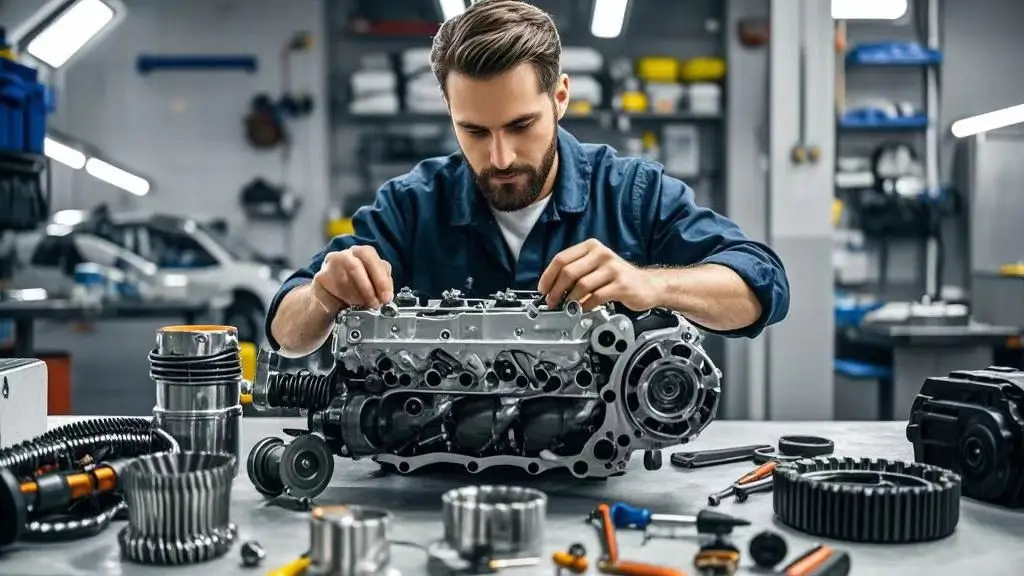
Rebuilding an engine can be a more cost-effective option than replacing it entirely. However, the costs can vary depending on the extent of the rebuild and the specific needs of your vehicle.
Average Costs: Rebuilding an engine generally costs between $2,500 and $4,000. This price includes both labor and the necessary parts to restore the engine to good working condition.
Scope of the Rebuild: The cost largely depends on the scope of the rebuild. A minor rebuild, focusing on replacing gaskets and seals, will be less expensive than a full overhaul, which might involve replacing major components like pistons, crankshafts, and camshafts.
Labor Costs: Rebuilding an engine is labor-intensive and requires specialized expertise. Labor costs can vary, but they typically make up a significant portion of the overall expense. The time required for the rebuild can range from 10 to 20 hours or more, depending on the complexity.
Longevity and Value: A properly rebuilt engine can offer the same longevity as a new one, making it a valuable investment if done correctly. Rebuilding is often a good choice if your engine has suffered wear and tear but isn’t completely beyond repair.
Rebuilding your engine can save you money while giving your vehicle a new lease on life, but it’s important to weigh the costs against the potential benefits before making a decision.
Engine Replacement Labor Costs
Labor costs can be a significant portion of the total expense when replacing an engine.
Hourly Rates: The labor rate for engine replacement varies depending on your location and the shop you choose. Rates typically range from $70 to $150 per hour.
Time Required: Replacing an engine is a time-intensive process. On average, it can take 15 to 25 hours of labor. This means that labor costs alone could range from $1,050 to $3,750.
Shop Rates vs. Dealer Rates: Dealerships often charge higher labor rates than independent shops. While dealerships provide manufacturer-trained technicians and might offer warranties on their work, independent shops can be more affordable.
Additional Services: Sometimes, additional services such as fluid replacements, gasket changes, or component upgrades are necessary during an engine replacement. These can add to the overall labor cost.
Other Engine Replacement Costs
Beyond the engine and labor, there are other costs associated with engine replacement:
Parts and Components
· Gaskets and Seals: New gaskets and seals are required to ensure that the engine is properly sealed and functions correctly. These parts generally cost between $200 and $500, depending on the engine type and vehicle model.
· Belts and Hoses: It’s often recommended to replace belts and hoses during engine replacement. The cost for these parts can range from $100 to $300.
· Fluids: New engine oil, coolant, and other essential fluids are necessary for the proper operation of the new engine. Expect to spend between $50 and $150 on these fluids.
Tools and Equipment:
If you’re considering a DIY engine replacement, you’ll need specialized tools and equipment. Renting or purchasing these can cost anywhere from $100 to $500.
Warranty Costs:
If you choose to purchase a warranty for your new or rebuilt engine, this will be an additional expense. Engine warranties can range from $200 to $1,500 depending on the coverage.
What Are the Symptoms of Engine Failure?
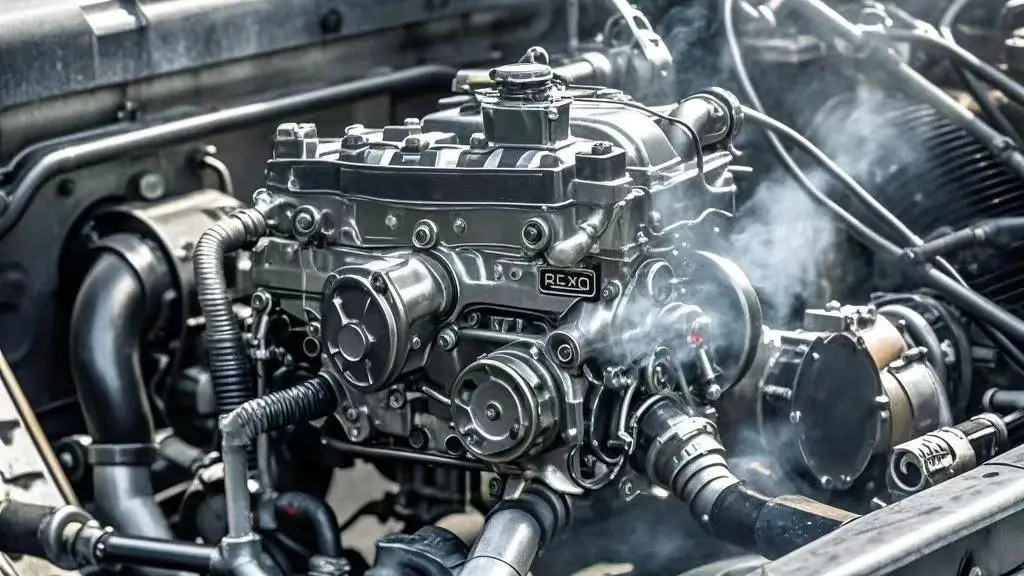
Experiencing engine failure can be a car owner’s worst nightmare. Understanding the symptoms can help you address issues before they escalate into a major problem. Here are common signs that your engine might be failing:
1. Unusual Noises
- Knocking or Tapping Sounds: These noises often indicate internal engine damage. If you hear persistent knocking or tapping, it might be a sign of a failing bearing or piston.
- Grinding or Rattling: Grinding noises can suggest that components are not properly lubricated or there might be debris in the engine.
2. Decreased Performance
- Lack of Power: If your car struggles to accelerate or maintain speed, the engine could be losing power due to internal issues.
- Rough Idling: An engine that idles roughly or shakes might be suffering from misfires or a problem with the engine’s balance.
3. Warning Lights
- Check Engine Light: This light can indicate a range of issues, including engine failure. A diagnostic scan is needed to pinpoint the exact problem.
- Oil Pressure Light: Low oil pressure can lead to engine damage. If this light comes on, check the oil level and pressure immediately.
4. Excessive Smoke
- Blue Smoke: This often means that oil is burning in the combustion chamber, which could be due to worn piston rings or valve seals.
- White Smoke: White smoke might indicate coolant entering the engine, suggesting a possible head gasket failure.
- Black Smoke: This indicates that the engine is burning too much fuel, which could be due to a faulty fuel injector or air filter.
5. Overheating
- Temperature Gauge Reading High: An overheating engine can be due to various issues like a failing water pump, radiator problems, or a stuck thermostat.
- Steam from the Engine Bay: Steam or visible coolant leakage might be a sign of overheating or a cooling system failure.
6. Oil Leaks
- Visible Oil Puddles: Leaking oil can be a sign of a damaged gasket or seal. Persistent leaks might lead to serious engine damage if not addressed.
7. Strange Vibrations
- Unusual Shaking: If you feel abnormal vibrations while driving, it might be due to a misfiring engine or damaged motor mounts.
8. Difficulty Starting the Engine
- Hard Starting: If your engine cranks but doesn’t start easily, it could be a sign of fuel delivery issues or ignition system problems.
- Engine Stalls: Frequent stalling can indicate serious issues with the engine’s performance or fuel system.
9. Poor Fuel Economy
- Increased Fuel Consumption: A sudden drop in fuel efficiency can be a result of engine problems, such as faulty sensors or fuel injectors.
10. Strange Smells
- Burning Smell: A burning odor might indicate that oil or coolant is leaking onto hot engine parts.
Does My Car Warranty Cover My Engine?
Whether your engine replacement is covered under warranty depends on several factors:
· Manufacturer Warranty: If your car is still under the manufacturer’s warranty, engine replacement might be covered, especially if the failure is due to a manufacturing defect.
· Extended Warranty: If you have an extended warranty, check the terms to see if engine replacement is covered. Some extended warranties include engine coverage, while others do not.
· Powertrain Warranty: Many new cars come with a powertrain warranty, which typically covers the engine, transmission, and drivetrain components. If your engine fails within the powertrain warranty period, it should be covered.
· Warranty Exclusions: Be aware of exclusions that might void your warranty, such as neglecting regular maintenance, using non-approved parts, or modifications that affect engine performance.
Deciding Between Repair and Replacement
Deciding between repairing or replacing your engine can be challenging. Here are some considerations to help you make the best choice:
· Cost Analysis: Compare the costs of repair versus replacement. If repair costs are close to or exceed the cost of replacement, it might be more practical to replace the engine.
· Vehicle Condition: Consider the overall condition of your vehicle. If the body, interior, and other mechanical components are in good shape, replacing the engine could be a good investment.
· Future Plans: Think about how long you plan to keep the car. If you plan to drive it for many more years, an engine replacement could be worth the cost. However, if you’re planning to sell or trade in the car soon, repairing the engine might be the better option.
· Availability of Parts: For older vehicles, finding parts for repair might be difficult or expensive. In such cases, replacing the engine with a readily available new or rebuilt one might be more straightforward.
· Time Considerations: Replacing an engine takes time, and you’ll need to consider how long you can be without your vehicle. If you need a quick fix, repairing the engine might be faster than waiting for a complete replacement.
Conclusion
Replacing an auto engine is a significant financial and logistical undertaking, but it can be a worthwhile investment if approached with careful consideration. Whether you choose to rebuild, replace, or repair your engine, understanding the costs and benefits will help you make the best decision for your vehicle and your budget.
FAQ
- How long does it take to replace an engine?
Replacing an engine can take anywhere from 15 to 25 hours of labor, depending on the vehicle and the complexity of the job.
- Can I replace an engine myself?
While it’s possible to replace an engine yourself if you have the necessary skills and tools, it’s a complex job that’s best left to professionals unless you have significant automotive experience.
- Is it cheaper to rebuild or replace an engine?
Rebuilding an engine is usually cheaper than replacing it, but the decision should be based on the engine’s condition and the cost of parts and labor.
- What’s the lifespan of a replaced engine?
A properly replaced or rebuilt engine can last as long as a new engine, potentially giving your vehicle another 100,000 to 200,000 miles of life.
- Can a bad engine affect my car’s transmission?
Yes, a failing engine can place additional strain on the transmission, potentially leading to transmission problems if not addressed promptly.



Add comment