

How Do I Choose the Right Spark Plugs for My Vehicle?
Spark plugs are small but essential components of your vehicle’s ignition system. Without them, your car wouldn’t start or run efficiently. However, with so many different types available, choosing the right spark plugs can be confusing. Using the wrong type can reduce engine performance, affect fuel efficiency, and even damage your engine over time.
In this guide, we’ll break down the different types of spark plugs, how they work, and how to select the best one for your vehicle. By the end, you’ll be equipped with the knowledge to make an informed decision and keep your engine running smoothly.
What Are Spark Plugs and How Do They Work?
A spark plug is a crucial component in your car’s engine that creates the spark needed to ignite the air-fuel mixture in the combustion chamber. Without this small but mighty device, your engine wouldn’t generate power.
How Do Spark Plugs Work?
The operation of a spark plug follows a simple but critical process:
- Electrical Energy Transfer: The ignition system sends a high-voltage electrical current from the ignition coil to the spark plug.
- Spark Creation: The electrical charge jumps across the small gap between the center and ground electrodes of the spark plug, generating a spark.
- Combustion Process: This spark ignites the air-fuel mixture inside the cylinder, creating a controlled explosion.
- Power Generation: The explosion forces the piston downward, generating the power needed to move your vehicle.
- Repetition: This process repeats thousands of times per minute while your engine is running, ensuring continuous power delivery.
Why Are Spark Plugs Important?
Spark plugs are vital to your engine’s performance for several reasons:
- Efficient Combustion: They ensure proper ignition, leading to complete fuel combustion and optimal power output.
- Fuel Economy: Worn-out spark plugs can cause incomplete combustion, reducing fuel efficiency.
- Smooth Engine Operation: Good spark plugs prevent misfires, rough idling, and hesitation during acceleration.
- Emission Control: Proper ignition reduces unburned fuel, leading to lower emissions and a cleaner environment.
Key Components of a Spark Plug
A spark plug consists of several parts, each serving a specific purpose:
- Terminal: Connects to the ignition system to receive electrical current.
- Insulator: Made of ceramic material to prevent electrical leakage.
- Center Electrode: Conducts electricity to generate a spark.
- Ground Electrode: Provides a gap for the spark to jump across.
- Threaded Shell: Screws into the engine cylinder head to hold the spark plug in place.
Different Types of Spark Plugs
Spark plugs may look similar, but they vary significantly in material, performance, and longevity. Choosing the right type ensures optimal engine efficiency, fuel economy, and durability. Below, we’ll explore the most common types of spark plugs and their benefits.
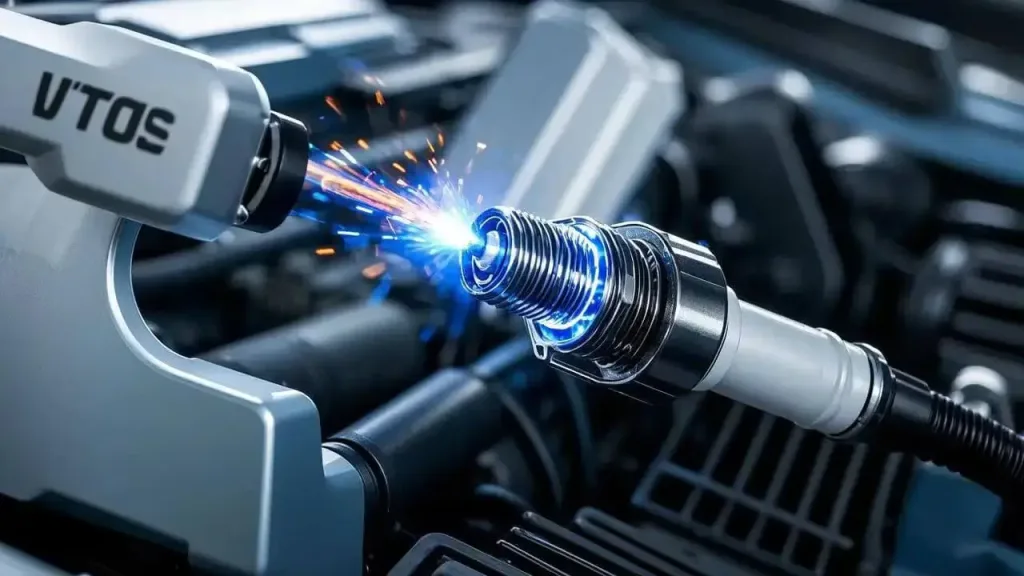
1. Copper Spark Plugs
Copper spark plugs are the most basic and widely used type. They have a solid copper core with a nickel-alloy electrode. The copper core is excellent for conducting electricity, making these plugs highly efficient in delivering strong sparks.
Pros:
- Excellent electrical conductivity for strong sparks.
- Ideal for older engines and high-performance applications.
- More affordable than other spark plug types.
Cons:
- Short lifespan (typically around 20,000 miles).
- The nickel alloy electrode wears out faster than platinum or iridium.
Best for: Older vehicles with traditional distributor ignition systems and high-performance engines that require better conductivity.
2. Single Platinum Spark Plugs
Platinum spark plugs feature a small platinum disc welded onto the center electrode. This makes them more durable than copper plugs, as platinum is a harder metal that resists wear and tear.
Pros:
- Longer lifespan than copper plugs (up to 60,000 miles).
- Maintains a consistent spark over time.
- Better resistance to high temperatures and carbon buildup.
Cons:
- More expensive than copper plugs.
- Less conductive than copper, which may slightly reduce performance in some engines.
Best for: Modern vehicles with electronic ignition systems requiring long-lasting spark plugs.
3. Double Platinum Spark Plugs
Double platinum spark plugs take durability to the next level by incorporating platinum on both the center and ground electrodes. These are designed for distributor-less ignition systems (DIS), where sparks are fired in both directions.
Pros:
- Twice the durability of single platinum plugs.
- Designed for distributor-less ignition systems (DIS) where spark travels both ways.
- Reduces wear and enhances ignition reliability.
Cons:
- More expensive than single platinum plugs.
- Not necessary for vehicles that don’t have a DIS ignition system.
Best for: Cars with waste spark ignition systems that require enhanced durability.
4. Iridium Spark Plugs
Iridium spark plugs are some of the most advanced options available. Iridium is a much harder and more durable material than platinum, allowing for a smaller center electrode. A smaller electrode means a more focused spark, improving combustion efficiency.
Pros:
- Extremely long lifespan (up to 100,000 miles or more).
- Provides a strong and stable spark for better combustion.
- Improves fuel efficiency and engine performance.
Cons:
- More expensive than both platinum and copper plugs.
Best for: Most modern vehicles, especially those requiring long-lasting and high-performance spark plugs.
5. Double Iridium Spark Plugs
These spark plugs take iridium’s durability a step further by incorporating iridium on both the center and ground electrodes. This enhances longevity and ensures superior ignition performance.
Pros:
- Maximum lifespan and wear resistance.
- Ideal for high-energy ignition systems.
- Boosts fuel efficiency and combustion efficiency.
Cons:
- Highest cost among spark plug types.
Best for: Newer vehicles with high-performance ignition systems looking for the longest-lasting spark plug option.
6. Silver Spark Plugs (Less Common Option)
Silver spark plugs are rare but still used in some high-performance and specialty engines. They feature silver-coated electrodes, which provide excellent thermal conductivity.
Pros:
- Best heat dissipation among all spark plug materials.
- Provides a strong and consistent spark.
Cons:
- Shorter lifespan than iridium and platinum spark plugs.
- Not widely available.
Best For:
- High-performance engines, motorcycles, and select European vehicles.
How to Choose the Right Spark Plug for Your Vehicle
Choosing the right spark plug for your vehicle is essential for maintaining engine efficiency, fuel economy, and overall performance. With so many different types available, making the right choice can be overwhelming. However, by understanding key factors such as compatibility, material type, heat range, and electrode gap, you can ensure your engine runs smoothly and efficiently.
1. Check Your Owner’s Manual
The first and most important step in selecting the right spark plug is consulting your vehicle’s owner’s manual. Manufacturers specify the exact type of spark plug that works best for your engine, including:
- Plug material (Copper, Platinum, Iridium, etc.)
- Thread size and length (Must match your engine’s cylinder head)
- Electrode gap size (Critical for proper ignition)
- Heat range (Affects engine temperature management)
Using a spark plug that doesn’t meet these specifications can lead to poor engine performance, misfires, or even engine damage.
2. Choose the Right Spark Plug Material
Spark plugs come in different materials, which affect durability, performance, and longevity. The most common options include:
Copper Spark Plugs
- Best conductivity but shortest lifespan (around 20,000 miles).
- Ideal for older vehicles with distributor ignition systems or performance engines.
Platinum Spark Plugs
- Last longer than copper (up to 60,000 miles).
- Provides better fuel efficiency and ignition reliability.
Iridium Spark Plugs
- Most durable and longest-lasting (up to 100,000 miles).
- Improves fuel economy and engine performance.
- Best for modern cars with coil-on-plug ignition systems.
Double Platinum & Double Iridium Spark Plugs
- Enhanced durability and consistent spark quality.
- Ideal for high-energy ignition systems (DIS or coil-on-plug).
Selecting the correct material depends on your vehicle’s ignition system and your driving habits. If longevity and efficiency are your priorities, iridium or platinum plugs are the best choices.
3. Understand Heat Range
The heat range of a spark plug determines how quickly it transfers heat from the combustion chamber. Choosing the wrong heat range can cause engine problems.
- Hot Spark Plugs: Retain more heat, preventing deposits from building up. Best for short trips and city driving.
- Cold Spark Plugs: Dissipate heat faster, preventing overheating. Ideal for high-performance or turbocharged engines.
Your manufacturer will recommend the ideal heat range for your engine, ensuring optimal performance and longevity.
4. Match the Correct Spark Plug Gap
The spark plug gap is the distance between the center and ground electrodes. This gap determines how easily the spark jumps to ignite the air-fuel mixture.
- A too small gap may cause weak sparks, leading to incomplete combustion.
- A too large gap requires more voltage, potentially causing misfires or ignition failure.
Most modern spark plugs come pre-gapped according to manufacturer specifications, but it’s always best to check and adjust using a spark plug gap gauge before installation.
5. Consider Your Driving Conditions and Needs
Your driving habits and conditions also play a role in choosing the right spark plug:
Daily Commuting & City Driving:
- Choose Platinum or Iridium for durability and efficiency.
High-Performance & Sports Cars:
- Use Copper or Iridium for better conductivity and power output.
Heavy-Duty & Towing Vehicles:
- Opt for Double Platinum or Double Iridium for durability under extreme conditions.
Extreme Climates (Very Hot or Cold):
- Select the correct heat range to prevent fouling or overheating.
6. Verify Compatibility with Your Engine
Some vehicles have specialized ignition systems that require a specific type of spark plug. For example:
- Older vehicles (with distributor ignition systems) typically use Copper spark plugs.
- Modern cars (with coil-on-plug or DIS ignition systems) perform best with Platinum or Iridium.
- Turbocharged or high-performance engines often require Colder heat range spark plugs.
If unsure, consult your mechanic or dealership for expert advice on compatibility.
7. Stick to Reputable Brands
Not all spark plugs are created equal. Choosing a well-known and reputable brand ensures reliability and performance. Some of the best spark plug brands include:
✅ NGK – High-quality, long-lasting spark plugs used in many factory engines.
✅ Bosch – Reliable and innovative spark plugs for various vehicle types.
✅ Denso – Premium spark plugs with excellent durability and performance.
✅ ACDelco – Best for General Motors (GM) vehicles.
✅ Champion – Trusted in racing and high-performance applications.
Avoid cheap or generic spark plugs, as they may not meet your engine’s requirements and could cause long-term damage.
Signs You Need to Replace Your Spark Plugs
Spark plugs are small but crucial components of your engine, responsible for igniting the air-fuel mixture and ensuring smooth operation. Over time, they wear out and lose efficiency, affecting engine performance. Recognizing the signs of failing spark plugs early can help prevent costly repairs and keep your car running efficiently. Below are the most common indicators that it’s time for a spark plug replacement.
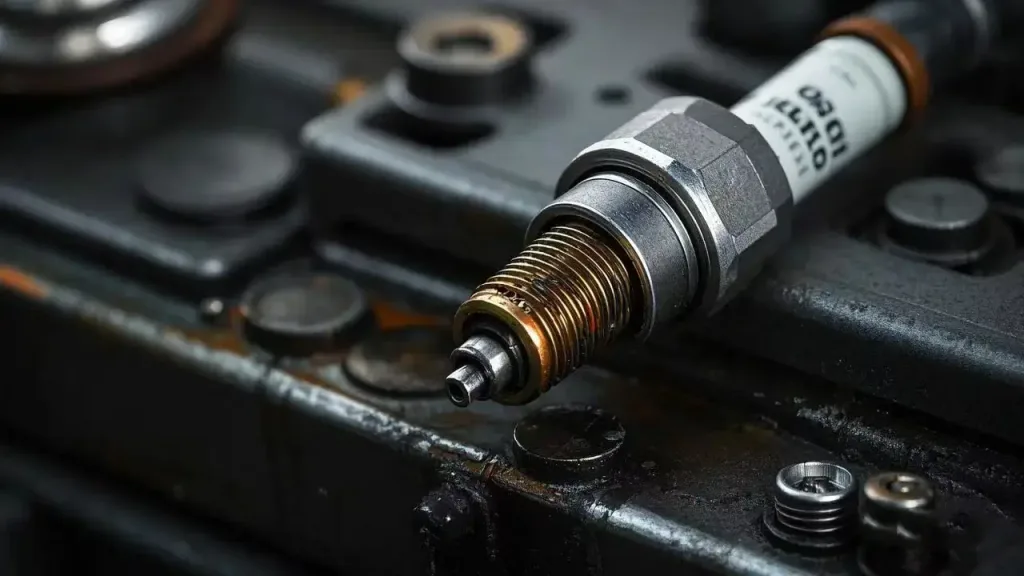
1. Difficulty Starting Your Engine
One of the first signs of bad spark plugs is trouble starting your vehicle. Since spark plugs are responsible for igniting the fuel-air mixture, worn-out plugs may struggle to create a strong enough spark.
Warning Signs:
- Your engine takes longer to turn over.
- You hear repeated cranking before the engine starts.
- The battery and other electrical systems are working fine, but the engine won’t start easily.
Solution: If your spark plugs are old or fouled, replacing them can restore proper ignition and make starting your car effortless.
2. Poor Fuel Efficiency
If you notice that you’re visiting the gas station more frequently than usual, bad spark plugs could be the culprit. Worn-out plugs lead to incomplete combustion, which means your engine burns more fuel than necessary.
Warning Signs:
- Sudden drop in miles per gallon (MPG).
- The fuel gauge depletes faster than usual.
- No visible fuel leaks, but you’re using more gas.
Solution: Installing new spark plugs ensures complete fuel combustion, improving your vehicle’s fuel efficiency and saving money on gas.
3. Engine Misfires
An engine misfire occurs when the spark plug fails to ignite the fuel mixture at the right time. This can cause jerky acceleration, loss of power, and increased emissions.
Warning Signs:
- The engine stutters or shakes while driving.
- Loss of power, especially when accelerating.
- A “popping” sound from the engine.
- Check engine light turns on.
Solution: Misfiring not only reduces performance but can also damage other engine components over time. Replacing faulty spark plugs can fix this issue and prevent further damage.
4. Rough Idling and Unusual Noises
A properly functioning engine should run smoothly at idle. However, worn or damaged spark plugs can cause irregular engine behavior, leading to rough idling and strange noises.
Warning Signs:
- The engine vibrates excessively while idling.
- You hear knocking or rattling sounds.
- The RPM needle fluctuates when the car is stationary.
Solution: If your engine sounds rough when idling, replacing the spark plugs could solve the problem and restore smooth operation.
5. Slow or Weak Acceleration
A vehicle with bad spark plugs often feels sluggish and unresponsive when you press the gas pedal. This happens because inefficient combustion reduces power output.
Warning Signs:
- The car hesitates when accelerating.
- Feels underpowered, especially when climbing hills.
- Takes longer than usual to reach higher speeds.
Solution: If your acceleration feels weaker than before, new spark plugs can restore lost power and improve throttle response.
6. Check Engine Light Is On
A check engine light can indicate many issues, but one of the most common reasons is faulty spark plugs. When a spark plug misfires or fails, it triggers an error code in the car’s computer system.
Warning Signs:
- The check engine light turns on or blinks.
- The car feels sluggish and lacks power.
- Diagnostic scan shows a misfire-related error code (P0300-P0310).
Solution: If your check engine light is on, have your vehicle scanned for diagnostic codes. If spark plugs are the issue, replacing them can clear the error and restore normal function.
7. Excessive Exhaust Smoke
While some exhaust emissions are normal, excessive smoke could indicate incomplete combustion due to bad spark plugs.
Warning Signs:
- Dark, sooty exhaust smoke.
- A strong gasoline smell from the exhaust.
- Increased emissions that could cause a failed smog test.
Solution: Replacing old spark plugs can improve combustion efficiency, reducing excessive emissions and keeping your engine running cleaner.
8. Engine Surging or Hesitation
If your vehicle randomly surges forward or hesitates while driving, it could be due to inconsistent firing from the spark plugs.
Warning Signs:
- The car accelerates unexpectedly without pressing the gas pedal.
- The engine feels like it’s losing power randomly.
- Hesitation when shifting gears or pressing the throttle.
Solution: New spark plugs will provide a stable and consistent spark, preventing engine surging and hesitation.
When Should You Replace Your Spark Plugs?
The replacement interval depends on the type of spark plug:
| Spark Plug Type | Average Lifespan |
| Copper | 15,000 – 20,000 miles |
| Platinum | 50,000 – 60,000 miles |
| Iridium | 80,000 – 100,000 miles |
| Double Platinum / Double Iridium | 100,000+ miles |
However, driving habits, fuel quality, and engine condition can affect longevity. Always check your owner’s manual for manufacturer recommendations.
DIY vs. Professional Installation
Should you replace your spark plugs yourself or take your car to a mechanic? Let’s weigh the pros and cons.
DIY Spark Plug Replacement
✅ Saves money on labor costs.
✅ Provides hands-on car maintenance experience.
✅ Can be done with basic tools.
Requires some mechanical knowledge.
Mistakes can lead to engine issues.
Professional Installation
✅ Ensures correct installation.
✅ Mechanics check for other engine problems.
✅ Saves time and effort.
More expensive due to labor costs.
Tools Needed for DIY Replacement:
- Ratchet wrench
- Spark plug socket
- Gapping tool
- Torque wrench
If you’re confident in your skills, DIY replacement is a cost-effective option. Otherwise, professional service is a safer bet.
Conclusion
Choosing the right spark plug for your vehicle is essential for maintaining engine performance, fuel efficiency, and overall reliability. Always refer to your owner’s manual, consider the material and heat range, and be aware of signs that indicate it’s time for a replacement. Whether you opt for a DIY approach or a professional mechanic, keeping your spark plugs in good condition ensures a smoother, more efficient ride.
FAQ (People Also Ask)
1. How often should I replace my spark plugs?
- It depends on the type. Copper plugs last about 20,000 miles, platinum up to 60,000 miles, and iridium around 100,000 miles.
2. Can I use any spark plug for my car?
- No, always use the type recommended in your owner’s manual to avoid performance issues.
3. What happens if I don’t replace my spark plugs?
- Your engine may misfire, fuel efficiency will drop, and you might experience hard starts or reduced performance.
4. Do new spark plugs improve performance?
- Yes! Fresh spark plugs can improve fuel efficiency, acceleration, and overall engine performance.
5. How do I know if my spark plugs are bad?
- Common signs include rough idling, engine misfires, poor gas mileage, and difficulty starting the car.



Add comment