

The Best Way to Clean Engine Carbon Buildup
Over time, carbon deposits build up inside an engine, reducing performance, and fuel efficiency, and even leading to costly repairs. If left unchecked, this buildup can cause rough idling, misfires, poor acceleration, and increased emissions. But don’t worry—there are effective ways to remove and prevent carbon buildup, ensuring your engine runs smoothly for years to come.
In this guide, we’ll explore the causes and symptoms of carbon buildup, the best cleaning methods, and key preventative measures to keep your engine in top shape.
What is Carbon Buildup and How Does it Form?
Carbon buildup occurs when fuel combustion leaves behind small deposits inside the engine, particularly in areas like the intake valves, combustion chamber, and fuel injectors. This is especially common in direct-injection engines, where fuel isn’t sprayed directly onto the intake valves, allowing carbon to accumulate more quickly.
Common Causes of Carbon Buildup:
✅ Incomplete combustion – Low-quality fuel and short trips prevent full fuel burn.
✅ Oil leaks into the intake – Worn valve seals or PCV system issues can introduce oil into the intake.
✅ Low-speed driving – Prolonged stop-and-go traffic doesn’t generate enough heat to burn off deposits.
✅ Poor maintenance – Skipping oil changes and using dirty air filters contribute to deposits.
Signs & Symptoms of Carbon Buildup
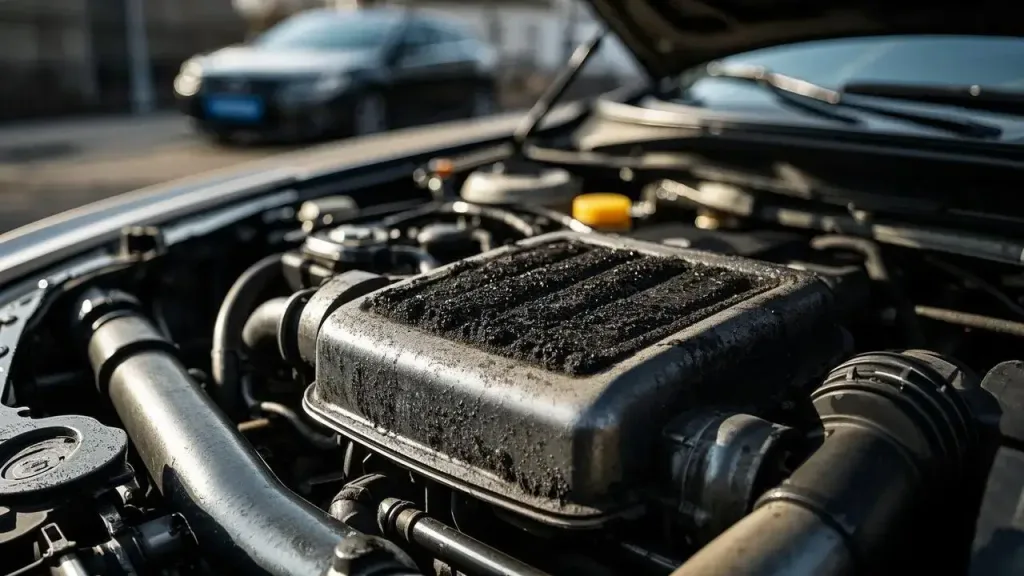
Carbon buildup can initially seem like a minor nuisance, but over time it can lead to significant performance issues and engine damage. Recognizing the early signs is essential for timely maintenance. Here are some detailed symptoms to watch for:
- Rough Idling:
Carbon deposits can cause the engine to run unevenly when idle. If you notice fluctuations in RPMs or the engine feeling unstable at low speeds, it might be due to deposits interfering with smooth combustion. - Engine Misfires:
Deposits around the spark plugs or in the combustion chamber can lead to misfires. These misfires occur when the fuel-air mixture doesn’t ignite properly, causing a noticeable stumble or hesitation during acceleration. - Decreased Acceleration and Power Loss:
Accumulated carbon in the combustion chamber restricts airflow and disrupts the optimal fuel-air mixture. This can result in a noticeable decrease in engine power, making your car feel sluggish, especially during acceleration. - Increased Fuel Consumption:
As carbon buildup hampers combustion efficiency, your engine may need to work harder to produce the same amount of power. This inefficiency often leads to higher fuel consumption, impacting your overall fuel economy. - Higher Emissions:
Incomplete combustion caused by carbon deposits can result in elevated levels of harmful emissions. If your vehicle starts emitting more exhaust smoke or triggering emissions-related alerts, it could be a sign of buildup. - Unusual Engine Noises:
Sometimes, the presence of carbon deposits can lead to odd knocking or pinging sounds. These noises occur as the engine struggles to maintain a consistent combustion process, potentially indicating underlying carbon issues. - Dashboard Warning Lights:
Modern vehicles are equipped with sensors that detect irregularities in engine performance. Persistent carbon buildup might eventually trigger warning lights on your dashboard, alerting you to the need for maintenance.
Best Methods to Clean Engine Carbon Buildup
When carbon deposits accumulate inside an engine, they can cause performance issues, reduced fuel efficiency, and increased emissions. Fortunately, there are several effective ways to remove carbon buildup, ranging from simple DIY treatments to professional deep-cleaning services. Here are the best methods to clean engine carbon deposits:
1. Fuel Additives (Easy and Preventative Solution)
Fuel additives, also known as fuel system cleaners, are one of the simplest ways to reduce and prevent carbon buildup. These additives are poured directly into the fuel tank and work by dissolving carbon deposits as the fuel burns.
🔹 How It Works: The cleaner passes through the fuel system, breaking down carbon deposits in the intake valves, fuel injectors, and combustion chamber.
🔹 Best For: Light-to-moderate carbon buildup and ongoing maintenance.
🔹 Recommended Products: Look for additives containing Polyetheramine (PEA), as it is the most effective compound for dissolving carbon.
✅ Pros:
✔️ Easy to use—just add to the fuel tank.
✔️ Helps maintain clean intake valves and fuel injectors.
✔️ Affordable and widely available.
❌ Cons:
❌ Less effective for severe carbon buildup.
❌ Requires consistent use for best results.
2. Engine Intake Cleaning (Throttle Body & Intake Valves)
Over time, carbon can accumulate in the throttle body and intake manifold, restricting airflow and reducing engine efficiency. Cleaning these components can restore smooth performance.
🔹 How It Works: A throttle body cleaner or intake system cleaner is sprayed into the intake to dissolve carbon deposits directly on the intake valves and throttle body.
🔹 Best For: Mild-to-moderate carbon buildup in engines with port injection or gasoline direct injection (GDI).
✅ Pros:
✔️ Directly removes carbon from the air intake system.
✔️ Improves throttle response and engine efficiency.
❌ Cons:
❌ Requires some mechanical skill to access and clean properly.
❌ Not as effective for deep carbon buildup inside the combustion chamber.
3. Engine Carbon Cleaning Machines (Hydrogen or Chemical Cleaning)
For more severe carbon buildup, professional carbon cleaning machines use hydrogen gas or chemical solutions to break down stubborn deposits.
🔹 How It Works: A specialized machine injects hydrogen or a cleaning agent into the air intake, reacting with carbon and burning it off as the engine runs.
🔹 Best For: Moderate-to-severe carbon buildup, especially in direct injection engines.
✅ Pros:
✔️ Highly effective at deep-cleaning intake valves and combustion chambers.
✔️ Performed by professionals, ensuring safety and proper application.
❌ Cons:
❌ More expensive than DIY methods.
❌ Not always necessary unless buildup is severe.
4. Manual Carbon Removal (Disassembly & Cleaning)
For extreme cases where other methods don’t work, manually removing carbon deposits from engine components is the most thorough solution.
🔹 How It Works: A mechanic disassembles key engine parts (such as the intake manifold, cylinder head, or pistons) and manually scrapes off carbon deposits using specialized tools and solvents.
🔹 Best For: Severe carbon buildup causing major performance issues.
✅ Pros:
✔️ Provides the most complete cleaning.
✔️ Allows inspection of engine parts for damage.
❌ Cons:
❌ Requires significant labor and time.
❌ Can be expensive if done professionally.
5. Walnut Blasting (Best for Direct Injection Engines)
Walnut blasting is a professional cleaning method that uses crushed walnut shells to remove stubborn carbon buildup, especially on intake valves.
🔹 How It Works: A high-pressure air gun blasts finely ground walnut shells onto carbon-coated surfaces, scrubbing away deposits without damaging engine parts.
🔹 Best For: Gasoline direct injection (GDI) engines, which tend to accumulate heavy carbon buildup on intake valves due to fuel spray patterns.
✅ Pros:
✔️ One of the most effective methods for cleaning intake valves.
✔️ Non-abrasive and safe for engine components.
❌ Cons:
❌ Requires professional equipment.
❌ Costs more than basic fuel additives or chemical treatments.
Which Carbon Cleaning Method Should You Use?
| Method | Best For | Effectiveness | DIY or Professional? |
|---|---|---|---|
| Fuel Additives | Light buildup & prevention | ⭐⭐⭐ | DIY |
| Throttle Body & Intake Cleaning | Mild carbon buildup | ⭐⭐⭐⭐ | DIY |
| Hydrogen Carbon Cleaning | Moderate buildup | ⭐⭐⭐⭐ | Professional |
| Manual Carbon Removal | Severe buildup | ⭐⭐⭐⭐⭐ | Professional |
| Walnut Blasting | GDI engine carbon deposits | ⭐⭐⭐⭐⭐ | Professional |
Preventative Measures to Avoid Carbon Buildup
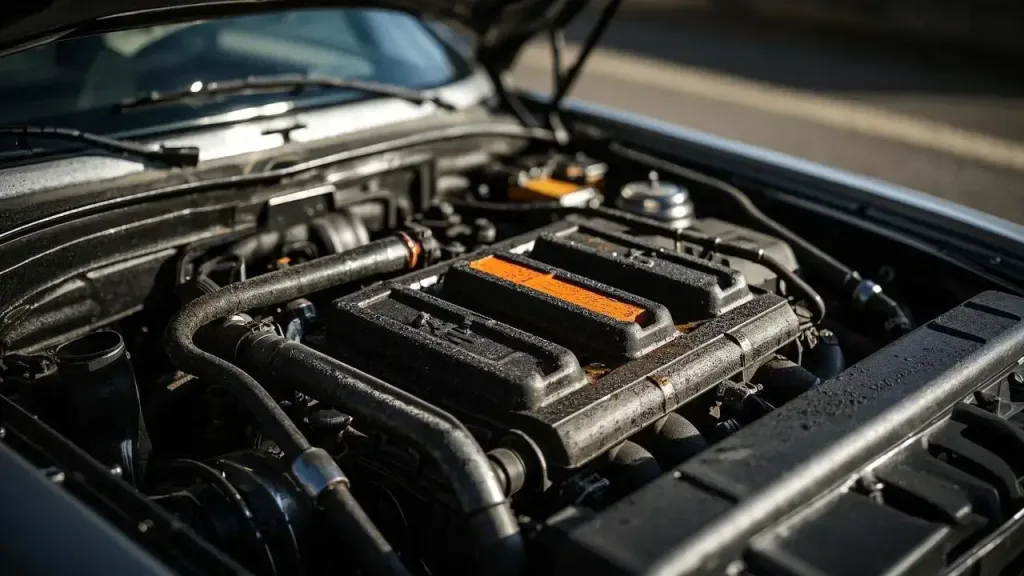
Cleaning carbon is important, but preventing it in the first place is even better! Follow these tips to keep your engine clean:
✅ Use High-Quality Fuel
Top-tier gasoline with detergent additives helps reduce deposits and keeps fuel injectors clean.
✅ Perform Regular Maintenance
- Change oil & filters on time.
- Inspect and replace spark plugs before they become fouled.
- Keep the PCV system clean to prevent oil vapor buildup.
✅ Avoid Short Trips & Low-Speed Driving
Engines need to reach full operating temperature to burn off carbon. Take your car on a highway drive occasionally to clean the engine naturally.
✅ Use Fuel Additives Periodically
Adding a fuel system cleaner every few thousand miles helps prevent excessive buildup.
✅ Clean the Throttle Body & Intake System
Carbon collects in the throttle body and intake manifold. Cleaning these areas every 20,000–30,000 miles prevents airflow restrictions.
✅ Consider Walnut Blasting for Direct Injection Engines
If you have a GDI engine, carbon will build up on the intake valves over time. Walnut blasting is the most effective way to remove deposits.
Cost Considerations: DIY vs. Professional Cleaning
| Cleaning Method | DIY Cost | Professional Cost | Effectiveness |
|---|---|---|---|
| Fuel Additives | $10 – $30 | N/A | ⭐⭐⭐ |
| Engine Flush | $20 – $50 | N/A | ⭐⭐⭐ |
| Manual Cleaning | $50 – $100 | $200 – $500 | ⭐⭐⭐⭐ |
| Walnut Blasting | N/A | $300 – $600 | ⭐⭐⭐⭐⭐ |
| Hydrogen Cleaning | N/A | $100 – $400 | ⭐⭐⭐⭐ |
For light buildup, fuel additives and regular maintenance should be enough. If carbon is severe, manual cleaning or professional services may be necessary.
Frequently Asked Questions (FAQs)
1. What causes carbon buildup in an engine?
Carbon buildup occurs due to incomplete combustion, oil vapors entering the intake system, and fuel impurities. This is more common in direct injection engines, where fuel is injected directly into the combustion chamber without washing over the intake valves.
2. How do I know if my engine has carbon buildup?
Common signs include rough idling, sluggish acceleration, increased fuel consumption, misfires, loss of power, and check engine lights. If you notice any of these symptoms, a professional inspection may be necessary.
3. Can I clean carbon buildup myself?
Yes! If the buildup is mild, fuel additives, throttle body cleaners, and intake system cleaners can help. However, for severe carbon accumulation, walnut blasting or manual cleaning by a professional is the best option.
4. How often should I clean my engine to remove carbon deposits?
For preventative maintenance, using a fuel system cleaner every 3,000–5,000 miles can help. Direct injection engines may need walnut blasting or professional cleaning every 50,000–70,000 miles.
5. Does premium fuel reduce carbon buildup?
Yes, top-tier premium gasoline often contains better detergents that help prevent deposits. However, it won’t remove existing heavy carbon buildup.
6. Will an oil catch can help reduce carbon buildup?
Yes! An oil catch can helps trap oil vapors before they reach the intake valves, reducing the likelihood of carbon deposits in direct injection engines.
7. Can carbon buildup damage my engine?
Over time, excessive carbon buildup can cause poor combustion, valve sealing issues, engine knocking, and even internal damage if left untreated. Addressing the issue early can prevent costly repairs.
8. Is walnut blasting safe for my engine?
Yes, walnut blasting is one of the safest and most effective methods for removing carbon deposits from intake valves without damaging the engine. It’s widely used by professional mechanics, especially for direct injection engines.
9. Can I prevent carbon buildup completely?
While you can’t eliminate it entirely, you can significantly reduce carbon deposits by:
- Using high-quality fuel with detergents.
- Performing regular oil changes to prevent oil vapor buildup.
- Occasionally driving at higher RPMs to burn off carbon deposits (also called an “Italian tune-up”).
- Using fuel system cleaners as part of routine maintenance.
10. When should I seek professional carbon cleaning?
If you experience severe misfires, rough idling, or power loss despite using fuel additives and regular maintenance, it’s time to consider professional carbon cleaning such as hydrogen cleaning, walnut blasting, or manual carbon removal.
Final Thoughts
Carbon buildup is a common issue, but with proper maintenance and cleaning techniques, you can keep your engine running like new.
🔹 If your car shows symptoms of carbon buildup, start with a fuel additive or engine flush.
🔹 For severe buildup, consider manual cleaning or professional carbon removal services.
🔹 Prevent future carbon buildup by using high-quality fuel, driving efficiently, and keeping up with maintenance.
By following these steps, you’ll improve your car’s performance, fuel economy, and engine longevity!



Add comment