

Can I Change a Piston Without Removing the Head?
Engines are the heart of your vehicle, and pistons play a crucial role in keeping it alive. But what happens when a piston gets damaged? You may wonder, “Can I change a piston without removing the head?” It’s a fascinating question that raises eyebrows among both car enthusiasts and mechanics. While possible in certain cases, this approach isn’t the norm and comes with its challenges. Let’s dive deep into this topic, exploring the mechanics, the risks, and whether this method might work for your engine.
What Is a Piston, and What Does It Do?
A piston is a cylindrical component that moves up and down inside the engine’s cylinders. It compresses the air-fuel mixture, enabling combustion to occur. This explosion generates energy, powering your vehicle. Pistons also transfer the combustion force to the crankshaft, converting it into rotational energy.
However, because they’re constantly exposed to high temperatures, pressure, and friction, pistons can wear out or become damaged over time. A compromised piston can lead to reduced engine performance, increased emissions, and even complete engine failure.
The Cylinder Head and Its Role in the Engine
The cylinder head sits atop the engine block and seals the cylinders. It houses vital components like valves, spark plugs, and the combustion chamber. Removing the head provides direct access to the pistons, which is why it’s typically necessary for piston replacement. Without removing the head, the process becomes significantly more complicated, as you’re working through limited access points.
Common Causes of Piston Damage
Pistons are vital components of your engine, enduring intense pressure, heat, and friction to keep your car running smoothly. However, they’re not invincible. Over time, various factors can cause piston damage, which, if left unchecked, can lead to costly repairs or even complete engine failure. Below, we’ll dive deeper into the most common causes of piston damage, helping you understand how to prevent or address these issues.
1. Overheating
Overheating is one of the most frequent causes of piston damage. When an engine runs too hot, the piston can expand beyond its design tolerances. This can lead to several problems, including:
- Scuffing or Seizing: Overheating causes the piston to expand and rub excessively against the cylinder walls, leading to scuffing or even seizing of the piston in the cylinder.
- Cracking or Warping: Intense heat can cause the piston to develop cracks or deform, reducing its ability to function properly.
2. Detonation or Pre-Ignition
Detonation and pre-ignition are abnormal combustion processes that can wreak havoc on pistons. Let’s break down the two:
- Detonation: This occurs when the air-fuel mixture ignites too late or unevenly, causing a shockwave inside the cylinder. This shockwave puts extreme pressure on the piston crown, leading to pitting, cracking, or even a hole in the piston.
- Pre-Ignition: This happens when the air-fuel mixture ignites prematurely, usually due to hot spots in the combustion chamber. The excessive heat and pressure can melt or damage the piston surface.
3. Oil Starvation or Contamination
Proper lubrication is critical for the piston to move smoothly within the cylinder. Oil starvation or contamination can cause severe wear and damage. Here’s how it happens:
- Oil Starvation: If the engine is running low on oil, the piston lacks the lubrication it needs to reduce friction. This can cause the piston to scrape against the cylinder walls, leading to scuffing or galling.
- Oil Contamination: Dirt, debris, or metal particles in the oil can act as abrasives, wearing down the piston surface and rings.
4. Mechanical Failure
Mechanical issues within the engine can also damage pistons. Some common examples include:
- Broken or Worn Piston Rings: Piston rings are responsible for sealing the combustion chamber and controlling oil consumption. Damaged rings can cause excessive blow-by (leakage of combustion gases), which can lead to overheating or scoring of the piston.
- Bent or Broken Connecting Rods: Connecting rods transfer motion from the piston to the crankshaft. A bent or broken rod can strike the piston, leading to cracks or fractures.
- Valve-Piston Collision: Timing belt or chain failure can cause valves to strike the piston in interference engines, resulting in severe damage.
5. Manufacturing Defects
While less common, manufacturing defects can also lead to piston damage. A poorly cast or machined piston may develop weak points that crack or fail under normal operating conditions.
6. Improper Installation or Repairs
Improper installation during repairs or rebuilds can also lead to piston damage. Examples include:
- Incorrect piston-to-cylinder clearance: If the piston is too tight, it may seize; if it’s too loose, it may slap against the cylinder walls.
- Misaligned piston rings: Improperly installed rings can fail to seal correctly, causing blow-by or uneven wear.
- Failure to torque bolts properly: Loose or overtightened bolts can lead to piston or connecting rod failure.
7. Foreign Object Damage
Foreign objects entering the combustion chamber can cause severe damage to the piston. For example:
- A loose bolt or nut that enters the cylinder can dent, crack, or even puncture the piston.
- Carbon deposits from poor fuel quality or oil leakage can create hotspots and cause uneven wear.
Symptoms of a Damaged Piston
A damaged piston can lead to serious engine problems if left unaddressed. Recognizing the early signs of piston trouble is crucial to prevent further damage and expensive repairs. Below, we’ll explore the most common symptoms of a damaged piston and how they impact your engine’s performance.
1. Loss of Engine Compression
One of the clearest signs of a damaged piston is a loss of compression in the affected cylinder. Compression is critical for the engine’s combustion process, and when a piston is damaged, the combustion chamber can’t maintain the required pressure.
Symptoms of low compression:
- Reduced engine power and sluggish acceleration.
- Difficulty starting the engine, particularly when it’s cold.
- Rough idling or misfiring.
2. Knocking or Tapping Noises
Unusual noises coming from the engine are another sign of a damaged piston. A damaged piston can cause parts to become misaligned or loose, resulting in:
- Piston Slap: A knocking or slapping noise caused by the piston moving excessively within the cylinder. This happens when the piston becomes undersized or the cylinder walls are excessively worn.
- Tapping Sounds: This could occur if the piston has cracks or is colliding with other components, such as the cylinder head or valves.
3. Excessive Smoke from the Exhaust
A damaged piston can lead to increased oil consumption or improper combustion, both of which cause excessive smoke from the exhaust.
What to look for:
- Blue Smoke: Indicates that oil is leaking into the combustion chamber due to damaged piston rings or a cracked piston.
- White Smoke: May suggest coolant is leaking into the combustion chamber, which can occur if a damaged piston compromises the cylinder’s seal.
- Black Smoke: Can result from an incomplete fuel burn, often caused by a loss of compression from a damaged piston.
4. Poor Fuel Efficiency
A damaged piston can reduce the efficiency of the combustion process, causing the engine to burn more fuel to produce the same amount of power. This results in:
- Noticeable drops in miles per gallon (MPG).
- Increased frequency of refueling, even for short trips.
5. Oil Consumption and Leaks
A damaged piston or piston rings can lead to oil entering the combustion chamber, where it burns along with the air-fuel mixture. This results in:
- Rapidly depleting oil levels, even without visible leaks.
- The need to top off engine oil more frequently than usual.
- Oily residue on spark plugs, indicating oil is burning in the cylinders.
6. Misfiring or Rough Engine Performance
A damaged piston can disrupt the balance of your engine, causing misfires and rough running. Symptoms include:
- The engine misfires under acceleration or at idle.
- The vehicle vibrates more than usual while running.
- A noticeable lack of smoothness in engine operation.
7. Check Engine Light
When a piston is damaged, it can affect multiple aspects of engine performance, triggering the check engine light. Common reasons include:
- Misfire codes related to low compression in a cylinder.
- Codes indicating a lean or rich fuel mixture due to improper combustion.
- Oil pressure or temperature warnings resulting from excessive friction or oil loss.
8. Visible Damage During Inspection
In severe cases, piston damage may be visible during an inspection. For instance:
- A cracked or melted piston may be discovered if the engine is disassembled.
- Damaged piston rings or scoring on the cylinder walls may also be evident.
Feasibility of Changing a Piston Without Removing the Head
Now let’s get to the big question: Can you really replace a piston without removing the cylinder head? The short answer is yes, but only in very specific situations.
Theoretically Possible but Uncommon
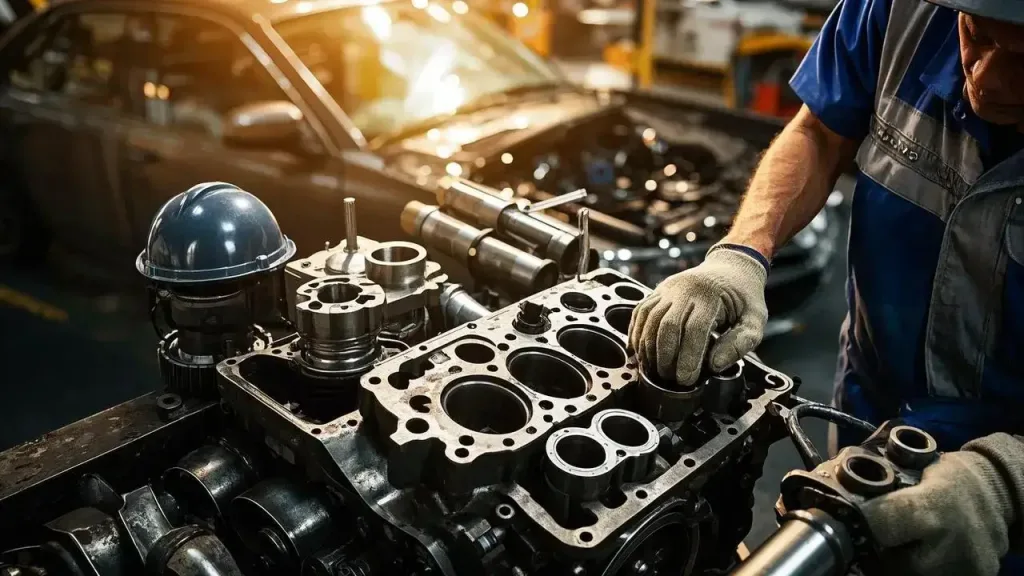
Replacing a piston without removing the head is technically feasible but not standard practice. The process involves accessing the piston through the engine’s bottom by removing the oil pan. While this avoids the labor-intensive step of detaching the head, it poses significant challenges:
- Limited access: Working within a confined space can make it harder to remove and replace the piston.
- Risk of damage: Without full visibility, there’s a higher chance of scratching the cylinder walls or improperly installing the piston.
Scenarios Where This Method Might Work
Certain engine designs allow easier access to pistons via the bottom of the engine. For instance:
- Engines with removable oil pans and fewer obstructions.
- Situations where only minor piston damage is being addressed. However, this method is rarely suitable for modern engines, which often have complex layouts that complicate access.
Step-by-Step Guide: Replacing a Piston Without Removing the Head
If you’re determined to attempt this method, here’s how it’s done.
Tools and Preparation
Before starting, gather the following tools:
- Socket and torque wrenches.
- Piston ring compressor.
- Screwdrivers and pliers.
- Engine cleaner and lint-free rags.
Preparation steps include:
- Disconnecting the battery and draining the engine oil.
- Removing the oil pan to access the crankshaft and connecting rods.
Accessing the Piston
Once the oil pan is removed:
- Locate the connecting rod cap attached to the crankshaft.
- Unscrew the connecting rod cap bolts and carefully set them aside.
- Push the piston upward into the cylinder.
Removing and Replacing the Piston
- Slide the damaged piston out through the cylinder bore.
- Inspect the cylinder for scratches or scoring. If damage is present, a hone or rebore may be required.
- Fit the new piston with properly installed rings. Use a piston ring compressor to ensure it fits snugly into the cylinder.
- Reattach the connecting rod cap and tighten the bolts to the manufacturer’s specified torque settings.
Reassembly and Testing
After replacing the piston:
- Reinstall the oil pan and refill the engine with fresh oil.
- Reconnect the battery and start the engine.
- Check for unusual noises or leaks and test drive the vehicle to confirm the repair was successful.
Challenges and Risks of This Approach
Replacing a piston without removing the head is no walk in the park. Here’s what you need to watch out for:
Potential Damage to Engine Components
One of the biggest risks is accidentally scratching the cylinder walls, which can lead to compression loss and future engine problems. Improper piston installation can also result in misfires, knocking, or catastrophic engine failure.
Time and Skill Requirements
This method demands precision and mechanical expertise. Even seasoned mechanics may struggle with limited access and visibility. For beginners, the risks often outweigh the benefits.
Comparing Standard and Alternative Methods
Let’s compare the two approaches to understand their pros and cons.
Traditional Method: Removing the Head
- Advantages: Full access to pistons, better visibility, and the ability to inspect and repair other components (e.g., valves, gaskets).
- Disadvantages: Time-consuming and labor-intensive.
Non-Standard Method: Not Removing the Head
- Advantages: Potentially faster and avoids the hassle of detaching the cylinder head.
- Disadvantages: Limited to certain engine designs, high risk of errors, and unsuitable for major repairs.
Expert Recommendations
So, should you replace a piston without removing the head? It depends on the situation.
When to Attempt This Method
- Minor piston damage with no impact on the cylinder walls.
- Engines designed with accessible oil pans and cylinders.
When to Avoid This Method
- Severe piston or cylinder damage.
- Complex modern engines where this approach would do more harm than good.
In most cases, consulting a professional mechanic is the safest route.
Preventive Maintenance to Avoid Piston Replacement
The best way to avoid the hassle of replacing a piston is to prevent damage in the first place.
Regular Oil Changes and Inspections
Clean oil is essential for proper lubrication. Check your oil levels regularly and stick to your vehicle’s maintenance schedule to prevent oil starvation.
Avoiding Common Causes of Piston Damage
- Use the correct grade of fuel and avoid engine strain.
- Address overheating issues promptly to prevent warping or cracking.
Conclusion
While it’s technically possible to replace a piston without removing the head, it’s rarely the best approach. The risks and challenges often outweigh the benefits, making the traditional method of removing the cylinder head a more reliable option. Always assess the condition of your engine, and don’t hesitate to seek professional advice for major repairs.
FAQs
1. Is it possible to change a piston without removing the engine head?
Yes, it’s possible in specific cases where the engine design allows access to the piston through the crankcase or cylinder liners. However, this is uncommon in most modern engines.
2. What are the risks of replacing a piston without removing the head?
The primary risks include difficulty accessing the piston, potential damage to nearby components, and the risk of incomplete repairs if underlying issues aren’t addressed.
3. Do I need special tools for this process?
Yes, tools like a piston ring compressor, torque wrench, and inspection camera are essential. Additionally, specialized tools may be required depending on your engine type.
4. Should I replace all pistons or just the damaged one?
While you can replace a single piston, it’s often better to replace all pistons to maintain balance and ensure optimal engine performance.
5. When is it better to remove the engine head?
If the cylinder walls are damaged, if the engine design doesn’t allow piston access, or if you’re unsure about the extent of the damage, removing the head is the safer and more effective option.



Add comment