

What are the symptoms of a bad oxygen sensor?
Your car’s oxygen sensor (O2 sensor) is like a silent guardian, working tirelessly to balance performance, fuel efficiency, and emissions. But when it fails, the consequences can range from annoying to catastrophic. Let’s decode the red flags and arm you with professional-grade knowledge to tackle O2 sensor issues.
What Does an Oxygen Sensor Do?
Think of your car’s oxygen sensor (O2 sensor) as a highly skilled chemist working behind the scenes. Its job? To analyze your exhaust gases and ensure your engine runs at peak efficiency while keeping emissions in check. Here’s how this unsung hero keeps your vehicle in top shape:
The Science Behind the Sensor
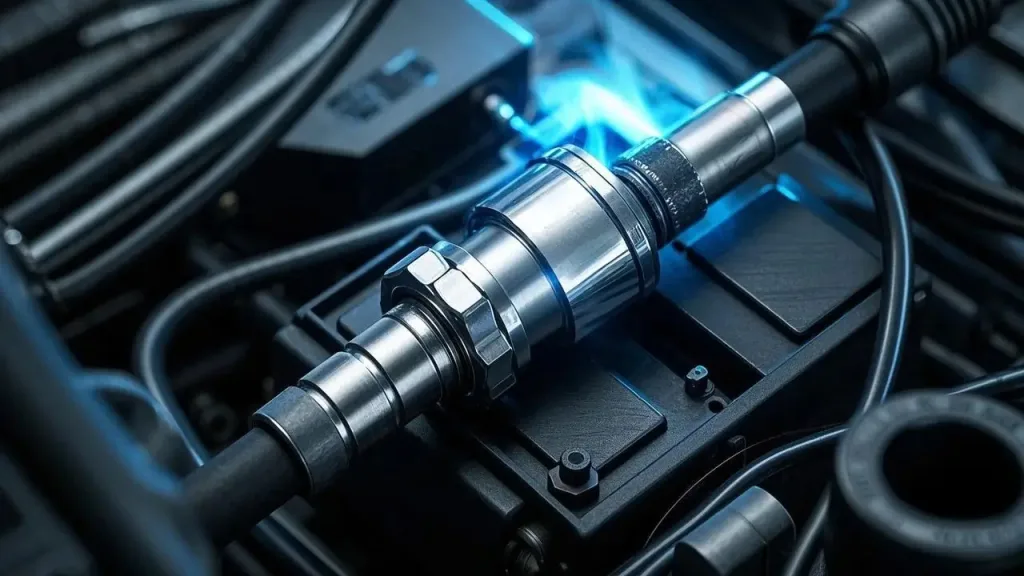
The O2 sensor is a small but mighty device mounted in your exhaust system. It measures the amount of unburned oxygen in the exhaust gases and sends this data to your car’s Engine Control Module (ECM). The ECM then adjusts the air-fuel mixture in real time to maintain the perfect balance—typically a ratio of 14.7:1 (air to fuel) for gasoline engines.
Upstream vs. Downstream: A Team Effort
Modern vehicles often have multiple O2 sensors, each with a specific role:
- Upstream Sensors (Before the Catalytic Converter):
- Monitor the air-fuel mixture directly from the engine.
- Provide real-time feedback to optimize combustion.
- Downstream Sensors (After the Catalytic Converter):
- Check the efficiency of the catalytic converter.
- Ensure harmful emissions are within legal limits.
Why It Matters
A properly functioning O2 sensor is crucial for:
- Fuel Efficiency: Too much fuel (rich mixture) wastes gas; too little (lean mixture) risks engine damage.
- Performance: Smooth idling, responsive acceleration, and reliable cold start.
- Emissions Control: Keeps your car eco-friendly and helps it pass smog tests.
How Many Sensors Does Your Car Have?
The number of O2 sensors depends on your vehicle’s make, model, and engine type:
- 4-Cylinder Engines: Typically 2 sensors (1 upstream, 1 downstream).
- V6/V8 Engines: Usually 4 sensors (2 upstream, 2 downstream).
- Diesel Engines: Additional NOx sensors may be included for stricter emission control.
8 Dangerous Symptoms of a Bad O2 Sensor
A failing oxygen sensor doesn’t always scream for attention—it often whispers. But ignoring these subtle (and not-so-subtle) signs can lead to costly repairs. Here are the top 7 symptoms to watch for:
1. Check Engine Light Illuminates
One of the first and most noticeable symptoms of a bad oxygen sensor is the check engine light turning on. Since the sensor plays a crucial role in regulating the air-fuel mixture, any malfunction will trigger the ECU to log an error code. Common codes related to oxygen sensor failure include P0130 to P0167. If your check engine light is on, scanning for diagnostic trouble codes (DTCs) can help confirm whether the oxygen sensor is the culprit.
2. Poor Fuel Economy
A malfunctioning oxygen sensor may send incorrect data to the ECU, causing the engine to burn more fuel than necessary. If you notice that you’re making more frequent stops at the gas station without a change in driving habits, a bad O2 sensor could be to blame.
3. Rough Idling and Engine Misfires
An incorrect air-fuel ratio can lead to uneven combustion, resulting in rough idling, hesitation, and even misfires. These symptoms may worsen over time if the faulty sensor is not replaced.
4. Increased Emissions and Failed Emissions Test
Since the oxygen sensor helps control the emissions output, a failing sensor can cause your car to release higher levels of pollutants. This can lead to failing an emissions test, meaning you may need to repair the issue before renewing your vehicle registration in states with strict emission regulations.
5. Poor Engine Performance
A faulty oxygen sensor can cause inconsistent engine performance, such as sluggish acceleration, loss of power, or difficulty maintaining speed. This is because the engine struggles to balance the fuel mixture, affecting overall efficiency and drivability.
6. Strong Fuel or Rotten Egg Smell from Exhaust
When an oxygen sensor fails, the engine may run too rich, meaning excess fuel is not burned properly. This can cause unburned fuel to exit through the exhaust, sometimes producing a strong fuel odor. In some cases, a sulfur-like “rotten egg” smell may develop, indicating potential damage to the catalytic converter.
7. Black Smoke from the Exhaust
If your car is running too rich due to a bad oxygen sensor, it may emit dark or black smoke from the exhaust. This is a sign that excess fuel is being wasted instead of being efficiently burned.
8. Potential Damage to the Catalytic Converter
Over time, running your engine with a faulty oxygen sensor can lead to severe damage to the catalytic converter. A rich fuel mixture can cause excessive heat buildup, leading to overheating and possible failure of the catalytic converter—a costly repair that can be prevented with timely sensor replacement.
Diagnosing a Faulty Oxygen Sensor
If you suspect your vehicle’s oxygen sensor is failing, diagnosing the issue properly can help prevent unnecessary repairs and maintain engine efficiency. Here’s a step-by-step guide to identifying a bad O2 sensor:
1. Scan for Trouble Codes (DTCs)
The first step in diagnosing a faulty oxygen sensor is to use an OBD-II scanner. When an oxygen sensor malfunctions, it triggers the check engine light and logs a diagnostic trouble code (DTC). Common O2 sensor-related codes include:
- P0130 – P0135 (Bank 1 Sensor 1 issues)
- P0140 – P0145 (Bank 1 Sensor 2 issues)
- P0150 – P0155 (Bank 2 Sensor 1 issues)
- P0160 – P0165 (Bank 2 Sensor 2 issues)
If you retrieve one of these codes, it likely indicates a faulty oxygen sensor, though further testing is recommended.
2. Inspect the Oxygen Sensor and Wiring
Before replacing the sensor, perform a visual inspection:
- Look for loose or damaged wiring that could be causing incorrect readings.
- Check for excessive soot or contamination on the sensor tip, which may indicate an air-fuel mixture issue.
- If the sensor appears heavily coated in black soot, it may be due to a rich fuel mixture rather than sensor failure.
3. Measure Sensor Voltage with a Multimeter
A properly functioning oxygen sensor generates a voltage signal that fluctuates between 0.1V (lean) and 0.9V (rich) when the engine is running. To test this:
- Set a digital multimeter to DC voltage mode.
- Locate the oxygen sensor signal wire and connect the multimeter probe.
- Start the engine and let it reach normal operating temperature.
- Observe the voltage readings; if the sensor is stuck at a constant value (e.g., 0.5V) or doesn’t fluctuate, it is likely faulty.
4. Check Live Data Using a Scan Tool
For a more in-depth analysis, use an advanced OBD-II scan tool to monitor live data.
- A healthy upstream oxygen sensor should rapidly cycle between lean and rich readings.
- A failing sensor may show slow response times or flatline at a fixed voltage.
- The downstream oxygen sensor (after the catalytic converter) should have a more stable reading, confirming proper catalyst function.
5. Perform a Propane or Vacuum Leak Test
If you suspect the sensor is slow or unresponsive:
- Introduce a small amount of propane gas near the intake to temporarily enrich the fuel mixture. The O2 sensor should quickly detect the change and show a voltage increase.
- Alternatively, creating a vacuum leak (e.g., by disconnecting a small vacuum hose) should cause a lean condition, lowering the sensor voltage.
- If the sensor does not respond accordingly, it is likely defective.
6. Compare Sensor Readings from Different Banks
If your vehicle has multiple O2 sensors (e.g., V6 or V8 engines with bank 1 and bank 2 sensors), compare their readings.
- If one bank’s sensor is fluctuating properly while the other remains steady, the non-responsive sensor may be faulty.
Can You Drive with a Bad Oxygen Sensor?
Technically, you can drive with a failing oxygen sensor, but it’s not advisable. A malfunctioning O2 sensor can lead to several engine and performance issues that worsen over time. Here’s what you need to know about driving with a bad oxygen sensor:

1. Short-Term vs. Long-Term Effects
- Short-Term: If the sensor is only slightly malfunctioning, your vehicle may still run, but you might notice minor performance issues such as reduced fuel efficiency or a slight hesitation in acceleration.
- Long-Term: Ignoring a faulty oxygen sensor for too long can lead to serious problems, including excessive fuel consumption, carbon buildup in the engine, damage to the catalytic converter, and increased emissions.
2. How a Bad Oxygen Sensor Affects Your Vehicle
- Reduced Fuel Efficiency – A malfunctioning sensor can cause the ECU to send too much or too little fuel, leading to poor gas mileage.
- Check Engine Light On – The warning light will stay illuminated until the issue is fixed, preventing you from identifying new engine problems.
- Poor Engine Performance – You may experience rough idling, engine misfires, or sluggish acceleration.
- Failed Emissions Test – Since the oxygen sensor helps regulate emissions, a bad one can cause your vehicle to exceed pollution limits, making it illegal to drive in areas with strict emission regulations.
- Potential Catalytic Converter Damage – An overly rich fuel mixture (caused by incorrect O2 sensor readings) can overheat and destroy the catalytic converter, leading to costly repairs.
3. When Is It Safe to Drive with a Bad Oxygen Sensor?
- If the sensor is failing but not completely dead, you may still be able to drive for a short period, but you should schedule a replacement as soon as possible.
- If the sensor failure has caused severe performance issues or noticeable fuel waste, driving further could lead to more expensive repairs.
4. Should You Replace the Oxygen Sensor Immediately?
Yes. Replacing a faulty oxygen sensor is relatively inexpensive compared to the potential damage it can cause to the catalytic converter or engine. Addressing the issue early can save you money in the long run and keep your vehicle running efficiently.
When and How to Replace an Oxygen Sensor
A faulty oxygen sensor can lead to poor engine performance, increased fuel consumption, and potential damage to the catalytic converter. Knowing when and how to replace an O2 sensor can help maintain your vehicle’s efficiency and prevent costly repairs.
1. When Should You Replace an Oxygen Sensor?
Oxygen sensors don’t last forever. Over time, they wear out due to exposure to high exhaust temperatures, carbon buildup, and contaminants like oil or coolant. Here are key indicators that it’s time to replace an O2 sensor:
- Check Engine Light Is On – An OBD-II scanner shows oxygen sensor-related trouble codes (e.g., P0130-P0167).
- Decreased Fuel Efficiency – If your gas mileage has worsened without any changes in driving habits.
- Rough Idling or Engine Hesitation – Poor air-fuel mixture regulation can cause engine misfires and hesitation during acceleration.
- Failed Emissions Test – A bad sensor may lead to higher emissions and regulatory failure.
- Manufacturer’s Recommended Interval – Most oxygen sensors last 60,000 to 100,000 miles, but check your vehicle’s service manual for specific recommendations.
2. How to Replace an Oxygen Sensor
Replacing an oxygen sensor is a straightforward process that most DIYers can handle with basic tools. Follow these steps to replace it safely:
Step 1: Gather the Necessary Tools
- OBD-II scanner (for code verification)
- Oxygen sensor socket or wrench
- Penetrating oil (to loosen stubborn sensors)
- Anti-seize compound (optional, for new sensor installation)
- Jack and jack stands (if access is difficult)
Step 2: Locate the Faulty Oxygen Sensor
- Most vehicles have at least two oxygen sensors:
- Upstream sensor (before the catalytic converter) monitors the air-fuel mixture.
- Downstream sensor (after the catalytic converter) checks converter efficiency.
- Use your OBD-II scanner to determine which sensor is faulty.
Step 3: Remove the Old Oxygen Sensor
- Allow the engine to cool down to avoid burns.
- Spray penetrating oil on the sensor threads and let it sit for a few minutes.
- Use an oxygen sensor socket or wrench to carefully loosen and remove the old sensor.
Step 4: Install the New Oxygen Sensor
- Compare the new sensor with the old one to ensure compatibility.
- Apply a small amount of anti-seize compound on the threads (if not pre-coated) to prevent future rusting.
- Thread the new sensor into place and tighten it securely, but avoid over-tightening.
- Reconnect the sensor’s wiring harness.
Step 5: Reset the ECU and Test
- Use the OBD-II scanner to clear any trouble codes.
- Start the engine and let it run for a few minutes to ensure no new codes appear.
- Take the vehicle for a short drive to confirm normal operation.
3. Do You Need to Replace All Oxygen Sensors at Once?
Not necessarily. If only one sensor is faulty, you can replace just that one. However, if your vehicle has high mileage and one sensor has failed, the others may be close to failure too. Replacing them in pairs (both upstream or both downstream sensors) can ensure consistent performance.
FAQs and Common Concerns
1. How Many Oxygen Sensors Does My Vehicle Have?
The number of oxygen sensors depends on your vehicle’s make, model, and engine type.
- Older vehicles (pre-1996) often have one or two sensors.
- Modern vehicles (OBD-II systems) typically have two to four sensors—one upstream (before the catalytic converter) and one downstream (after the catalytic converter) per exhaust bank.
- V6, V8, or dual-exhaust vehicles may have four or more sensors (one pair for each exhaust bank).
2. Do I Have to Replace All O2 Sensors at the Same Time?
No, but it depends on your situation.
- If only one sensor is faulty, you can replace just that sensor.
- If your vehicle has high mileage (100,000+ miles) and one sensor has failed, the others may be near failure too. Replacing them in pairs (both upstream or both downstream) is often recommended for consistent performance.
3. How Long Do Oxygen Sensors Typically Last?
Oxygen sensors generally last between 60,000 and 100,000 miles, though some high-quality sensors can last longer. Factors like engine condition, fuel quality, and exposure to contaminants (oil, coolant, carbon buildup) can affect their lifespan.
4. Can a Bad Oxygen Sensor Damage My Engine?
Yes, indirectly. A faulty O2 sensor can cause incorrect air-fuel mixture readings, leading to:
- Poor combustion efficiency, reducing power and fuel economy.
- Excessively rich fuel mixture, causing carbon buildup and premature wear on the engine.
- Catalytic converter damage, which can be costly to repair.
5. Can I Clean an Oxygen Sensor Instead of Replacing It?
While some DIY guides suggest cleaning oxygen sensors with WD-40, carb cleaner, or vinegar, this is not recommended.
- O2 sensors have delicate internal components that can be damaged by harsh cleaning agents.
- If a sensor is contaminated or malfunctioning, replacement is the best solution.
6. Will a Bad Oxygen Sensor Cause My Car to Stall?
Not always, but it can contribute to:
- Rough idling and hesitation, making the engine feel unstable.
- Inconsistent fuel delivery, which might lead to stalling in severe cases.
- Engine misfires, especially under acceleration or at low RPMs.
7. How Much Does It Cost to Replace an Oxygen Sensor?
The cost varies depending on your vehicle and whether you do it yourself or hire a mechanic.
- DIY replacement: $30 to $150 per sensor (for the part).
- Professional replacement: $150 to $500 per sensor (including labor).
- Some luxury or high-performance vehicles may have more expensive sensors.
8. Can I Drive with the Check Engine Light On Due to an O2 Sensor?
You can, but it’s not recommended.
- A faulty oxygen sensor may cause long-term fuel economy loss and engine damage.
- If the check engine light is flashing, it could indicate a serious issue, like a misfire, which can damage the catalytic converter.
9. How Can I Extend the Life of My Oxygen Sensors?
To prolong your O2 sensors’ lifespan:
- Use high-quality fuel to prevent excessive carbon buildup.
- Fix oil or coolant leaks promptly to avoid contamination.
- Keep your engine properly tuned to maintain an optimal air-fuel mixture.
- Replace air and fuel filters regularly to reduce contaminants.
Conclusion
The oxygen sensor is a small but essential component that plays a big role in your vehicle’s efficiency and emissions control. Recognizing the symptoms of a failing oxygen sensor—such as the check engine light, poor fuel economy, and performance issues—can help you take timely action. Whether you choose to diagnose the problem yourself or seek professional help, regular monitoring and maintenance are key to ensuring your engine remains in top condition.
If you notice any of these symptoms, don’t delay in checking your oxygen sensor. A proactive approach not only saves you money on fuel and repairs but also helps keep your car running cleanly and efficiently. Stay informed, take care of your vehicle, and enjoy a smoother, more reliable driving experience.



Add comment