

How Much Does It Cost to Replace an Oil Pan?
An oil pan is one of those hidden heroes of your car’s engine, quietly doing its job until something goes wrong. When it gets damaged, the repair can feel overwhelming. So, how much does it cost to replace an oil pan? Let’s break it down step by step. This comprehensive guide will explain everything you need to know about oil pans, their maintenance, and repair costs.
What Is an Oil Pan?
The oil pan, often referred to as the oil sump, is a critical component of your car’s engine. It’s a metal reservoir located at the bottom of the engine block, designed to store and circulate engine oil. The oil pan not only holds the oil but also provides a space for the oil pump to pull from, ensuring that every moving part of your engine gets lubricated.
It acts as both a storage unit and a cooling system for the oil, allowing heat dissipation. Without a properly functioning oil pan, your engine’s health can rapidly deteriorate, leading to costly damages.
Parts of an Oil Pan
Understanding the components of an oil pan can help you grasp its importance and why repairs might be necessary:
- Drain Plug: Allows old oil to be drained during an oil change.
- Gasket: Seals the connection between the oil pan and the engine to prevent leaks.
- Dipstick Tube Connection: Used to check the oil level.
- Oil Baffles: Internal structures that prevent oil from sloshing around during vehicle movement.
- Mounting Bolts: Secure the oil pan to the engine block.
Each of these parts can experience wear and tear, leading to potential issues.
Symptoms of a Damaged Oil Pan
A damaged oil pan often shows clear warning signs. Recognizing these symptoms early can save you from expensive repairs. Here’s what to watch out for:
- Oil Leaks: Puddles of oil under your car are a major red flag.
- Low Oil Levels: Frequent drops in oil levels could point to leaks in the oil pan.
- Visible Cracks or Damage: Physical inspection may reveal dents or cracks in the oil pan.
- Overheating Engine: Lack of oil can cause increased friction, leading to overheating.
- Burning Oil Smell: Oil leaking onto hot engine parts can produce a noticeable odor.
If you notice any of these symptoms, it’s time to act.
What Causes Oil to Leak from the Oil Pan?
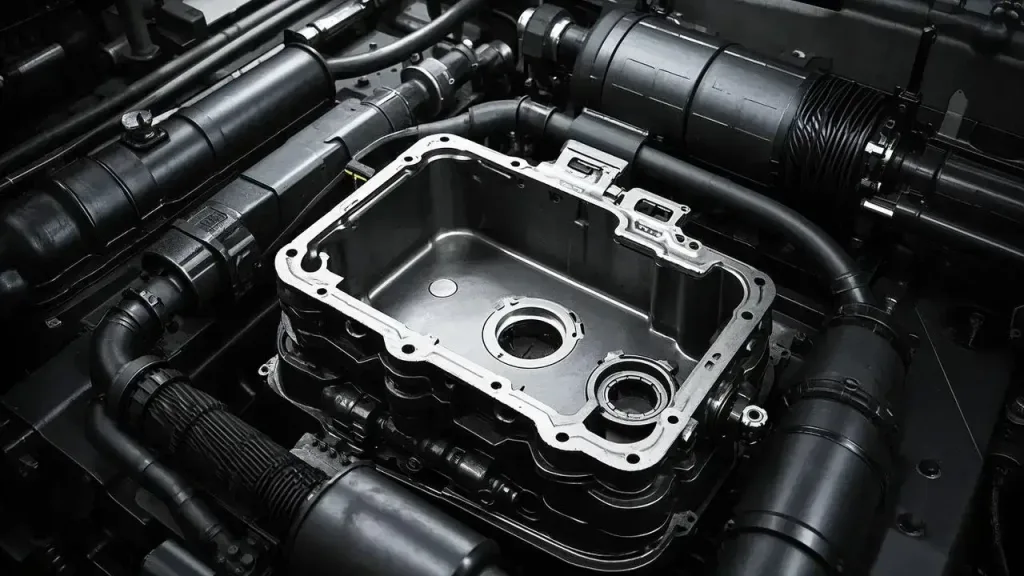
Oil leaks from the oil pan are common, and they can happen for various reasons:
- Worn-Out Gasket: Over time, the gasket that seals the oil pan can deteriorate, leading to leaks.
- Physical Damage: Hitting a curb, speed bump, or debris can crack or dent the oil pan.
- Loose Drain Plug: Improper installation or a worn-out plug can cause oil to seep out.
- Corrosion: Rust and corrosion, especially in older vehicles, can compromise the integrity of the oil pan.
- High Oil Pressure: Excessive pressure can force oil past seals and gaskets.
Identifying the root cause is crucial for effective repairs.
How Much Oil Does an Oil Pan Hold?
The capacity of an oil pan depends on your car’s make and model. On average, oil pans hold between 4 to 8 quarts of oil, but some larger vehicles like trucks or SUVs may require even more. Check your vehicle’s owner manual to find the exact capacity.
How Long Do Oil Pans Last?
Oil pans are built to last, but they’re not indestructible. Under normal conditions, an oil pan can last 10-15 years or even longer. However, factors like driving habits, road conditions, and regular maintenance can impact its lifespan.
Can You Drive With a Damaged Oil Pan?
Technically, you can drive with a damaged oil pan, but it’s a gamble. Here’s why:
- Risk of Oil Leaks: Leaking oil can damage your engine by causing insufficient lubrication.
- Environmental Concerns: Leaking oil can harm the environment.
- Potential Engine Damage: Running out of oil can lead to catastrophic engine failure.
It’s always better to address the issue sooner rather than later.
Different Types of Engine Oil Pans
Not all oil pans are created equal. The type of oil pan your vehicle uses depends on its design:
- Stamped Steel Pans: Common in older vehicles, these are durable but prone to rust.
- Aluminum Oil Pans: Lightweight and corrosion-resistant but more susceptible to cracking.
- Plastic Composite Oil Pans: Found in modern cars, these are lightweight and inexpensive but less durable.
- Dry Sump Systems: High-performance vehicles often use these for better oil management.
Each type has its own pros and cons, which can affect replacement costs.
Benefits of Getting an Oil Pan Replacement
Why bother replacing a damaged oil pan? Here’s what you gain:
- Prevents Oil Leaks: Avoid engine damage and environmental hazards.
- Improves Engine Performance: Ensures proper oil circulation.
- Extends Engine Lifespan: Keeps the engine properly lubricated.
- Avoids Costly Repairs: Addressing oil pan issues early can prevent larger problems.
Investing in an oil pan replacement is ultimately an investment in your vehicle’s longevity.
How Much Does It Cost to Replace an Oil Pan?
The cost to replace an oil pan can vary significantly based on your vehicle’s make and model, labor rates in your area, and the complexity of the job. Here’s a breakdown of typical costs to help you better understand what to expect:
| Cost Component | Price Range | Details |
| Oil Pan (Parts) | $150 – $400 | The price depends on the type of oil pan (steel, aluminum, or plastic composite) and your vehicle model. |
| Labor Costs | $200 – $600 | Labor rates vary based on location and whether your oil pan is easy to access or requires extensive disassembly. |
| Additional Parts | $20 – $50 | Includes gaskets, bolts, and other hardware needed for the replacement. |
| Total Estimated Cost | $350 – $1,000 | The total combines parts and labor for a full oil pan replacement. |
Factors That Influence the Replacement Cost
- Vehicle Type: Luxury and high-performance vehicles often have more expensive oil pans and higher labor costs due to complex designs.
- Location: Labor rates vary geographically, with urban areas typically charging more.
- Type of Oil Pan: Aluminum pans are more expensive to replace than stamped steel pans, while composite pans are usually the cheapest.
- Extent of Damage: If the damage extends beyond the pan to surrounding parts, costs can rise significantly.
Cost Comparison by Vehicle Type
Here’s a quick comparison of average replacement costs for different types of vehicles:
| Vehicle Type | Average Cost | Details |
| Economy Cars | $350 – $600 | Simple designs make these oil pans easier and cheaper to replace. |
| SUVs and Trucks | $400 – $800 | Larger oil capacities and more complex designs increase costs. |
| Luxury Vehicles | $700 – $1,200 | Premium parts and higher labor rates for intricate systems drive up the total cost. |
Replacing an oil pan is an investment in your vehicle’s longevity. While the cost may seem steep, addressing oil pan issues promptly prevents far more expensive engine repairs down the line.
How to Replace an Oil Pan
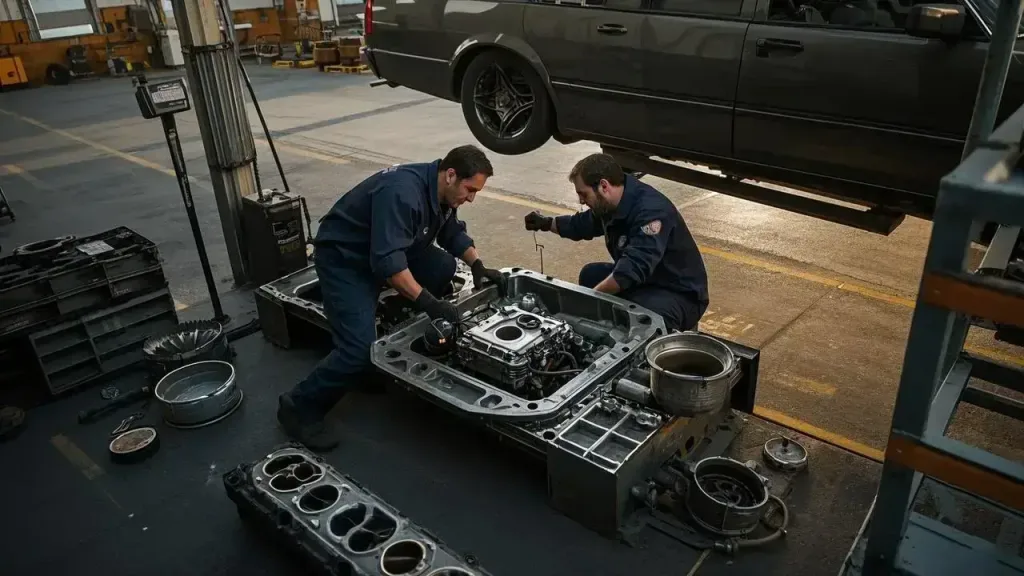
Replacing an oil pan is a detailed process that typically involves these steps:
- Drain the Oil: Remove all engine oil from the system.
- Remove Mounting Bolts: Carefully unbolt the oil pan from the engine.
- Clean the Surface: Remove any old gasket material and clean the area.
- Install New Gasket: Place the new gasket onto the oil pan.
- Reattach the Oil Pan: Bolt the new or repaired pan back into place.
- Refill with Oil: Add fresh engine oil and check for leaks.
It’s a task best left to professionals unless you’re confident in your mechanical skills.
How Are Oil Pan Issues Diagnosed?
Mechanics diagnose oil pan problems through:
- Visual Inspections: Checking for cracks or leaks.
- Pressure Tests: Verifying the oil system’s integrity.
- Fluid Analysis: Identifying contaminants in the oil.
- Diagnostic Scans: Detecting engine warnings related to low oil pressure.
Preventing Future Oil Pan Leaks
Prevention is better than cure. Here’s how to keep your oil pan in good shape:
- Regular Oil Changes: Prevent sludge buildup that can strain the oil pan.
- Avoid Rough Roads: Minimize driving on uneven or debris-filled roads.
- Check the Drain Plug: Ensure it’s tight after every oil change.
- Inspect for Rust: Treat any signs of corrosion early.
Maintenance of an Engine Oil Pan
Routine maintenance can extend the life of your oil pan. This includes:
- Cleaning: Wipe down the exterior during oil changes.
- Inspecting Seals and Gaskets: Look for wear and tear regularly.
- Replacing Damaged Components: Don’t delay replacing worn-out gaskets or bolts.
RepairPal Recommendations for Oil Pan Issues
RepairPal advises vehicle owners to:
- Address leaks immediately to avoid costly engine damage.
- Use high-quality replacement parts for long-term reliability.
- Work with certified mechanics to ensure proper installation.
Frequently Asked Questions
1. Can I repair a cracked oil pan instead of replacing it?
Yes, minor cracks can sometimes be repaired with epoxy or welding, but replacement is recommended for severe damage.
2. How long does it take to replace an oil pan?
Typically, it takes 2 to 4 hours, depending on the complexity.
3. Can an oil pan replacement be a DIY job?
If you have experience with car repairs and the necessary tools, it’s possible. However, it’s a challenging task for beginners.
4. What happens if I ignore a leaking oil pan?
Ignoring leaks can lead to oil starvation, engine overheating, and potentially complete engine failure.
5. Do I need to replace the oil pan gasket with the pan?
Yes, replacing the gasket is essential to ensure a proper seal and prevent future leaks.
Final Thoughts
The oil pan may not be a glamorous car part, but it’s undeniably important. Recognizing the signs of damage and addressing issues promptly can save you from expensive repairs down the line. Whether you opt for a repair or replacement, maintaining your oil pan is key to a healthy, long-lasting engine.



Add comment