

How much does it cost to replace a head gasket?
The head gasket is a crucial component of your vehicle’s engine, acting as a seal between the engine block and the cylinder head. A failing head gasket can lead to significant engine damage if not addressed promptly. But one of the most common questions car owners ask is: How much does it cost to replace a head gasket? This article will break down everything you need to know, from the role of the head gasket to the costs associated with its replacement, and how to potentially reduce those costs.
What Is a Head Gasket?
The head gasket is a critical component of your engine, serving as the seal between the engine block and the cylinder head. Its primary function is to maintain the separation of three vital engine fluids: coolant, oil, and the air-fuel mixture. By keeping these fluids separate and sealing the combustion chamber, the head gasket ensures that your engine operates efficiently and safely.
When the head gasket fails, these fluids can mix, leading to a host of problems including engine overheating, loss of compression, and significant internal damage. Given its crucial role, the head gasket is one of the most important parts of your engine, and a failure can lead to severe consequences if not addressed promptly.
Is a Head Gasket the Same as a Valve Cover Gasket?
It’s important to note that a head gasket is not the same as a valve cover gasket. While both serve to seal different parts of the engine, they are distinct components with different functions.
- Head Gasket: Seals the cylinder head to the engine block and prevents leakage between the cylinders and other components of the engine.
- Valve Cover Gasket: Sits atop the cylinder head and seals the valve cover to prevent oil leaks from the top of the engine.
A leaking valve cover gasket typically results in oil seeping out of the engine, which is less severe than a blown head gasket but still requires attention. It’s crucial to understand the difference, as the costs and complexities of replacing these gaskets vary significantly.
Signs of a Failing Head Gasket
Recognizing the early signs of a failing head gasket can save you a lot of trouble and money down the road. Here are some common symptoms to watch out for:
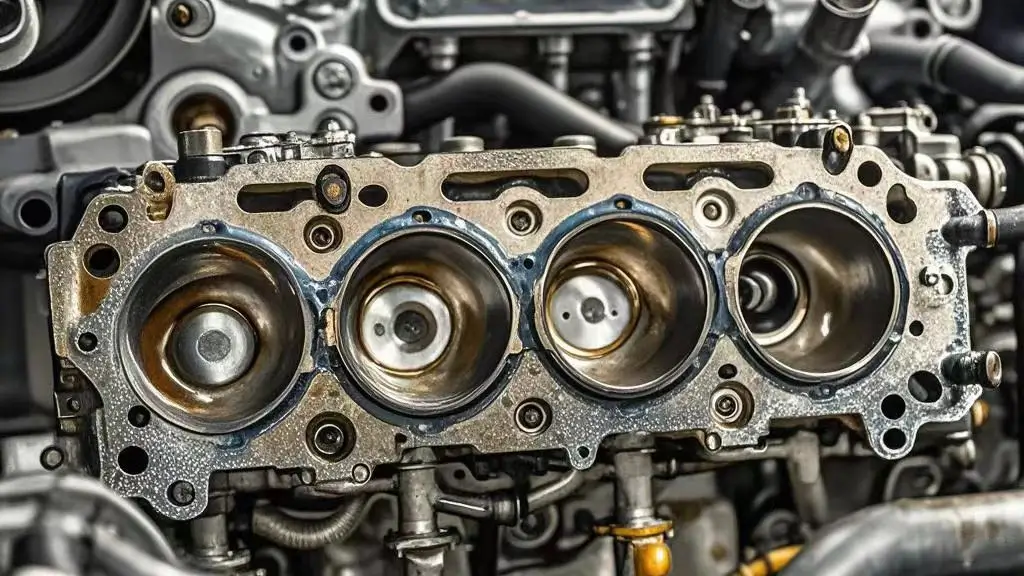
1. Overheating Engine
One of the most noticeable signs of a head gasket problem is engine overheating. If the gasket is damaged, it might allow coolant to leak into the combustion chamber, reducing the cooling system’s effectiveness.
2. White Smoke from the Exhaust
If you notice thick, white smoke coming from your exhaust, it could indicate that coolant is leaking into the combustion chamber and being burned along with the fuel.
3. Milky Oil
When the head gasket fails, coolant can mix with the engine oil, resulting in a milky substance under the oil cap or on the dipstick. This mixture is a clear sign that something is wrong and needs immediate attention.
4. Loss of Power
A failing head gasket can lead to a loss of compression in the engine, resulting in reduced power, poor fuel efficiency, and overall sluggish performance.
5. Bubbles in the Radiator or Coolant Reservoir
If you notice bubbles in the radiator or coolant reservoir while the engine is running, it could be due to exhaust gases leaking into the cooling system, which is another sign of a failing head gasket.
How Much Does It Cost to Replace a Head Gasket?
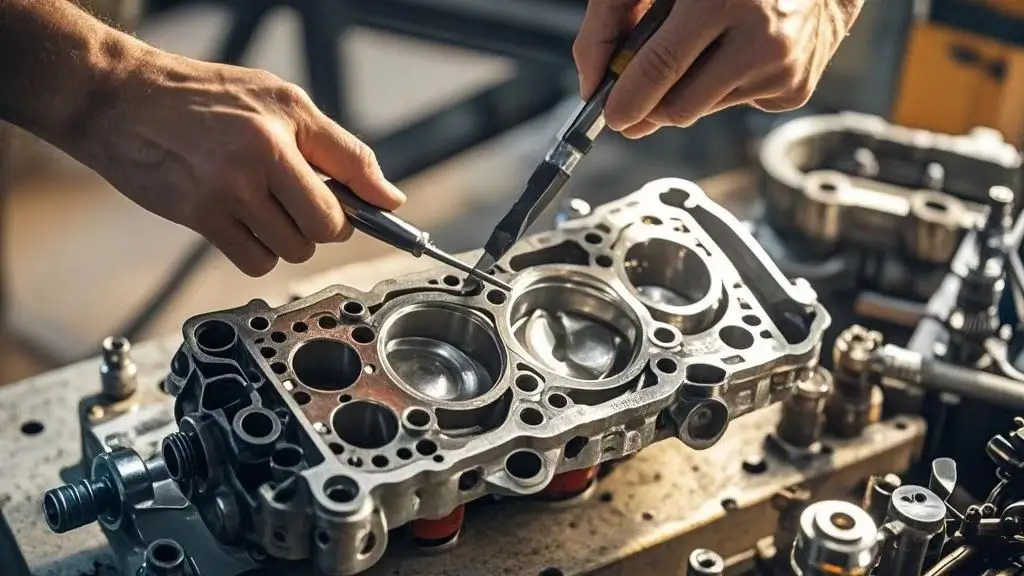
Replacing a head gasket is a labor-intensive process, and as a result, it can be quite expensive. The cost varies depending on several factors, including the make and model of your vehicle, the extent of the damage, and labor rates in your area.
1. Labor Costs
Labor is the most significant component of the head gasket replacement cost. Since replacing a head gasket requires disassembling a large portion of the engine, it can take anywhere from 6 to 12 hours or more. Labor rates typically range from $70 to $150 per hour, depending on your location and the shop you choose.
- Estimated Labor Cost: $700 to $1,800
2. Parts Costs
The cost of parts for a head gasket replacement can also vary. A new head gasket set, which includes the head gasket and other necessary gaskets and seals, usually costs between $200 and $400. In some cases, additional parts like head bolts (which often must be replaced during the repair) and other components might be required, adding to the total cost.
- Estimated Parts Cost: $200 to $400
3. Total Replacement Cost
Considering both labor and parts, the total cost for a head gasket replacement can range from $900 to $2,500 or more. Luxury vehicles, high-performance engines, or cars with complex engine designs can push the cost higher, sometimes exceeding $3,000.
- Total Estimated Cost: $900 to $2,500+
Can Catching Head Gasket Leaks Early Reduce Costs?
Absolutely. Catching a head gasket leak early can significantly reduce the repair costs and prevent further engine damage. If you notice any of the signs mentioned earlier, it’s crucial to get your vehicle inspected as soon as possible.
1. Prevent Further Damage
A small head gasket leak can quickly escalate if left unchecked, leading to more extensive damage that may require a complete engine rebuild or replacement, which can cost thousands of dollars.
2. Lower Repair Costs
Addressing the issue early on might allow for less invasive repairs, such as simply replacing the head gasket and flushing the cooling system, rather than dealing with the aftermath of a severely overheated engine.
How is a Head Gasket Replaced?
Replacing a head gasket is a complex procedure that requires significant expertise and tools. Here’s a simplified overview of the process:
Disassembly: The mechanic begins by removing the engine head, which involves disconnecting several components like the intake manifold, exhaust manifold, timing chain or belt, and various hoses and electrical connections.
Inspection and Cleaning: Once the head is removed, the surfaces are thoroughly cleaned, and the head and engine block are inspected for warping or damage. If the head or block is warped, machining may be necessary.
Replacing the Gasket: The new head gasket is carefully placed, and the engine head is reinstalled, usually with new head bolts.
Reassembly: All previously removed components are reinstalled, and the engine is reassembled.
Testing: Finally, the engine is tested to ensure the repair was successful and there are no leaks.
Tips for Avoiding Head Gasket Issues
Preventing head gasket issues is all about proper engine care and maintenance. Here are some tips to help avoid costly repairs:
- Regular Maintenance: Follow your vehicle’s maintenance schedule, including regular oil changes and coolant flushes.
- Monitor Engine Temperature: Keep an eye on your temperature gauge. If it starts to creep into the red, take immediate action.
- Use Quality Fluids: Always use the manufacturer-recommended fluids for your engine.
- Avoid Overheating: Don’t push your engine too hard in extreme conditions, like towing heavy loads or driving in excessive heat.
Conclusion
A head gasket replacement is a significant repair, but understanding the costs, processes, and prevention strategies can help you manage it more effectively. By staying vigilant and addressing issues early, you can minimize the impact on your wallet and keep your engine running smoothly for years to come.
Head Gasket Replacement Cost: FAQ
1. Can I drive with a blown head gasket?
- Driving with a blown head gasket is not advisable. It can lead to severe engine damage and potentially leave you stranded.
2. Is it worth fixing a head gasket?
- In most cases, yes. If the rest of the engine is in good condition, replacing the head gasket can extend the life of your vehicle.
3. How long does a head gasket replacement take?
- The replacement process usually takes between 6 and 12 hours, depending on the complexity of the engine and the mechanic’s experience.
4. Can a head gasket fail without warning?
- While it’s possible, most head gasket failures are preceded by symptoms like overheating, white smoke, or milky oil.
5. How often should a head gasket be replaced?
- Head gaskets are designed to last the lifetime of the engine, but factors like overheating, poor maintenance, and age can lead to premature failure. Regular maintenance is key to avoiding replacement.



Add comment