

What does an oil pump do?
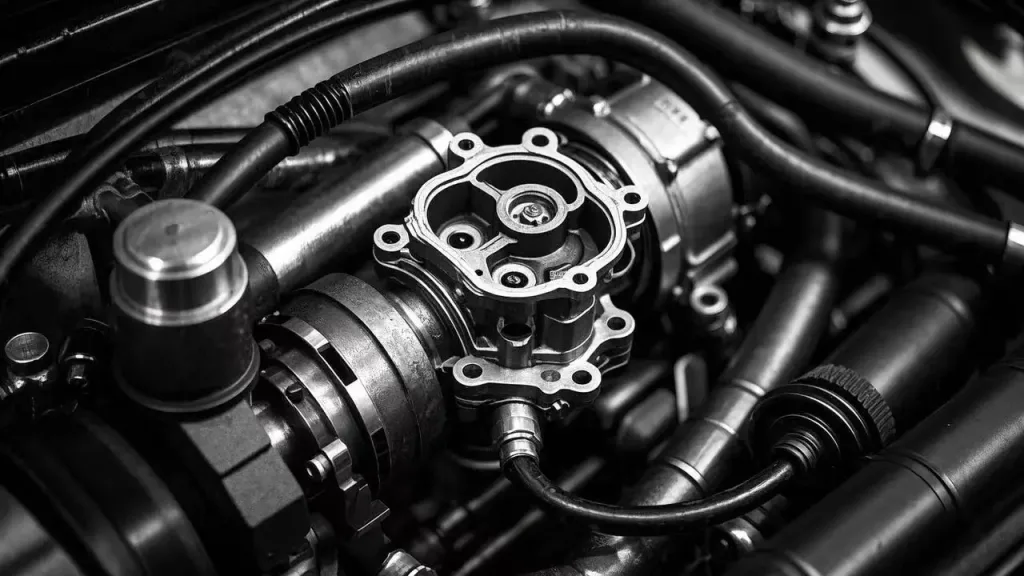
The oil pump is like the heart of your vehicle’s engine, pumping oil to all the moving parts to keep them running smoothly. Just as your heart circulates blood to nourish and protect your body, the oil pump ensures that the engine components stay well-lubricated, reducing friction and preventing overheating. If the oil pump fails, your engine would face rapid wear and could suffer severe damage, potentially leading to costly repairs or even complete engine failure.
In this article, we’ll take a closer look at the vital role the oil pump plays in maintaining engine health, the key components that make it work, and how it helps your engine perform at its best. We’ll also discuss the warning signs that could indicate your oil pump is in trouble, so you can take action before things go wrong and keep your engine running smoothly for years to come.
What is an Oil Pump?
An oil pump is a mechanical device in your car’s engine responsible for circulating oil throughout the engine. Its primary functions include:
- Ensuring consistent oil flow to lubricate moving components.
- Maintaining adequate oil pressure to prevent metal-on-metal contact.
- Assisting in engine cooling by reducing friction and carrying heat away from engine parts.
The oil pump is typically located near the bottom of the engine, inside the oil pan or mounted on the timing cover, depending on the engine design.
What Are The Components Of An Oil Pump?
An oil pump consists of several key components that work together to circulate oil efficiently:
- Pump Body: Houses the internal mechanisms and provides structural support.
- Gears or Rotors: Commonly found in gear or rotor-type oil pumps, these components create the suction and pressure needed to move oil.
- Pressure Relief Valve: Regulates oil pressure to prevent excessive force, which could damage engine seals or components.
- Drive Shaft: Transfers motion from the crankshaft or camshaft to operate the pump.
- Oil Pickup Tube: Sits in the oil pan and delivers oil from the sump to the pump.
How Does it Work?
The oil pump plays a central role in maintaining the engine’s health by ensuring that oil circulates properly throughout the engine. Here’s how it works step by step:
1. Oil Pickup
The process begins when the engine starts. The oil pump draws oil from the oil pan, which holds the engine oil at the bottom of the engine. Using a component called the pickup tube, the pump pulls oil from the sump (the bottom part of the oil pan) and directs it into the pump.
2. Oil Pressurization
Once the oil enters the pump, it’s forced through the internal components, typically gears or rotors, which create pressure. This action builds up the pressure required to push the oil through the engine’s oil passages. The oil pump works to maintain this pressure to ensure the oil reaches all of the engine’s vital components.
3. Oil Distribution
The pressurized oil then travels through the engine’s oil galleries, which are a network of passages designed to deliver oil to critical parts such as the crankshaft, camshaft, pistons, valves, and other moving engine components. These components rely on a steady flow of oil to remain lubricated and avoid friction-related damage.
4. Lubrication and Cooling
As the oil flows through the engine, it lubricates moving parts, reducing friction and helping to keep the engine cool. The oil also absorbs heat generated by the engine’s operation, assisting in heat dissipation to prevent overheating.
5. Pressure Regulation
To ensure that the oil pressure stays within safe limits, the oil pump is equipped with a pressure relief valve. This valve opens if the oil pressure becomes too high, allowing excess oil to flow back into the oil pan. If the pressure is too low, the relief valve stays closed to maintain proper oil circulation.
6. Recirculation
After lubricating and cooling the engine’s parts, the oil flows back to the oil pan to be recirculated. This continuous process helps keep the engine lubricated, reduces wear, and ensures optimal performance.
In summary, the oil pump is a crucial part of the engine’s lubrication system. By pressurizing and circulating oil throughout the engine, it minimizes friction, prevents overheating, and keeps all of the engine’s moving parts functioning smoothly.
What to Look Out for in Servicing Your Oil Pump
Maintaining your oil pump is vital to your engine’s health. Key considerations include:
- Oil Changes: Use the correct oil type and change it at recommended intervals. Dirty or incorrect oil can clog the pump or reduce efficiency.
- Check Oil Pressure: Monitor the oil pressure gauge or warning light. A drop in pressure can indicate pump or system issues.
- Inspect for Leaks: Check for oil leaks around the oil pan or pump area, which could indicate a failing pump seal or gasket.
- Unusual Noises: Whining or clattering sounds from the engine may point to an oil pump problem.
- Regular Service: During routine maintenance, have the oil pump inspected for wear or damage, especially in high-mileage vehicles.
What Causes a Bad Oil Pump?
Several factors can lead to oil pump failure:
- Wear and Tear: Over time, the internal gears or rotors can wear down, reducing the pump’s ability to maintain pressure.
- Contaminated Oil: Dirt, sludge, or metal shavings in the oil can damage the pump’s internal components.
- Low Oil Levels: Insufficient oil can cause the pump to run dry, leading to overheating and damage.
- Improper Maintenance: Neglecting oil changes or using the wrong oil type can increase the risk of pump failure.
- Mechanical Failures: A broken drive shaft or malfunctioning relief valve can render the pump inoperable.
Summary
The oil pump is a vital part of your engine, ensuring proper lubrication and preventing costly damage. Regular maintenance, such as timely oil changes and monitoring oil pressure, is essential to keeping your oil pump in good working condition. Understanding its components and operation can help you recognize early signs of trouble and avoid major repairs.
FAQ
Q: How long does an oil pump last?
A: With proper maintenance, an oil pump can last the lifetime of your vehicle, though high-mileage engines may require replacement.
Q: Can I drive with a bad oil pump?
A: No. Driving with a failing oil pump risks severe engine damage due to lack of lubrication.
Q: How much does it cost to replace an oil pump?
A: The cost ranges from $300 to $1,000, depending on your vehicle and labor rates.
Q: How can I tell if my oil pump is failing?
A: Common symptoms include low oil pressure, engine overheating, unusual noises, or an illuminated oil pressure warning light.
Q: Is it difficult to replace an oil pump?
A: Replacing an oil pump is labor-intensive and requires significant engine disassembly, so it’s best left to a professional mechanic.



Add comment