

What Does a Valve Lifter Do?
If you’ve ever dug into the inner workings of an engine, you may have come across the term “valve lifter.” While it might seem like just another small part in the vast array of engine components, the valve lifter plays a crucial role in your engine’s performance and overall functionality. In this blog post, we’ll explore what a valve lifter does, how it works, the different types available, and why it’s essential to keep them in good working condition.
What Is a Valve Lifter?
A valve lifter, also known as a tappet or cam follower, is a small but vital component in an internal combustion engine’s valve train. It is located between the camshaft and the pushrod (in pushrod engines) or between the camshaft and the valve stem (in overhead camshaft engines). The valve lifter’s main job is to transfer the camshaft’s rotational motion into the linear motion that opens and closes the engine’s valves.
Types of Valve Lifters
Valve lifters are crucial components in an engine’s valve train, and they come in several types, each tailored to specific engine needs and performance goals:
Solid Lifters (Mechanical Lifters):
Solid lifters are basic, robust components with no internal mechanism to automatically adjust for valve clearance. Because they don’t self-adjust, they require regular manual adjustments to maintain the correct valve clearance, also known as valve lash. This type of lifter is commonly found in high-performance engines, where precise valve timing is critical, particularly at higher RPMs. Solid lifters are favored in racing and performance applications because they offer greater stability at high engine speeds, though they do demand more frequent maintenance.
Hydraulic Lifters:
Hydraulic lifters are widely used in modern engines due to their ability to automatically adjust for valve clearance using engine oil pressure. Inside each hydraulic lifter is a small piston and an oil-filled chamber. As the engine operates, oil pressure adjusts the lifter’s position, ensuring that the correct valve clearance is maintained without the need for regular adjustments. This self-adjusting feature not only reduces maintenance but also contributes to quieter engine operation. Hydraulic lifters are ideal for most passenger vehicles, providing a balance of performance, reliability, and ease of maintenance.
Roller Lifters:
Roller lifters are designed with a small roller at the point where the lifter contacts the camshaft. This roller reduces friction between the lifter and the camshaft lobe, resulting in less wear on both components and allowing for smoother engine operation. Roller lifters can be either solid or hydraulic, combining the benefits of reduced friction with the specific advantages of each lifter type. These lifters are often used in high-performance and racing engines, where minimizing friction and wear is critical for both durability and performance, especially under high-stress conditions.
Flat Tappet Lifters:
Flat tappet lifters have a flat surface that rides directly on the camshaft lobe. While they are simpler in design compared to roller lifters, they rely heavily on proper lubrication to prevent wear. Flat tappet lifters can be found in both solid and hydraulic versions. Although they are less expensive and simpler, they require specific engine oil with the right additives to protect against wear, particularly during engine break-in. These lifters were commonly used in older engines and are still prevalent in certain performance engines.
How Does a Valve Lifter Work?
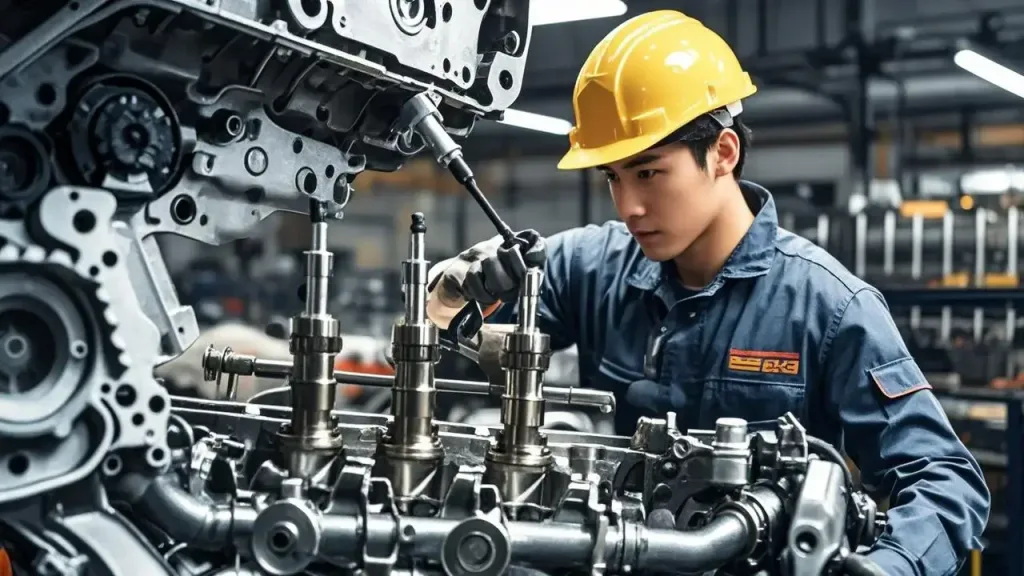
The operation of a valve lifter is relatively straightforward but vital to the engine’s valve timing.
Camshaft Interaction
As the camshaft rotates, its lobes push against the valve lifters. The lifter follows the contour of the cam lobe, converting the rotational motion of the camshaft into an upward and downward motion. This motion is then transferred to the pushrod (in pushrod engines) or directly to the valve stem (in overhead camshaft engines).
Opening and Closing Valves
When the lifter is pushed up by the camshaft, it opens the corresponding valve by pushing on the pushrod or valve stem. This allows the air-fuel mixture to enter the combustion chamber (intake valve) or exhaust gases to exit (exhaust valve). Once the cam lobe moves away, the valve lifter lowers, and the valve closes, completing the cycle.
Hydraulic Lifters and Self-Adjustment
Hydraulic lifters contain an internal piston and oil chamber. As the engine operates, oil pressure fills the chamber, allowing the lifter to adjust automatically for any valve clearance. This self-adjustment helps maintain optimal valve timing and reduces valve train noise, improving overall engine efficiency.
Why Are Valve Lifters Important?
Valve lifters are crucial for the smooth operation of your engine. They ensure that the valves open and close at precisely the right time, maintaining the engine’s compression and exhaust cycles.
Engine Performance
Properly functioning valve lifters are essential for optimal engine performance. If the lifters aren’t working correctly, the engine’s timing will be off, leading to poor performance, reduced fuel efficiency, and potential engine damage.
Noise Reduction
Hydraulic lifters are particularly effective at reducing valve train noise. Without the need for manual adjustment, they help maintain a quieter engine operation, which is especially important in passenger vehicles.
Longevity of Engine Components
By maintaining correct valve timing and reducing friction between the camshaft and other components, valve lifters contribute to the longevity of the engine. Properly functioning lifters help prevent premature wear of the camshaft, pushrods, and valves.
Signs of a Bad Valve Lifter
Like any engine component, valve lifters can wear out or fail over time. Here are some common signs that your valve lifters may need attention:
1. Ticking or Tapping Noise
A persistent ticking or tapping noise from the engine, especially when the engine is cold, is a common sign of a failing valve lifter. This noise occurs when the lifter isn’t properly lifting the valve, causing a gap between the lifter and the camshaft or pushrod.
2. Poor Engine Performance
If the valve lifters aren’t functioning correctly, the engine’s timing can be thrown off. This can lead to rough idling, reduced power, misfires, and decreased fuel efficiency.
3. Check Engine Light
A failing valve lifter can trigger the check engine light, especially if it leads to issues with valve timing or combustion. A diagnostic scan can help identify if the lifter is the source of the problem.
4. Increased Exhaust Emissions
Faulty valve lifters can result in incomplete combustion, leading to higher exhaust emissions. This may cause your vehicle to fail an emissions test or produce noticeable smoke from the exhaust.
How to Maintain Valve Lifters
Maintaining your valve lifters is essential for keeping your engine running smoothly and efficiently.
Regular Oil Changes
One of the simplest and most effective ways to maintain valve lifters is by following your vehicle’s recommended oil change intervals. Clean, high-quality oil ensures that hydraulic lifters function properly and reduces wear on mechanical lifters.
Use the Right Oil
Using the correct type and grade of oil as specified by your vehicle’s manufacturer is crucial. Some engines, particularly those with hydraulic lifters, are sensitive to oil viscosity and additives.
Periodic Inspections
If your engine uses solid lifters, regular inspections and adjustments are necessary to maintain proper valve clearance. Ignoring these adjustments can lead to excessive wear and noise.
Avoid Prolonged Idling
Prolonged idling can lead to insufficient oil flow to the valve train, which can cause premature lifter wear. Try to minimize long periods of idling, especially in older vehicles.
Can You Replace Valve Lifters Yourself?
Replacing valve lifters is a complex task that requires a good understanding of your engine’s valve train. Here’s what you need to know:
DIY Valve Lifter Replacement
If you’re experienced with engine repairs and have the necessary tools, replacing valve lifters is possible. The process typically involves:
- Removing the Valve Cover: This gives you access to the valve train components, including the lifters.
- Inspecting the Components: Before replacing the lifters, inspect the camshaft, pushrods, and valves for wear or damage.
- Replacing the Lifters: Remove the old lifters and install the new ones, ensuring they are properly seated and lubricated.
- Reassembling the Engine: Once the new lifters are in place, reassemble the engine and adjust the valve clearance if necessary.
When to Seek Professional Help
If you’re not comfortable working on your engine, or if your engine has hydraulic lifters that are difficult to access, it’s best to have a professional mechanic handle the replacement. Incorrect installation can lead to significant engine damage, so it’s essential to ensure the job is done correctly.
Conclusion
Valve lifters may be small components, but they play a vital role in your engine’s operation. By converting the camshaft’s rotational motion into the linear movement needed to open and close the valves, lifters help maintain proper valve timing, reduce engine noise, and extend the life of your engine. Regular maintenance, including timely oil changes and inspections, can help keep your valve lifters in good condition and prevent costly engine repairs down the road. If you suspect an issue with your valve lifters, it’s important to address it promptly to keep your engine running smoothly.
FAQs
1. How often should valve lifters be replaced?
Valve lifters don’t have a specific replacement interval and can last the lifetime of the engine if properly maintained. However, they should be inspected regularly, especially in high-mileage vehicles.
2. What causes valve lifters to fail?
Valve lifters can fail due to insufficient lubrication, excessive wear, or poor maintenance. Using the wrong type of oil can also cause hydraulic lifters to malfunction.
3. Can a bad valve lifter damage the engine?
Yes, a bad valve lifter can lead to improper valve timing, which can cause poor engine performance, increased wear on the camshaft and valves, and potentially significant engine damage if left unaddressed.
4. Are hydraulic lifters better than solid lifters?
Hydraulic lifters are more common in modern engines because they automatically adjust for valve clearance, reducing maintenance needs and noise. Solid lifters, however, are preferred in high-performance engines for their reliability at high RPMs.
5. How much does it cost to replace valve lifters?
The cost of replacing valve lifters can vary widely, ranging from $300 to $1,500 or more, depending on the engine type, labor rates, and whether other components need to be replaced.



Add comment