

How Much Does It Cost To Replace A Valve Cover Gasket?
Oil leaks, burning smells, or even engine misfires—these are all telltale signs that your valve cover gasket might need some attention. While it’s a relatively small part of your engine, a bad gasket can lead to some big problems if left unchecked. In this blog, we’ll break down what a valve cover gasket does, when to replace it, and most importantly, how much it’ll cost you to fix.
What Is a Valve Cover Gasket?
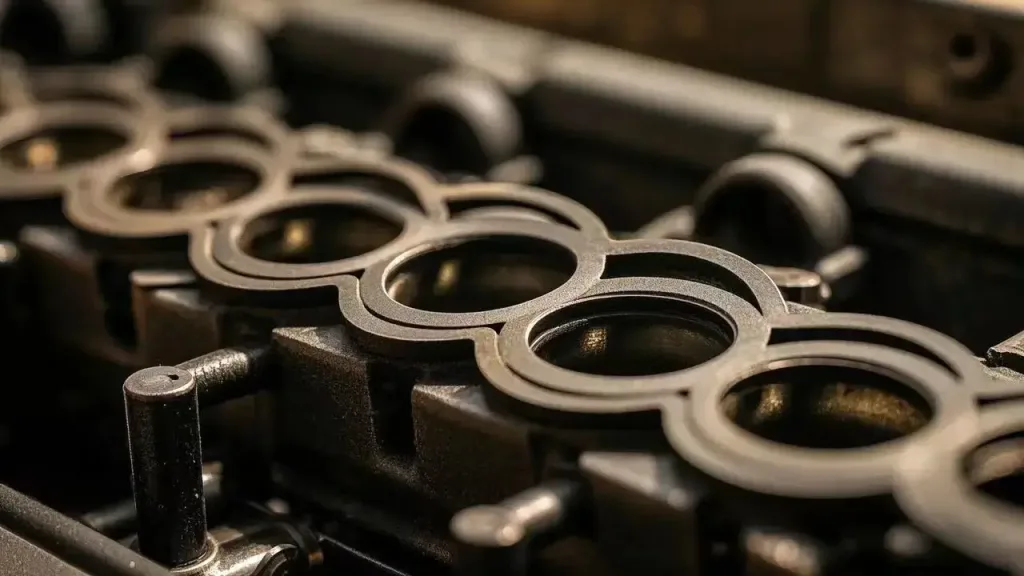
A valve cover gasket is a critical seal that sits between the valve cover and the cylinder head. Its job is simple but essential: keep engine oil inside where it belongs and prevent debris from getting in. Usually made of rubber or cork, this gasket is exposed to constant heat, pressure, and vibrations, which cause it to wear out over time.
Think of it as the guardian of your engine’s top end—when it fails, oil starts leaking, and that can lead to a host of other issues.
Signs of a Faulty Valve Cover Gasket
How do you know if your valve cover gasket is giving up on you? Here are some common symptoms to watch out for:
- Oil Leaks: If you see oil pooling around the valve cover or dripping onto other engine parts, it’s a red flag.
- Burning Smell: Leaking oil that lands on a hot exhaust manifold can create a distinct, unpleasant burning smell.
- Misfiring Engine: Oil leaking into the spark plug wells can cause engine misfires and affect performance.
- Low Oil Levels: If you’re constantly topping off your oil, a faulty gasket might be the culprit.
- Check Engine Light: In some cases, your car’s computer may detect performance issues caused by the leak and trigger a warning light.
When Should You Replace Your Valve Cover Gasket?
You should replace your valve cover gasket as soon as you notice leaks or other related issues. While it might not seem urgent, delaying the repair can lead to:
- Engine oil starvation, which can cause severe engine damage.
- Increased risk of engine fires if oil leaks onto hot components.
- Worsened leaks, leading to higher repair costs down the line.
On average, a valve cover gasket lasts between 50,000 and 100,000 miles, but driving conditions and maintenance habits can impact its lifespan.
How Much Does It Cost to Replace a Valve Cover Gasket?
The cost of replacing a valve cover gasket depends on your vehicle type, labor costs, and whether you tackle the job yourself or hire a professional. Below is a breakdown to give you an idea:
| Expense Type | DIY Replacement | Professional Replacement |
| Parts (Valve Cover Gasket) | $20–$100 | Included in the total cost |
| Labor Costs | $0 | $100–$300 |
| Additional Supplies | $10–$20 (cleaners, tools, sealant, etc.) | $0 |
| Total Estimated Cost | $30–$120 | $120–$400 |
Factors That Impact the Cost:
· Vehicle Make & Model:
Luxury or performance vehicles may require specialized gaskets and more labor-intensive procedures, increasing the cost.
· Labor Rates by Location:
Labor costs vary widely depending on where you live. Rates in metropolitan areas tend to be higher than in smaller towns.
· Engine Design:
Easier-to-access engines will reduce labor time, making the replacement less expensive.
· DIY Experience:
If you have the right tools and a bit of mechanical know-how, opting for a DIY approach can save you hundreds of dollars.
Whether you opt for professional help or tackle the job yourself, addressing a leaking valve cover gasket promptly is crucial to preventing further engine damage!
Steps for Valve Cover Gasket Replacement
If you’re mechanically inclined and want to tackle this repair yourself, here’s an overview of the process:
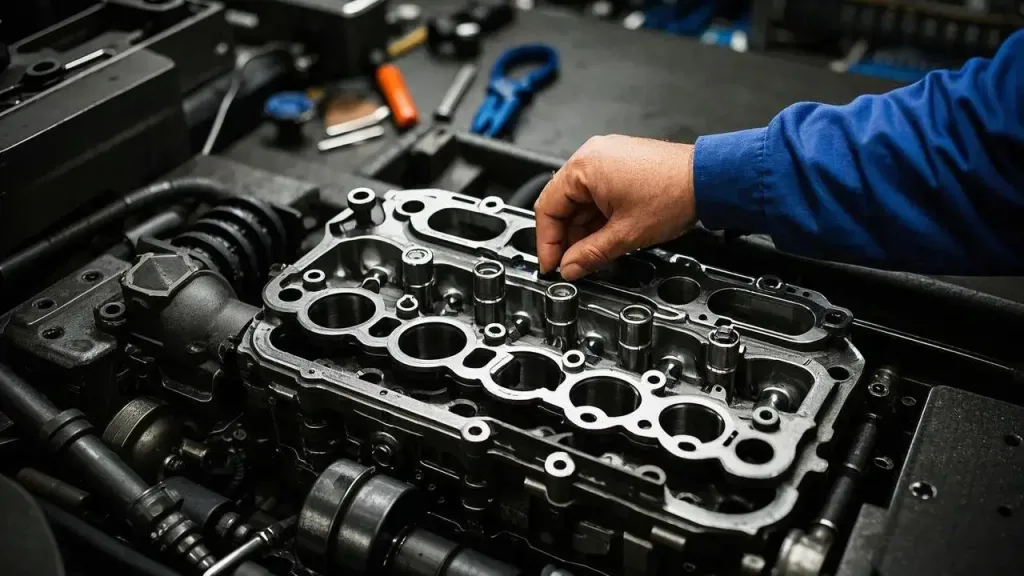
- Gather Your Tools and Materials: You’ll need a replacement gasket, socket set, torque wrench, gasket sealant (if needed), and cleaning supplies.
- Remove the Valve Cover: Disconnect any components in the way, such as spark plug wires or hoses, and carefully unbolt the valve cover.
- Clean the Surfaces: Scrape off any remnants of the old gasket and thoroughly clean the valve cover and cylinder head mating surfaces.
- Install the New Gasket: Place the new gasket on the valve cover and apply sealant if recommended by the manufacturer.
- Reinstall the Valve Cover: Bolt the cover back in place, torquing the bolts to the specified settings in your vehicle’s manual.
- Reconnect Components: Reattach everything you removed earlier, and you’re good to go.
Pro Tip: Take your time cleaning and positioning the gasket. A proper seal ensures you won’t be revisiting this repair anytime soon!
How Long Can a Vehicle With a Leaking Valve Cover Gasket Be Driven?
Technically, you can drive with a leaking valve cover gasket, but it’s not advisable. The longer you drive, the greater the risk of:
- Oil starvation leading to catastrophic engine damage.
- Overheating from oil loss.
- A fire hazard if oil leaks onto hot components.
If you spot a leak, address it as soon as possible to avoid more serious (and expensive) problems.
Get a Wanasign Valve Cover Gasket
Are you in search of high-quality valve cover gaskets? Look no further! At Wanasign, we offer a wide range of premium replacement gaskets designed for various makes and models of vehicles. Our gasket materials include silicone, cork, ACM, NBR, Viton, and more, ensuring a perfect fit and excellent durability. We provide auto parts for manufacturers like GM, Toyota, Jeep, Honda, and many others.
Wanasign has been a trusted name in the auto parts industry since 2013. Our gasket kits are celebrated globally for their exceptional quality and longevity. Whether you’re a driver, business owner, or vehicle enthusiast, our gaskets provide unmatched reliability to keep your engine running smoothly.
Wanasign is committed to delivering top-notch products at reasonable prices. Our mission is to help vehicle owners reduce long-term maintenance costs without compromising on quality. When you choose Wanasign, you choose reliability, performance, and value.
Discover our range of valve cover gaskets today and experience the Wanasign difference!
Contact Us:service@wanasignauto.com
Summary
The valve cover gasket may not be the most glamorous part of your engine, but it’s one of the most important for keeping your engine running smoothly. Replacing it at the first sign of trouble will save you money and prevent further engine damage. Whether you decide to DIY or hire a professional, make sure to address this issue promptly—it’s a small fix that can make a big difference.
FAQ
1. Can I drive with a leaking valve cover gasket?
Yes, but it’s not recommended. Prolonged driving can lead to engine damage or even fires.
2. How often should I replace my valve cover gasket?
Most last 50,000–100,000 miles, but inspect them during regular maintenance.
3. Is it hard to replace a valve cover gasket?
Not really! With the right tools and a bit of patience, it’s a manageable DIY project for most car enthusiasts.


Add comment