
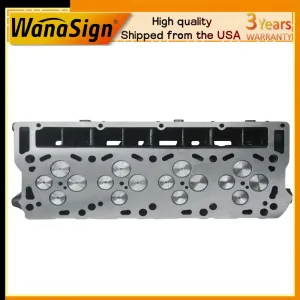

18mm Cylinder Head Assembly For Ford F-450 F550 Powerstroke Super Duty Trucks 6.0L 2003-2007
Original price was: $440.66.$423.99Current price is: $423.99.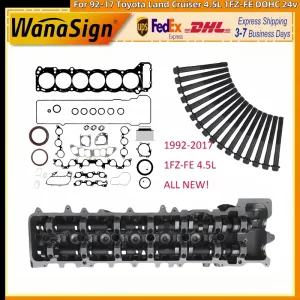
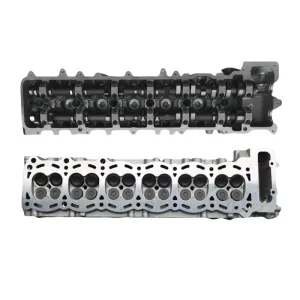
1FZ-FE 4.5L Cylinder Head Assembly Gasket Set Bolts For 1992-2017 Toyota Land Cruiser
Original price was: $1,500.00.$1,377.50Current price is: $1,377.50.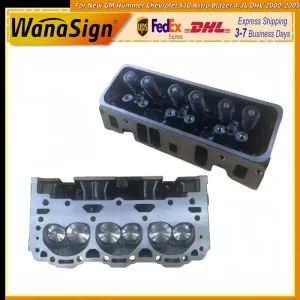
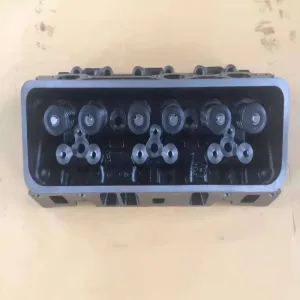
2 x New Cylinder Head For 2000-2005 GM Hummer Chevy S10 Astro Blazer Savana 4.3L OHV
Original price was: $821.99.$756.99Current price is: $756.99.

2AZ-FE 2AZ 2.4L Long Block Engine Assembly For 2002-2014 Toyota Camry Highlander
Original price was: $2,522.99.$2,399.99Current price is: $2,399.99.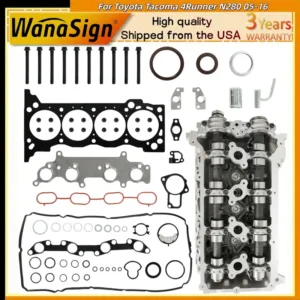
2TR-FE 2.7 Gasket Timing Cylinder Head Assy For Toyota Tacoma 4Runner N280 05-16
Original price was: $619.99.$589.99Current price is: $589.99.

2TR-FE 2.7L Long Block Cylinder Engine Assembly For Toyota Tacoma 2005-2015 GAS
Original price was: $3,399.99.$2,989.99Current price is: $2,989.99.

306DT 3.0T TDV6 Long Block Engine Assembly For 2013-2021 Land Rover Range X250 Diesel
Original price was: $6,799.99.$5,500.00Current price is: $5,500.00.

306PS AJ126 3.0L Long Bolck Engine Assembly For 13-21 Land Rover Discovery Jaguar XJ
Original price was: $5,838.99.$5,369.99Current price is: $5,369.99.

508PS AJ133 5.0L Long Block Engine Assembly For 2010-2021 Land Rover Jaguar XF XJ F-Type
Original price was: $7,886.69.$6,500.00Current price is: $6,500.00.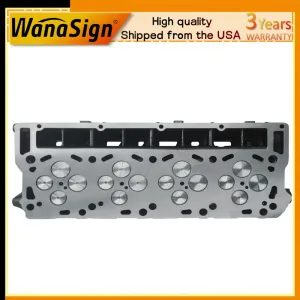
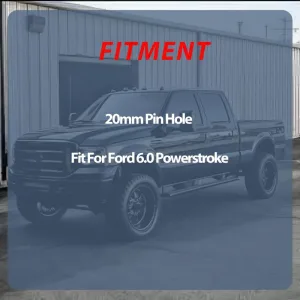
6.0 20mm Cylinder Head Assembly For Ford Powerstroke Trucks 6.0L Diesel 2006-2010
Original price was: $391.66.$376.99Current price is: $376.99.
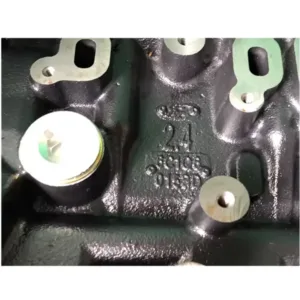
7C1Q-6011-CA 1749284 for Ford Transit V348 2.4L Cylinder Short Block Assembly
Original price was: $2,342.98.$2,233.88Current price is: $2,233.88.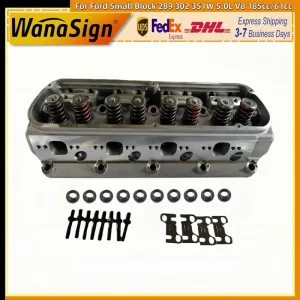
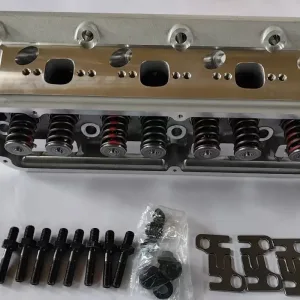
Aluminum Cylinder Head Fit For Ford Small Block 289 302 351W 5.0L V8 185cc/61cc
Original price was: $1,181.98.$1,126.09Current price is: $1,126.09.What is Engine Assembly and Where is It Located?
Engine Assembly Defined:
An Engine Assembly is a fully built engine unit composed of all essential internal components—including the engine block, cylinder head, crankshaft, pistons, and valves—that work together to power your vehicle. This complete package is built to meet manufacturer specifications and quality standards.
Location in Your Vehicle:
The Engine Assembly is typically housed in the engine bay, under the hood. It sits at the heart of the powertrain system, ensuring the smooth operation of all engine functions. For most vehicles, you’ll find it prominently positioned near the front, where it is easily accessible for routine maintenance or repairs.
How Do I Know if the Engine Assembly Needs to Be Replaced?
Warning Signs to Watch For:
Performance Issues: Noticeable decreases in power, acceleration, or fuel efficiency can signal internal engine problems.
Unusual Noises: Knocking, ticking, or pinging sounds may indicate worn or failing components within the assembly.
Dashboard Alerts: The check engine light or other warning indicators can be early signs of assembly issues.
Exhaust and Smoke: Excessive or unusual smoke from the exhaust—whether blue, white, or black—can point to engine wear or damage.
Oil Leaks & Overheating: Persistent oil leaks or overheating may also suggest that your Engine Assembly is deteriorating.
Regular inspections by a qualified mechanic can help diagnose these symptoms early, ensuring timely replacement before further damage occurs.
Can I Replace the Engine Assembly Myself?
DIY vs. Professional Replacement:
Replacing an Engine Assembly is a complex and technically challenging task. It involves:
Specialized Skills: Reassembling precision parts such as pistons, camshafts, and cylinder heads requires extensive mechanical expertise.
Proper Tools & Equipment: You need the right tools and sometimes even diagnostic equipment to ensure that every component is correctly installed and calibrated.
Risk Management: Incorrect installation can lead to engine damage, void warranties, or even create safety hazards.
While experienced DIY enthusiasts with a deep understanding of automotive mechanics and access to comprehensive repair manuals might attempt it, most vehicle owners are strongly advised to have a certified professional handle the replacement. This approach ensures reliability, maintains vehicle integrity, and upholds safety standards.