

Carburetors vs. Fuel Injection: Which Is Better for Your Engine?
“Why do vintage cars roar to life with a carburetor, while modern engines hum smoothly with fuel injection?” This question lies at the heart of one of the most enduring debates in automotive history. Whether you’re a classic car enthusiast, a DIY mechanic, or simply curious about how engines work, understanding the differences between carburetors and fuel injection is essential. In this guide, we’ll explore how these systems work, compare their strengths and weaknesses, and help you decide which one is right for your needs.
The Evolution of Fuel Systems: From Carburetors to Fuel Injection
1. The Golden Age of Carburetors
Carburetors were the heart of automotive engines for nearly a century, powering iconic vehicles like the Ford Model T and the Chevrolet Camaro. Their mechanical simplicity made them a favorite among manufacturers and enthusiasts alike. In the early days, carburetors were celebrated for their ability to deliver raw power and a distinctive engine roar, especially in muscle cars and hot rods. However, their reign began to wane as the automotive industry faced new challenges in the 1970s, including stricter emissions regulations and the oil crisis.
2. The Rise of Fuel Injection
The shift from carburetors to fuel injection was driven by the need for cleaner, more efficient engines. Fuel injection technology, initially developed for aircraft and high-performance racing cars, began to appear in production vehicles in the 1980s. Early systems like throttle body injection (TBI) were a stepping stone, but advancements in electronic fuel injection (EFI) and direct injection soon took over. These systems offered unparalleled precision, allowing engines to meet stringent emissions standards while delivering better fuel economy and performance.
3. Why Carburetors Faded Away
By the 1990s, carburetors had all but disappeared from new vehicles. The reasons were clear:
Emissions: Carburetors couldn’t meet the tighter emissions standards introduced in the 1970s and 1980s.
Efficiency: Fuel injection systems improved fuel economy by 15-25%, a critical advantage during the oil crisis.
Technology: The advent of microprocessors made electronic fuel injection affordable and reliable.
Fun Fact: The last carbureted car sold in the U.S. was the 1994 Isuzu Pickup—a relic of a bygone era.
Understanding Carburetors
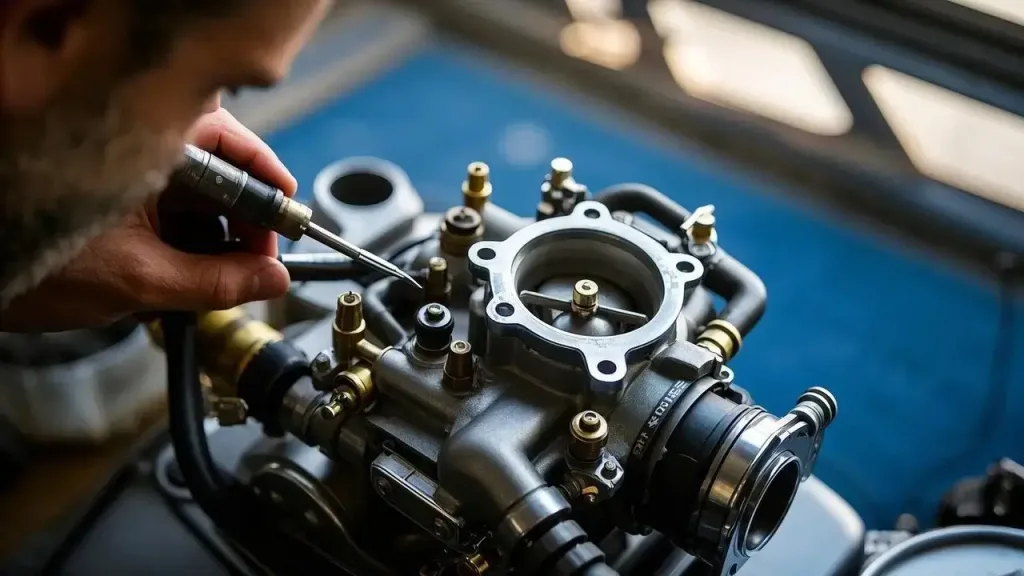
Carburetors are the unsung heroes of classic cars, delivering fuel to the engine with a blend of simplicity and mechanical ingenuity. For decades, they were the standard in automotive fuel systems, powering everything from family sedans to high-performance muscle cars. But how do they work, and why do they still hold a special place in the hearts of car enthusiasts? Let’s dive in.
How Does a Carburetor Work?
At its core, a carburetor is a device that mixes air and fuel in the right proportions for combustion. Here’s a step-by-step breakdown of how it operates:
Airflow Creates Suction:
Air enters the carburetor through the intake and passes through a narrow section called the venturi.
The venturi’s design speeds up the airflow, creating a low-pressure zone that draws fuel from the float bowl.
Fuel Delivery:
Fuel is stored in a small reservoir called the float bowl, where a float valve regulates the fuel level.
The fuel is pulled into the airstream through tiny openings called jets, which control the amount of fuel mixed with the air.
Throttle Control:
The throttle valve (or butterfly valve) adjusts the amount of air entering the engine.
When you press the accelerator, the throttle opens wider, allowing more air and fuel into the engine for increased power.
Manual Adjustments:
Carburetors often have screws for tuning the idle mixture and air-fuel ratio.
These adjustments are critical for optimizing performance, especially in changing weather or altitude conditions.
Key Components of a Carburetor
Venturi: The narrow section that accelerates airflow and creates suction.
Float Bowl: Holds fuel and uses a float valve to maintain the correct fuel level.
Jets: Small orifices that control fuel flow at different engine speeds (idle, mid-range, and full throttle).
Throttle Valve: Regulates airflow to the engine.
Choke: Enriches the air-fuel mixture for cold starts by restricting airflow.
Why Carburetors Are Loved (and Loathed)
Pros:
Simplicity: Easy to understand, repair, and maintain with basic tools.
Nostalgia: The unmistakable sound and feel of a carbureted engine evoke the golden age of motoring.
Cost-Effective: Affordable to rebuild or replace compared to fuel injection systems.
Cons:
Altitude Sensitivity: Carburetors struggle at high altitudes, where thinner air disrupts the air-fuel mixture.
Cold Starts: Requires a choke to start in cold weather, which can be finicky.
Fuel Efficiency: Less precise fuel delivery leads to wasted fuel and lower mileage.
Real-World Example: The Holley 4-Barrel Carburetor
The Holley 4150 is a legendary carburetor found in many classic muscle cars, including the Ford Mustang and Chevrolet Corvette. Its four barrels (two primary and two secondary) allow for smooth cruising and explosive acceleration when the secondaries kick in.
Why Carburetors Still Matter
While fuel injection has largely replaced carburetors in modern vehicles, carbs remain a staple in the classic car world. They’re a testament to the beauty of mechanical engineering, offering a hands-on experience that modern systems can’t replicate. Whether you’re restoring a vintage car or building a hot rod, understanding carburetors is essential for keeping the spirit of classic motoring alive.
Understanding Fuel Injection
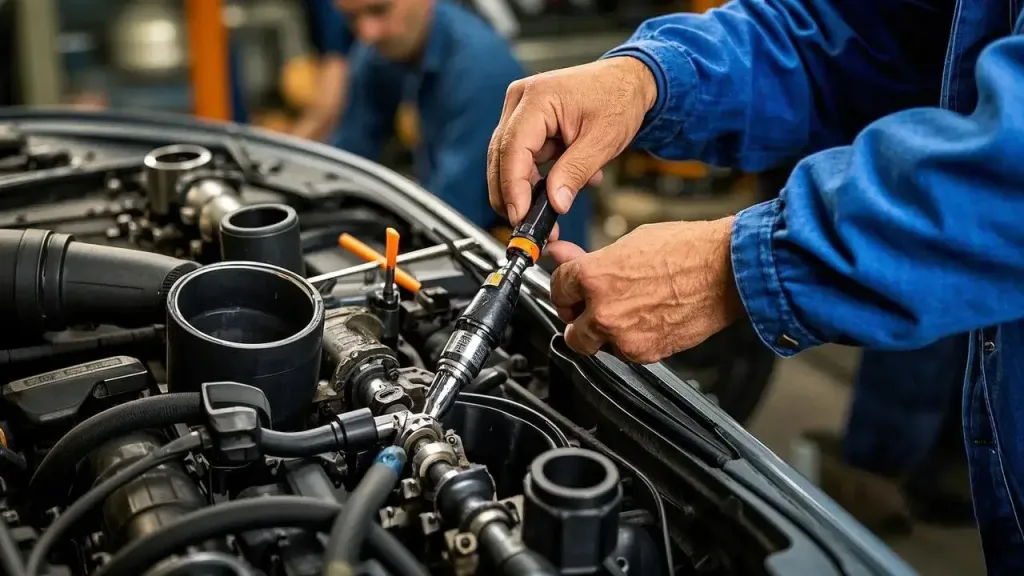
Fuel injection is the technological marvel that revolutionized the automotive industry, replacing the mechanical simplicity of carburetors with digital precision. Today, it’s the standard in nearly every modern vehicle, from compact cars to high-performance supercars. But what exactly is fuel injection, and how does it outperform its predecessor? Let’s explore.
How Does Fuel Injection Work?
Fuel injection systems use a combination of sensors, computers, and precision-engineered components to deliver the perfect air-fuel mixture to the engine. Here’s how it works:
Sensors Gather Data:
Mass Airflow (MAF) Sensor: Measures the amount of air entering the engine.
Oxygen (O2) Sensor: Tracks the amount of oxygen in the exhaust to assess combustion efficiency.
Throttle Position Sensor (TPS): Detects how far the accelerator pedal is pressed.
Engine Temperature Sensor: Monitors coolant temperature to adjust for cold starts.
ECU Calculates the Perfect Mix:
The Engine Control Unit (ECU), a small onboard computer, processes data from the sensors in real time.
Using complex algorithms, the ECU determines the optimal air-fuel ratio (typically 14.7:1 for gasoline engines) and calculates the exact amount of fuel needed.
Injectors Deliver Fuel:
Fuel injectors, which are essentially high-precision nozzles, spray atomized fuel into the engine.
The injectors are controlled by the ECU, which adjusts the pulse width (how long the injector stays open) to fine-tune fuel delivery.
Types of Fuel Injection:
Port Fuel Injection (PFI): Fuel is sprayed into the intake ports just before the intake valves.
Direct Injection (DI): Fuel is injected directly into the combustion chamber for greater efficiency and power.
Throttle Body Injection (TBI): An older system where fuel is sprayed into the throttle body (less precise but simpler).
Key Components of a Fuel Injection System
Fuel Injectors: Electrically controlled valves that spray fuel into the engine.
Fuel Pump: Delivers fuel from the tank to the injectors at high pressure.
ECU (Engine Control Unit): The brain of the system, processing sensor data and controlling fuel delivery.
Sensors: MAF, O2, TPS, and others provide real-time data to the ECU.
Fuel Rail: Distributes fuel to the injectors at a consistent pressure.
Why Fuel Injection Dominates Modern Engines
Pros:
Precision: Delivers the exact amount of fuel needed for optimal combustion, improving performance and efficiency.
Fuel Efficiency: Can improve mileage by 15-25% compared to carburetors.
Emissions Control: Enables cleaner combustion and compatibility with catalytic converters, reducing harmful pollutants.
Cold Starts: No choke required—fuel injection systems adjust automatically for cold weather.
Altitude Adaptability: Automatically compensates for changes in air density, making it ideal for mountainous regions.
Cons:
Complexity: More components and electronics mean higher repair costs and specialized diagnostic tools.
Cost: Fuel injection systems are more expensive to manufacture and repair than carburetors.
DIY Challenges: Requires advanced knowledge and tools for troubleshooting and repairs.
Real-World Example: Direct Injection in the Mazda SkyActiv Engine
Mazda’s SkyActiv-G engine uses direct injection to achieve exceptional fuel efficiency and performance. By injecting fuel directly into the combustion chamber at extremely high pressure, Mazda maximizes power output while minimizing emissions—a perfect example of modern fuel injection technology at work.
Why Fuel Injection is the Future
Fuel injection has become the backbone of modern automotive engineering, enabling advancements like turbocharging, hybrid systems, and even autonomous driving. Its ability to adapt to changing conditions and deliver precise fuel delivery makes it indispensable in today’s vehicles.
Fuel Injection vs. Carburetor: Key Differences (Comparison Table)
When it comes to fuel delivery systems, the choice between carburetors and fuel injection often boils down to performance, efficiency, and personal preference. To help you understand the key differences, here’s a detailed comparison table:
| Feature | Carburetor | Fuel Injection |
| Fuel Delivery | Mechanical (venturi suction) | Electronic (ECU-controlled) |
| Air-Fuel Ratio Control | Manual adjustment (±15% error) | Automatic (±1% error) |
| Altitude Sensitivity | Struggles (requires re-jetting) | Self-adjusting via sensors |
| Cold Starts | Requires choke (manual intervention) | Instant (no choke needed) |
| Fuel Efficiency | 12-18 MPG (less precise fuel delivery) | 20-30+ MPG (optimized fuel delivery) |
| Emissions | Higher pollutants (CO, HC) | Lower emissions (compatible with catalysts) |
| Maintenance | DIY-friendly but frequent tuning required | Less maintenance but complex diagnostics |
| Repair Costs | 50−50−200 (rebuild kits, DIY repairs) | 300−300−1,000+ (specialized tools/parts) |
| Performance | Raw, mechanical feel (ideal for classics) | Smooth, consistent power (ideal for modern) |
| Cost (Initial) | Affordable (100−100−500 for new units) | Expensive ($1,000+ for aftermarket kits) |
| DIY Friendliness | Easy to tune and repair with basic tools | Requires advanced knowledge and tools |
FAQs
Q1: Can I convert my classic car to fuel injection?
A: Absolutely! Many aftermarket fuel injection kits, like the Holley Sniper EFI or Edelbrock Pro-Flo 4, are designed specifically for classic cars. These kits bolt onto existing engines and provide modern fuel injection benefits without sacrificing the vintage look. However, purists argue that swapping out a carburetor can take away from the authenticity of a classic car.
Q2: Are carburetors illegal in modern cars?
A: In most countries, carburetors are not illegal, but they are no longer used in new vehicles due to emissions regulations. If you own a classic car (typically pre-1975 in the U.S.), you can still use a carburetor without issues. However, tampering with emissions systems in post-1975 vehicles to install a carburetor may violate local laws.
Q3: Which is better for horsepower—carburetors or fuel injection?
A: It depends on your goals. Carburetors are great for high-revving, naturally aspirated engines (think drag racing or classic muscle cars) because of their simplicity and ability to handle large volumes of air and fuel. However, fuel injection is better for modern performance builds, especially those with turbochargers or superchargers, as it provides precise fuel control under high boost.
Q4: Why do carburetors struggle at high altitudes?
A: Carburetors rely on atmospheric pressure to draw fuel into the engine. At higher altitudes, the air is thinner, which disrupts the air-fuel mixture and can cause the engine to run too rich (too much fuel). Fuel injection systems, on the other hand, use sensors to automatically adjust for altitude changes.
Q5: Is fuel injection more reliable than a carburetor?
A: Generally, yes. Fuel injection systems have fewer moving parts and are less prone to issues like flooding or vapor lock. They also don’t require manual tuning, which makes them more consistent in different driving conditions. However, when fuel injection systems do fail, repairs can be more expensive and require specialized tools.
Q6: Can I improve my carbureted engine’s fuel efficiency?
A: Yes, but with limitations. Tuning your carburetor for a leaner air-fuel mixture can help, but it may reduce performance and increase the risk of engine knock. Switching to an aftermarket fuel injection system can improve fuel efficiency by 15-25%, but it comes at a higher cost.
Q7: Can I use ethanol-blended fuel with a carburetor?
A: Yes, but with caution. Ethanol can corrode older carburetor components and degrade rubber seals. If you’re running ethanol-blended fuel, consider upgrading to ethanol-resistant parts or using a fuel additive to protect your carburetor.
Q8: How do I know if my fuel injectors are clogged?
A: Symptoms of clogged fuel injectors include rough idling, poor acceleration, reduced fuel efficiency, and a check engine light. You can diagnose the issue using an OBD-II scanner or by performing a fuel injector flow test.
Q9: Which system is easier to work on—carburetors or fuel injection?
A: Carburetors are generally easier for DIY mechanics to work on because they’re mechanical and don’t require specialized tools. Fuel injection systems, while more reliable, often require advanced knowledge and diagnostic equipment for repairs.
Conclusion
Carburetors are the soul of classic cars, delivering a raw, nostalgic driving experience that modern systems can’t replicate. Fuel injection, on the other hand, is the brain of modern engines, offering unmatched precision, efficiency, and adaptability. Whether you’re a gearhead who loves the roar of a carbureted V8 or a daily driver who appreciates the smooth hum of a fuel-injected engine, both systems have their place in the automotive world.
“At the end of the day, it’s not about which system is better—it’s about which one fits your vision. Whether you’re chasing the thrill of a vintage engine or the efficiency of a modern machine, the choice is yours. So, what’s it going to be: the mechanical charm of a carburetor or the digital precision of fuel injection?”



Add comment