

The Ultimate Guide to How ECUs Manage Fuel Injection
Did you know that modern Engine Control Units (ECUs) can boost fuel efficiency by up to 20%? As automotive technology evolves, understanding how ECUs manage fuel injection is key for both car enthusiasts and professional technicians. In this ultimate guide, we’ll demystify the inner workings of ECUs, explore the science behind precise fuel delivery, and offer practical tips on diagnostics and troubleshooting.
What is an Engine Control Unit (ECU)?
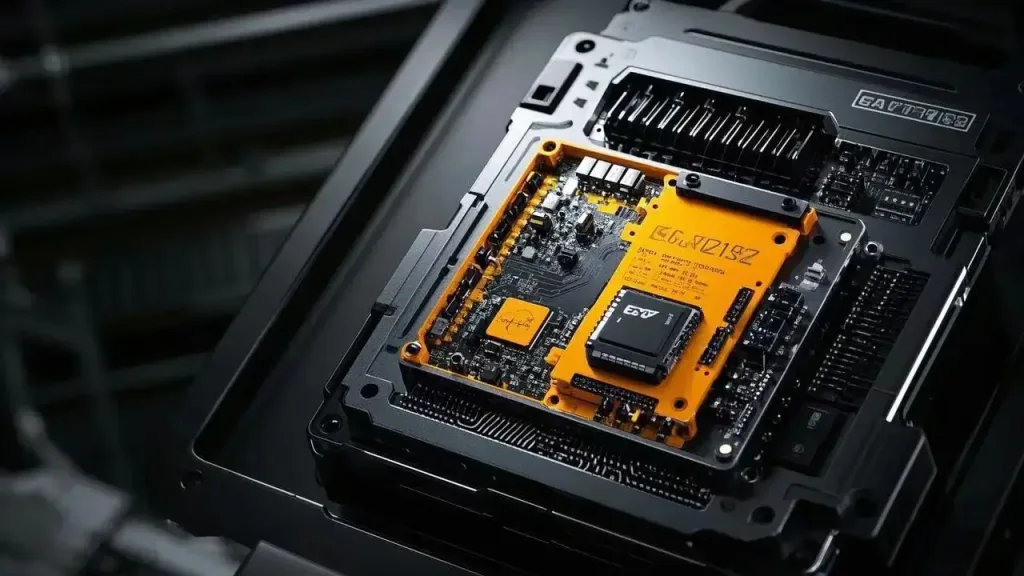
The ECU is essentially the brain of your vehicle. Originally designed as a simple controller, today’s ECU is a sophisticated computer that monitors and manages various engine functions. It receives input from numerous sensors—such as oxygen, throttle, and temperature sensors—and processes this data to regulate crucial aspects like ignition timing, fuel delivery, and emission control.
Fundamentals of Fuel Injection
Fuel injection is the modern method of delivering fuel directly into the engine’s combustion chamber. Unlike the outdated carburetor systems, fuel injection offers precise control over the fuel-air mixture, resulting in more efficient combustion. This precision leads to better engine performance, improved fuel economy, and lower emissions. Various types of fuel injection systems exist, including port injection and direct injection, each tailored to meet specific performance and efficiency goals.
Together, the ECU and fuel injection system form a dynamic duo that not only drives performance but also ensures that your engine runs cleanly and efficiently. Understanding these basics is the first step toward mastering modern automotive technology.
How ECUs Manage Fuel Injection
Modern Engine Control Units (ECUs) leverage advanced technology to fine-tune fuel injection for peak performance. Here’s how they accomplish this intricate task:
A. Integrating Sensor Data for Precise Control
ECUs rely on a comprehensive network of sensors—including oxygen, throttle position, manifold pressure, and temperature sensors—to capture real-time engine conditions. This continuous stream of data enables the ECU to accurately assess the engine’s requirements at every moment. By understanding these variables, the ECU determines the precise timing and volume of fuel needed, ensuring efficient combustion under varying conditions.
B. Real-Time Processing with Adaptive Algorithms
Once the sensor data is collected, the ECU’s sophisticated algorithms kick in. These adaptive algorithms perform rapid, real-time calculations to adjust the fuel injection process dynamically. Whether the engine is under heavy load or idling at low speeds, the ECU continuously recalibrates the fuel delivery, maintaining an optimal air-to-fuel ratio. This real-time processing not only maximizes performance but also enhances fuel efficiency and reduces emissions.
C. Precision Actuation of Fuel Injectors
The final step involves the ECU sending precise electronic commands to the fuel injectors. This ensures that fuel is injected at the exact moment required, in the exact quantity needed, and in a meticulously timed sequence. The precision of this actuation is crucial—it promotes complete combustion, which improves engine responsiveness and minimizes harmful emissions. The coordination between the ECU’s calculations and the injector’s action is a testament to the advanced technology underpinning modern engine management systems.
Troubleshooting and Maintenance Strategies for ECU Fuel Injection Systems
Modern ECU-controlled fuel injection systems are marvels of engineering, yet like any complex system, they can encounter issues. In this section, we explore practical troubleshooting techniques and maintenance strategies to ensure your engine operates at peak efficiency.
A. Recognizing Common Symptoms and Diagnostic Clues
Engine performance issues—such as rough idling, unexpected misfires, decreased fuel economy, or a sudden loss of power—can often indicate problems within the ECU’s fuel injection management. Familiar symptoms include:
- Erratic Engine Behavior: Inconsistent performance under varying conditions.
- Illuminated Check Engine Light: A clear sign that the ECU has detected irregular sensor data or injector anomalies.
- Poor Fuel Efficiency: A drop in fuel economy may suggest that the fuel-air mixture is off balance.
Early identification of these symptoms is crucial, as timely diagnostics can prevent more severe damage and costly repairs.
B. Step-by-Step Diagnostic Procedures
Effective troubleshooting begins with a systematic approach:
- Retrieve Diagnostic Trouble Codes (DTCs): Use an OBD-II scanner to pull error codes from the ECU. These codes provide insights into which sensors or components are malfunctioning.
- Analyze Sensor Data: Compare real-time sensor readings—such as oxygen levels, throttle position, and manifold pressure—with manufacturer specifications. Anomalies in these values often point directly to the problem area.
- Inspect Wiring and Connectors: Check for loose or corroded connections that may disrupt the communication between sensors and the ECU.
- Examine the Fuel Injectors: Verify that the injectors are delivering fuel at the correct intervals and in the proper amounts. Look for signs of clogging or wear that could impair their performance.
- Calibrate or Update ECU Software: In some cases, a recalibration or software update may be necessary to restore proper function. Follow the manufacturer’s guidelines to ensure accuracy and avoid further complications.
C. Preventive Maintenance and Best Practices
Regular upkeep is key to maintaining the health of your ECU and fuel injection system:
- Routine Inspections: Schedule regular checks of sensor connections, wiring, and injector performance to catch issues before they escalate.
- Cleaning and Calibration: Clean sensors and fuel injectors periodically. Ensure that the ECU software is updated according to the latest manufacturer recommendations.
- Documentation: Keep detailed records of any diagnostic codes, repairs, and maintenance activities. This history can be invaluable for future troubleshooting and ensuring consistency in engine performance.
Advanced Topics and Future Innovations
A. Emerging Trends in ECU Technology
The future of automotive technology is bright. Innovations such as artificial intelligence and machine learning are beginning to integrate into ECU systems, paving the way for predictive maintenance and even more refined control. These advancements promise not only to optimize fuel injection further but also to enhance overall vehicle performance and reliability.
B. Environmental Impact and Efficiency
Precise fuel injection plays a pivotal role in reducing harmful emissions. By ensuring the ideal air/fuel mixture, modern ECUs help engines burn fuel more completely, reducing pollutants and improving fuel economy. As environmental regulations become stricter, the automotive industry will continue to innovate in this space.
C. Expert Tips & Real-World Applications
Automotive professionals are already leveraging advanced ECU tuning to get the most out of both classic and modern vehicles. Expert interviews reveal that a deep understanding of ECU management can lead to significant performance gains, whether on the racetrack or in daily commuting.
Frequently Asked Questions (FAQ)
Q1: How often should the ECU be calibrated?
Calibration intervals vary by manufacturer, but routine checks are recommended during major service intervals.
Q2: Can a faulty sensor affect fuel injection accuracy?
Absolutely. A malfunctioning sensor can send incorrect data to the ECU, leading to improper fuel delivery and suboptimal engine performance.
Q3: Are modern ECUs capable of self-diagnosis?
Many modern ECUs come with self-diagnostic capabilities that alert technicians to potential issues before they become serious problems.
Conclusion
In summary, ECUs are the cornerstone of modern engine management, playing a vital role in ensuring efficient fuel injection, optimal engine performance, and reduced emissions. By understanding the interplay of sensors, adaptive algorithms, and precise injector control, both automotive professionals and enthusiasts can better appreciate the technology that keeps our vehicles running smoothly.



Add comment