

What Is Piston Slap and How Can You Get Rid of It?
Have you ever started your car on a cold morning and heard a knocking or rattling sound coming from the engine? If so, you might be dealing with piston slap—a common issue in high-mileage engines. While this noise can be alarming, it doesn’t always mean immediate engine failure. Understanding what causes piston slap and how to address it can help you keep your engine running smoothly.
What Is Piston Slap?
Piston slap is a knocking or rattling noise that occurs when there is excessive clearance between the piston and the cylinder wall, causing the piston to rock back and forth instead of moving smoothly up and down. This movement creates a characteristic “slapping” sound, especially when the engine is cold.
Why Does Piston Slap Happen?
Piston slap typically occurs due to wear and tear over time, leading to increased piston-to-wall clearance. However, it can also result from poor piston design, incorrect engine break-in, or cold engine operation, where the piston has not yet expanded to its full operating size.
Piston Slap vs. Other Engine Noises
- Piston Slap: More noticeable during a cold start and often quiets down as the engine warms up.
- Rod Knock: A deeper, rhythmic knocking sound that persists at all temperatures and worsens under load.
- Lifter Tick: A lighter, repetitive tapping sound caused by insufficient oil flow to the valve lifters.
Is Piston Slap Harmful?
In many cases, mild piston slap is not immediately harmful and does not require urgent repairs. However, if left unchecked, it can lead to increased wear on the cylinder walls, piston rings, and bearings, potentially shortening the engine’s lifespan. If the noise worsens or is accompanied by increased oil consumption, poor performance, or blue smoke from the exhaust, it may be time to take action.
Causes of Piston Slap
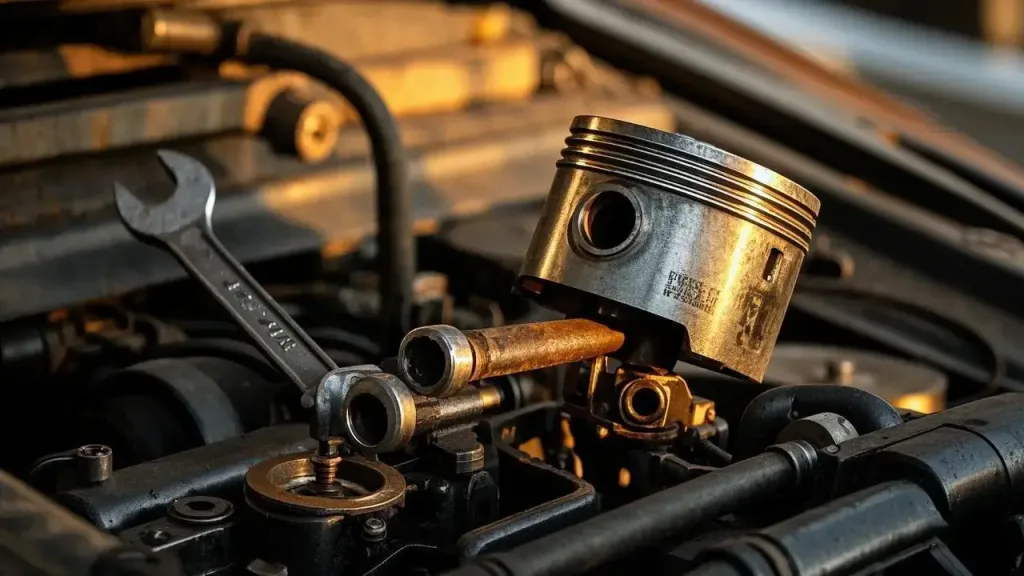
Piston slap happens when there is excessive clearance between the piston and the cylinder wall, allowing the piston to move from side to side instead of maintaining a straight up-and-down motion. This issue can arise due to several factors, including wear, poor design, or improper maintenance.
1. Excessive Piston-to-Cylinder Clearance
Over time, engine components experience natural wear, leading to increased clearance between the piston and the cylinder wall. When this clearance becomes too large, the piston moves unevenly, creating the characteristic slapping noise. This wear is especially common in high-mileage engines and engines that have not been properly maintained.
2. Cold Engine Conditions
Metal expands when heated and contracts when cooled. In a cold engine, pistons are slightly smaller than their operating size, which can increase clearance temporarily. As the engine warms up, the piston expands and may reduce or eliminate the slapping noise. This is why some vehicles exhibit piston slap only when first started in the morning and quiet down as they reach normal operating temperature.
3. Poor Piston Design or Material
Some pistons are more prone to slap due to their shape, size, or material composition. For example:
- Older engines and performance engines often use short-skirt pistons, which provide less contact area with the cylinder wall, making them more likely to develop piston slap.
- Some engines use pistons made from lighter alloys that expand at different rates compared to the cylinder walls, contributing to excessive clearance when cold.
4. Improper Engine Break-In
When an engine is newly rebuilt or freshly manufactured, it requires a proper break-in period to allow the piston rings and cylinder walls to seat correctly. If the engine is not broken in properly—such as using the wrong oil, revving too high too soon, or failing to vary RPMs—uneven wear can occur, leading to increased piston-to-wall clearance and potential piston slap.
5. Worn or Damaged Piston Rings
Piston rings help maintain compression and prevent excessive movement of the piston. When these rings wear out or break, they fail to provide enough stability, allowing the piston to move more than it should. This contributes to both piston slap and increased oil consumption, which can lead to additional engine issues.
6. Cylinder Wall Wear or Damage
If the cylinder walls are scored, oval-shaped, or excessively worn, they will no longer provide the proper surface for the piston to move smoothly. This uneven surface increases piston movement, making piston slap more likely. Common causes of cylinder wear include:
- Lack of lubrication
- Contaminants in the oil
- Poor machining during an engine rebuild
7. High Mileage and Long-Term Wear
Engines with high mileage (100,000+ miles) naturally experience wear and tear on internal components. Over time, repeated cycles of heating and cooling lead to metal fatigue, causing gradual expansion of piston-to-cylinder clearance. In many older engines, mild piston slap is expected and does not always require immediate repairs.
Symptoms of Piston Slap
Piston slap is often mistaken for other engine noises, but recognizing its unique characteristics can help in diagnosing the issue early. Below are the most common symptoms of piston slap:
1. Distinctive Slapping or Knocking Noise
- The most noticeable sign of piston slap is a rhythmic knocking or slapping noise coming from deep inside the engine.
- The noise is typically louder when the engine is cold and may decrease or disappear as the engine warms up.
- The sound is often more pronounced at idle or low RPMs and may not change significantly with engine speed.
2. Increased Oil Consumption
- Excessive piston-to-wall clearance allows more oil to slip past the piston rings, leading to higher oil consumption.
- This may result in the need for frequent oil top-ups between oil changes.
- In severe cases, blue smoke from the exhaust may indicate that oil is being burned in the combustion chamber.
3. Reduced Engine Performance
- If piston slap becomes severe, it can lead to a loss of compression, reducing power and fuel efficiency.
- The engine may feel sluggish, with noticeable performance issues during acceleration.
- In some cases, misfires or rough idling can occur due to improper combustion caused by excessive piston movement.
4. Excessive Engine Wear and Metal Debris in Oil
- Over time, prolonged piston slap can cause wear on the piston skirts, rings, and cylinder walls, leading to metal shavings in the engine oil.
- An oil analysis may reveal higher-than-normal metal content, indicating excessive wear inside the engine.
5. Persistent Noise Over Time
- Unlike some temporary engine noises, piston slap tends to worsen over time as wear increases.
- If the noise becomes louder or does not fade when the engine warms up, it may indicate significant wear that requires attention.
How to Diagnose Piston Slap
1. Using a Mechanic’s Stethoscope
A mechanic’s stethoscope can help pinpoint the source of the knocking noise. If the noise is coming from deep inside the block and changes with engine temperature, it may be piston slap.
2. Checking for Cylinder Wear
A bore scope inspection or measuring piston-to-wall clearance can confirm excessive wear inside the cylinders.
3. Oil Analysis for Metal Debris
If piston slap is severe, it can cause small metal particles to accumulate in the engine oil. Sending an oil sample for analysis can reveal excessive wear.
How to Get Rid of Piston Slap
While piston slap is not always an immediate threat to your engine, addressing it early can prevent long-term wear and performance issues. Depending on the severity of the problem, solutions range from simple maintenance adjustments to full engine rebuilds.
1. Use a Thicker Oil
- Switching to a slightly higher viscosity oil can help reduce piston movement and dampen the slapping noise.
- For example, if your engine uses 5W-30, you may try 10W-30 or 10W-40 (consult your owner’s manual before switching).
- This method is a temporary fix and may not work if the wear is too severe.
2. Try Oil Additives and Treatments
- Some friction-reducing oil additives can help create a thicker oil film, reducing piston movement.
- Additives designed for high-mileage engines may also help slow down further wear.
- Keep in mind that while these treatments can minimize noise, they do not repair mechanical damage.
3. Allow Proper Engine Warm-Up
- If piston slap occurs mainly when the engine is cold, allowing the engine to warm up properly before driving can reduce the noise.
- Avoid revving the engine aggressively right after starting, as this can worsen wear over time.
4. Inspect and Replace Piston Rings
- If excessive wear on the piston rings is contributing to piston slap, replacing them can help stabilize the piston and improve compression.
- This requires disassembling part of the engine, so it’s best suited for experienced mechanics or during a full rebuild.
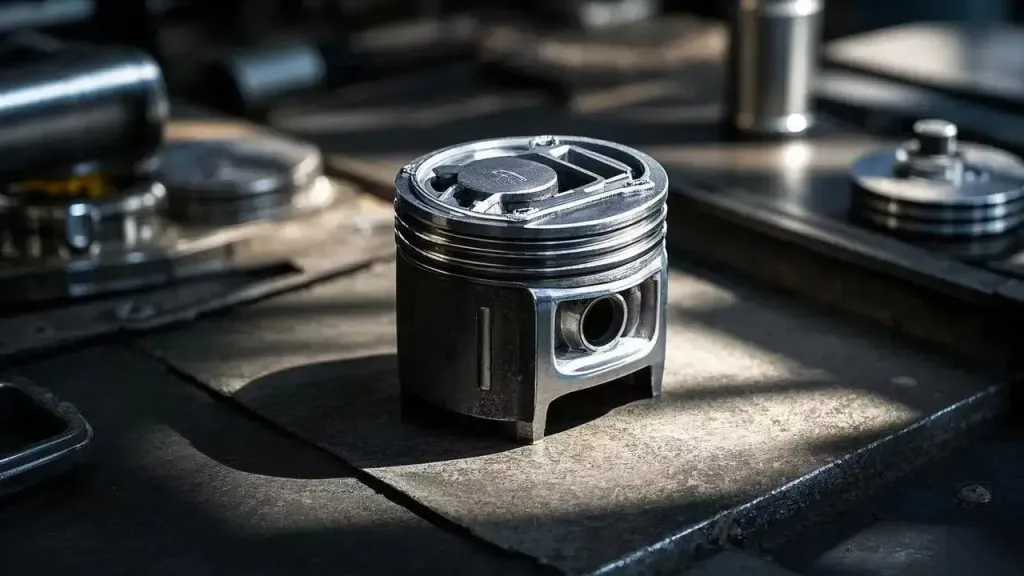
5. Replacing Pistons with Longer Skirts
- Some pistons, especially those with short skirts, are more prone to rocking inside the cylinder.
- Replacing them with pistons that have longer skirts can provide better stability and reduce slap.
- This is a major repair that requires engine disassembly and machining.
6. Cylinder Re-Boring and Honing
- If the cylinder walls are excessively worn, increasing the clearance beyond acceptable limits, re-boring and honing the cylinders can restore proper fit.
- This involves machining the engine block and installing oversized pistons to match the new bore size.
- This is one of the most effective but costly solutions, often done during a complete engine rebuild.
7. ECU Tuning and Cold Start Adjustments
- Some modern engines allow tuning adjustments that can help reduce piston slap by modifying fuel injection timing and ignition settings.
- This solution is more applicable to performance vehicles or engines with tunable ECUs.
8. Full Engine Rebuild
- If piston slap is severe and causing major performance issues, a full engine rebuild may be the only long-term fix.
- This involves replacing pistons, rings, and possibly re-machining the cylinder walls to restore proper tolerances.
- While expensive, it ensures the engine runs efficiently and eliminates piston slap completely.
Preventing Piston Slap in the Future
- Follow regular maintenance: Keep up with oil changes and use the correct oil type.
- Choose the right pistons: If rebuilding an engine, select pistons that fit within factory tolerances.
- Break in new engines properly: Follow proper break-in procedures to ensure even wear.
Where to Get High-Quality Pistons for Your Vehicle
When looking for high-quality pistons for your vehicle, it’s essential to choose a reliable supplier that offers precise engineering, durability, and a perfect fit. One trusted source is Wanasign Auto, a leading manufacturer specializing in OEM-grade and performance engine components. We provide a wide range of pistons, piston rings, and connecting rods, ensuring compatibility with various makes and models.
Whether you’re rebuilding your engine or upgrading for better performance, Wanasign Auto delivers precision-machined pistons designed for longevity and optimal performance. With competitive pricing, expert craftsmanship, and fast shipping, Wanasign Auto is the go-to choice for mechanics, auto enthusiasts, and professional engine builders.
Conclusion
Piston slap is a common issue, especially in older engines. While it may not always require an immediate fix, it’s essential to monitor the noise and check for related issues like excessive oil consumption. If the slap is severe, replacing or resizing pistons, re-boring the cylinders, or using ECU tuning may be necessary. By understanding the causes and solutions, you can make informed decisions about your engine’s health.
FAQs
1. Is piston slap dangerous for my engine?
Mild piston slap is usually not harmful, but severe cases can lead to long-term wear and reduced engine performance.
2. Can piston slap go away on its own?
Sometimes, piston slap noise reduces as the engine warms up, but it won’t completely go away without addressing the root cause.
3. Will using premium fuel help reduce piston slap?
No, fuel type has no direct impact on piston slap. The issue is related to mechanical wear, not fuel quality.
4. How much does it cost to fix piston slap?
Costs vary depending on the solution. Using a thicker oil is cheap, while a full engine rebuild with new pistons and cylinder work can cost several thousand dollars.
5. Can I keep driving with piston slap, or should I repair it immediately?
If the slap is mild and doesn’t affect performance, you can continue driving while monitoring it. However, if oil consumption increases or performance drops, repairs should be considered.



Add comment