

What is a Piston in an Engine?
If you’ve ever been curious about what makes your car’s engine tick, you’ve likely heard of the piston. It’s one of those essential engine components that play a critical role in converting fuel into the power that drives your vehicle. But what exactly is a piston used for, and why is it so important? In this article, we’ll dive deep into the world of pistons, exploring what they are, how they work, and why they’re vital to your car’s performance.
What is a Piston?
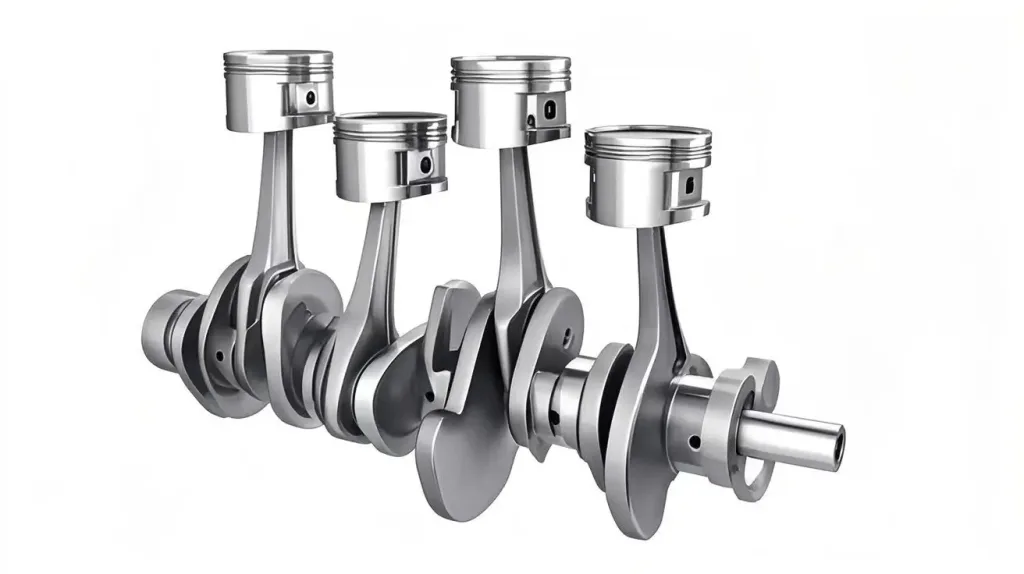
A piston is a crucial component within an internal combustion engine. It’s a cylindrical piece of metal that moves up and down inside the engine’s cylinder. The movement of the piston is essential for converting the energy produced by fuel combustion into mechanical power that drives the vehicle or machinery.
Pistons are designed to withstand high pressures and temperatures, making them one of the most durable parts of the engine. They are typically connected to the crankshaft via a connecting rod, and as the piston moves, it turns the crankshaft, which ultimately drives the wheels of a car or powers other types of machinery.
What Are Pistons Made Up Of?
Pistons need to be both strong and lightweight to perform effectively. The most common materials used for pistons include:
1. Aluminum Alloys
Aluminum alloys are the most commonly used materials for pistons in modern engines. They are lightweight, which reduces the overall mass of the engine and allows it to rev faster. Aluminum also has excellent thermal conductivity, helping to dissipate the heat generated during combustion.
2. Cast Iron
Cast iron was widely used in older engines due to its durability and resistance to wear. However, its heavier weight compared to aluminum has led to its decline in use, especially in high-performance engines.
3. Steel Alloys
Steel pistons are becoming increasingly popular in diesel engines and high-performance applications due to their strength and resistance to thermal expansion. Although heavier than aluminum, steel pistons offer greater durability and can withstand higher pressures.
What Are the Major Parts of a Piston?
A piston is made up of several key components, each serving a specific purpose:
1. Piston Crown
The top of the piston, known as the crown, is the surface that comes into direct contact with the combustion gases. The design of the crown can significantly impact the efficiency of the combustion process.
2. Piston Rings
Piston rings are located around the piston and serve two main functions: sealing the combustion chamber to prevent gas leakage and controlling oil consumption by scraping excess oil from the cylinder walls.
3. Piston Skirt
The piston skirt is the cylindrical part of the piston that extends downward from the crown. It helps to guide the piston within the cylinder and prevents it from tilting or rocking during operation.
4. Piston Pin (Gudgeon Pin)
The piston pin connects the piston to the connecting rod. It acts as a pivot point for the connecting rod as the piston moves up and down.
How Does a Piston Work?
The operation of a piston is integral to the function of an internal combustion engine. Here’s a simple breakdown of how a piston works within a typical four-stroke engine:
1. Intake Stroke
During the intake stroke, the piston moves downward, creating a vacuum that draws the air-fuel mixture into the cylinder from the intake valve.
2. Compression Stroke
As the piston moves back up, it compresses the air-fuel mixture in the cylinder. This compression makes the mixture more combustible.
3. Power Stroke
The spark plug ignites the compressed air-fuel mixture, causing a controlled explosion. The force from this explosion pushes the piston back down, which in turn rotates the crankshaft and produces power.
4. Exhaust Stroke
Finally, the piston moves back up again, pushing the exhaust gases out of the cylinder through the exhaust valve, preparing the engine for the next cycle.
How Many Pistons Does a Car Have?
The number of pistons in a car varies depending on the engine configuration. Here are some common setups:
1. Four-Cylinder Engines
Most economy and compact cars feature a four-cylinder engine, which contains four pistons. This configuration offers a good balance between power, fuel efficiency, and size.
2. Six-Cylinder Engines
Six-cylinder engines are often found in mid-sized and performance vehicles. They typically come in V6 or inline-six configurations, both of which provide more power than four-cylinder engines while maintaining reasonable fuel efficiency.
3. Eight-Cylinder Engines
V8 engines are common in trucks, SUVs, and high-performance cars. These engines have eight pistons and deliver significantly more power, often at the cost of higher fuel consumption.
4. Twelve-Cylinder Engines
Reserved for luxury and supercars, twelve-cylinder engines (V12 or W12) offer unparalleled smoothness and power. These engines are the pinnacle of performance but are also the most expensive and least fuel-efficient.
What Are the Different Types of Pistons?
Pistons come in various types, each designed for specific applications:
1. Flat-Top Pistons
Flat-top pistons have a flat crown, providing a balanced and efficient combustion process. They are commonly used in naturally aspirated engines.
2. Dome-Top Pistons
Dome-top pistons feature a raised crown, increasing the compression ratio and making them ideal for high-performance engines.
3. Dish-Top Pistons
Dish-top pistons have a concave crown, which lowers the compression ratio and is often used in turbocharged or supercharged engines to prevent knocking.
4. Slipper Pistons
Slipper pistons are designed with a reduced skirt, making them lighter and reducing friction. They are typically used in high-performance and racing engines.
What Are the Important Functions of a Piston?
Pistons perform several critical functions in an engine:
1. Compression
Pistons compress the air-fuel mixture in the cylinder, making it more combustible and efficient.
2. Power Transmission
By moving up and down, pistons convert the energy from fuel combustion into mechanical power that drives the crankshaft.
3. Heat Dissipation
Pistons help dissipate the heat generated during combustion, preventing the engine from overheating.
4. Sealing
Piston rings provide a tight seal in the combustion chamber, preventing gases from escaping and maintaining engine efficiency.
What Are the Properties of a Good Piston?
A good piston must meet several criteria to perform effectively:
1. High Strength
Pistons must withstand high pressures and temperatures without deforming or failing.
2. Low Weight
A lightweight piston reduces the overall mass of the engine, allowing for higher speeds and better fuel efficiency.
3. Excellent Thermal Conductivity
Good thermal conductivity is crucial for dissipating the heat generated during combustion.
4. Wear Resistance
Pistons must resist wear and tear over time to maintain engine performance and longevity.
Piston Care & Maintenance – What Must Be Observed?
Proper care and maintenance of pistons are essential for the longevity and performance of your engine. Here are some tips:
1. Regular Oil Changes
Clean oil reduces friction and wear on the pistons. Regular oil changes ensure that your engine remains well-lubricated.
2. Avoid Overheating
Overheating can cause pistons to expand and seize within the cylinder. Ensure your engine’s cooling system is functioning correctly.
3. Use Quality Fuel
Poor-quality fuel can lead to carbon buildup on the pistons, reducing efficiency and performance. Always use high-quality fuel recommended by your vehicle manufacturer.
4. Monitor Engine Performance
If you notice any unusual noises, loss of power, or increased oil consumption, have your engine inspected by a professional. Early detection of piston issues can prevent more significant problems down the road.
FAQs About Pistons in Automobiles
1. What happens if a piston fails?
If a piston fails, it can lead to a loss of compression, reduced power, and even complete engine failure. In severe cases, it can cause damage to other engine components.
2. Can pistons be repaired, or do they need to be replaced?
Minor piston damage can sometimes be repaired, but in most cases, it’s more effective to replace the damaged piston to ensure proper engine performance.
3. How often should pistons be checked?
Pistons should be inspected during major engine services or if you notice a drop in engine performance. Regular maintenance can help detect issues early.
4. What causes piston rings to fail?
Piston rings can fail due to poor lubrication, excessive heat, or wear over time. Regular oil changes and proper engine maintenance can extend the life of piston rings.
5. How can I increase the lifespan of my pistons?
To increase the lifespan of your pistons, ensure regular maintenance, use high-quality oil and fuel, avoid engine overheating, and drive sensibly to reduce excessive wear.
Conclusion
Pistons are the unsung heroes of your car’s engine, tirelessly working to convert fuel into the power that propels your vehicle. Understanding what pistons are, how they work, and how to care for them can help you maintain your engine’s performance and extend its lifespan. Whether you’re driving a compact car or a high-performance sports car, the pistons are at the heart of the engine’s operation, making them essential to your vehicle’s overall health.



Add comment