
The Ultimate Guide to the PCV Valve: Purpose, Function, and Maintenance
Modern engines are complex systems where even the smallest parts can have a big impact on overall performance and longevity. The PCV valve is one such component. Designed to reduce harmful emissions and prevent engine sludge, understanding its function and maintenance is essential for any vehicle owner or auto enthusiast. Whether you’re experiencing performance issues or simply want to be proactive about your engine’s health, this guide will equip you with all the necessary information.
What Is a PCV Valve?
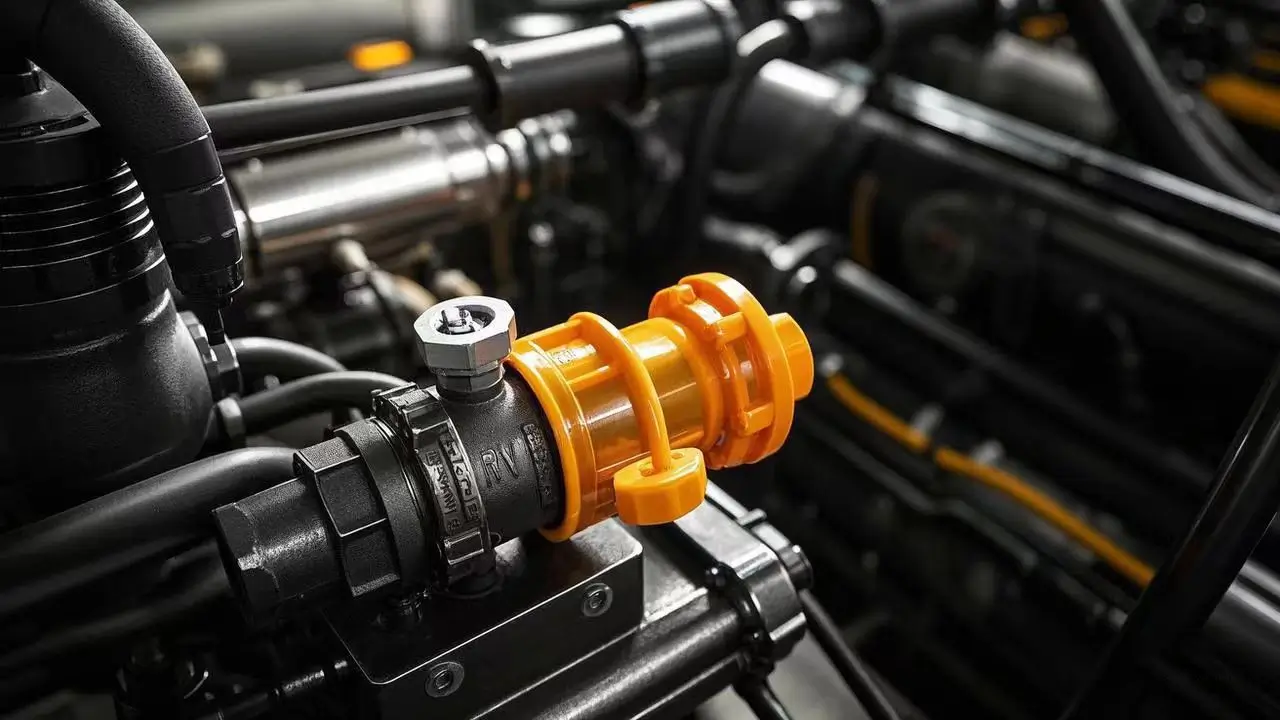
The Positive Crankcase Ventilation (PCV) valve is a small, one-way valve (about the size of a thumb) located in your engine’s crankcase. Introduced in the 1960s to reduce emissions, it solves a key problem: blow-by gases.
When your engine runs, tiny amounts of combustion gases escape past the piston rings into the crankcase. These gases contain unburned fuel, moisture, and acids that can dilute oil, create sludge, and increase pressure. The PCV valve safely reroutes these harmful gases back into the combustion chamber to be burned off—protecting your engine and the environment.
The Role of the PCV Valve in Your Engine
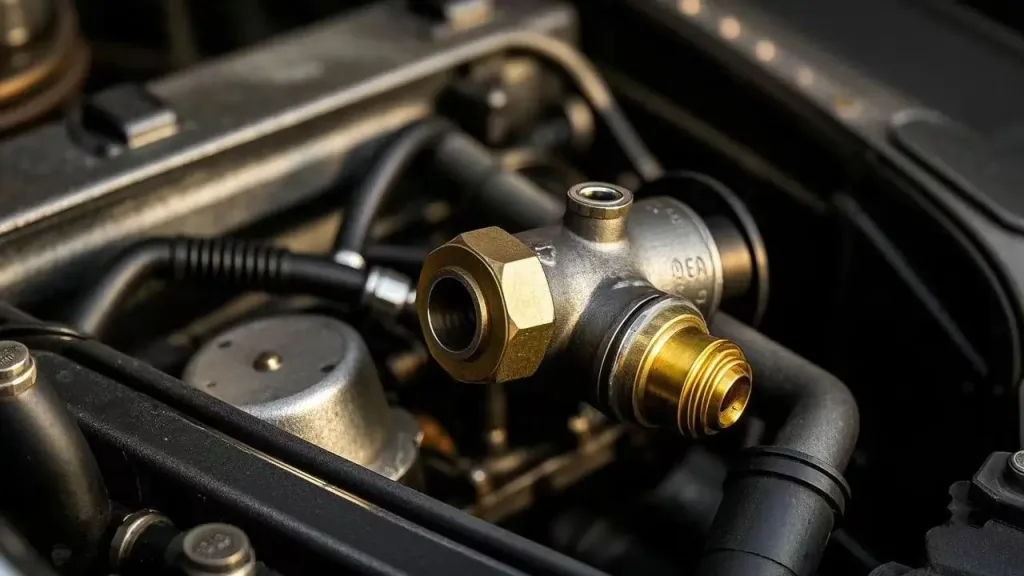
The PCV (Positive Crankcase Ventilation) valve might look like a small, unassuming part, but it’s the unsung hero of your engine’s health and efficiency. Far more than just an emissions compliance device, this valve acts as a multitasking workhorse, tackling everything from sludge prevention to fuel savings. Let’s break down why your engine’s survival depends on it—and how ignoring it could cost you thousands.
1. Prevents Sludge Buildup: The Silent Engine Killer
Every time your engine runs, combustion gases (called blow-by gases) slip past the piston rings into the crankcase. These gases contain unburned fuel, acidic moisture, and carbon particles. When these contaminants mix with engine oil, they create a thick, mayonnaise-like sludge that sticks to critical components like bearings, camshafts, and oil passages.
The PCV valve acts like a vacuum cleaner for your crankcase, sucking out blow-by gases before they contaminate the oil and routing them back into the combustion chamber to be safely burned off. Without it, sludge reduces lubrication, causing friction, overheating, and accelerated wear. A clogged oil pickup tube can starve your engine of oil, leading to catastrophic failure. Replacing a sludge-damaged engine can cost 3,000–3,000–5,000+, while a new PCV valve costs 10–10–50.
2. Regulates Crankcase Pressure: Avoiding Oil Leaks and Blown Seals
Without a functioning PCV valve, blow-by gases accumulate, creating high crankcase pressure. This pressure forces oil past seals and gaskets, causing leaks around the valve cover, oil pan, or crankshaft seals. It can also blow out the dipstick, spraying oil onto hot engine parts (a fire risk!), or warp and crack valve covers and oil pans over time.
The PCV valve acts as a pressure relief system, opening under vacuum to vent gases when pressure rises and closing at idle to maintain optimal engine vacuum levels.
3. Boosts Fuel Efficiency: Recycling Wasted Fuel
Blow-by gases contain unburned fuel vapors. Without the PCV system, these vapors would escape into the atmosphere, wasting gas. Your engine’s computer (ECU) would overcompensate by enriching the air-fuel mixture, reducing mileage.
The PCV valve redirects unburned fuel vapors into the intake manifold, where they’re burned in the combustion chamber, reducing waste. A faulty PCV valve can reduce fuel efficiency by 5–10%. For a car that averages 30 MPG, that’s 1.5–3 fewer miles per gallon—costing you $100+ annually in extra fuel.
4. Reduces Emissions: Staying Eco-Friendly and Compliant
Before PCV valves, up to 25% of a car’s hydrocarbon emissions came from crankcase gases. Today, the system prevents harmful hydrocarbons (HC) and carbon monoxide (CO) from escaping, helping your car pass emissions tests—a failed test often traces back to PCV issues.
If you remove the PCV valve, your car’s hydrocarbon emissions will increase, contributing to smog and ozone pollution. In regions with strict emissions laws (e.g., California’s SMOG checks), this could result in fines.
Diagnosing a Faulty PCV Valve
A malfunctioning PCV valve can lead to a host of engine issues, and early diagnosis is key to preventing further damage. Here’s a detailed guide on how to identify if your PCV valve is failing:
Recognizing Common Symptoms
Start by observing your engine’s performance and any noticeable changes in behavior. Some common signs of a faulty PCV valve include:
- Rough Engine Idling: If your engine starts idling roughly or experiences inconsistent RPMs, it might be a sign that the PCV valve isn’t properly regulating the crankcase gases.
- Excessive Oil Leaks: A clogged or malfunctioning PCV valve can cause increased pressure in the engine crankcase, leading to oil leaks around seals and gaskets.
- Increased Oil Consumption: When the PCV valve fails, oil can be drawn into the intake manifold, resulting in higher-than-normal oil usage.
- Engine Sludge Buildup: The buildup of oil vapors and combustion byproducts can form sludge within the engine, affecting performance and potentially leading to more serious issues over time.
- Illuminated Check Engine Light: Modern engines are equipped with sensors that detect anomalies. A faulty PCV valve can trigger the check engine light, alerting you to a problem that needs attention.
Step-by-Step Diagnostic Process
1. Visual Inspection
- Locate the Valve: Begin by identifying the PCV valve’s location on your engine. It’s typically found on or near the valve cover.
- Check for Deposits: Remove the PCV valve and examine it closely. Look for signs of oil deposits, sludge, or carbon buildup that might be clogging the valve.
- Inspect the Breather Tube: Ensure that the hose or breather attached to the valve is not cracked or blocked, as this could also affect its function.
2. The Shake Test
- Listen for Rattling: Give the PCV valve a good shake. A healthy valve usually produces a rattling sound, which indicates that the internal components are free and not clogged. If it’s unusually quiet, this may signal a blockage or internal failure.
3. Vacuum Testing
- Use a Vacuum Gauge: With the engine running, attach a vacuum gauge to the PCV valve. A steady and appropriate vacuum reading suggests that the valve is functioning properly.
- Fluctuating Readings: Irregular or low vacuum readings can indicate that the valve is either clogged or damaged, failing to maintain the correct pressure in the crankcase.
4. Professional Diagnostic Tools
- Advanced Scanning: In some cases, an OBD-II scanner can detect engine misfires or other irregularities that may be linked to a faulty PCV valve.
- Consult a Mechanic: If you’re unsure about the diagnosis or if the symptoms persist after a basic check, it’s wise to have a professional mechanic perform a comprehensive test.
Consequences of a Malfunctioning or Disconnected PCV Valve
Ignoring a faulty PCV valve can have serious consequences for your engine:
- Engine Damage: A malfunctioning valve can cause pressure buildup and allow contaminants to accumulate, potentially leading to engine sludge and wear.
- Reduced Performance: With improper regulation of crankcase gases, engine efficiency declines, resulting in diminished power and responsiveness.
- Increased Emissions: A disconnected or faulty PCV valve undermines emissions control, contributing to environmental pollution and possibly causing your vehicle to fail emissions tests.
Maintenance and Replacement Guidelines
Keeping your PCV valve in optimal condition is key to ensuring your engine runs smoothly, efficiently, and with minimal emissions. Below are some best practices for maintaining and replacing your PCV valve:
Routine Inspections
- Visual Checks: Periodically inspect the PCV valve and its connecting hoses for signs of oil buildup, sludge, or carbon deposits. A clean, free-flowing valve is critical for proper engine ventilation.
- Listen for Changes: Pay attention to any unusual engine noises or irregular idling, which could indicate that the valve is clogged or failing.
Regular Cleaning
- Cleaning the Valve: In some cases, a mild cleaning can restore proper function if the valve isn’t severely damaged. Use a suitable solvent to remove oil and deposits. However, if the buildup is significant or cleaning doesn’t restore performance, replacement is necessary.
Replacement Frequency
- Mileage Guidelines: While there’s no one-size-fits-all schedule, many experts suggest inspecting the PCV valve every 20,000 to 30,000 miles. Depending on driving conditions and engine type, some vehicles may require more frequent checks.
- Manufacturer Recommendations: Always refer to your vehicle’s owner manual for specific recommendations regarding maintenance intervals and replacement schedules.
When to Replace
- Persistent Symptoms: If you experience ongoing issues such as rough idling, increased oil consumption, or a check engine light, it may be time to replace the PCV valve.
- Performance Decline: Noticeable declines in engine performance, fuel efficiency, or increased emissions are strong indicators that the valve is no longer functioning correctly.
- Professional Diagnosis: If uncertain about the condition of your PCV valve, consulting a trusted mechanic can help confirm whether a replacement is needed.
Frequently Asked Questions About PCV Valves
What Does a PCV Valve Do?
The PCV valve helps control and recycle crankcase gases, reducing emissions and preventing engine sludge buildup.
How Do You Know if Your PCV Valve Is Bad?
Common indicators include rough engine idling, increased oil leaks, higher fuel consumption, and a triggered check engine light.
What Happens If the PCV Valve Is Disconnected?
A disconnected PCV valve can lead to excessive pressure buildup, causing oil contamination, increased emissions, and potential engine damage.
How Often Should You Replace the PCV Valve?
Most vehicles benefit from a PCV valve inspection every 20,000 to 30,000 miles, though this can vary based on driving conditions and vehicle specifications.
Conclusion
In summary, the PCV valve is a small yet vital component in your engine’s overall health. It plays a crucial role in emissions control, engine efficiency, and fuel economy by managing crankcase gases effectively. Regular inspections and timely replacements can help prevent engine damage and maintain optimal performance. For every car owner, understanding and maintaining the PCV valve is an essential step toward prolonging the life of your engine and ensuring it runs smoothly.
Take a moment to inspect your PCV valve today, and consult a professional mechanic if you notice any of the warning signs discussed in this guide. Your engine will thank you with better performance, improved fuel economy, and a longer lifespan.



Add comment