

Is the cylinder head part of the engine?
The cylinder head is a crucial component of an internal combustion engine, often regarded as the “brain” of the engine. It plays a vital role in the engine’s overall performance and efficiency, influencing everything from fuel combustion to power output. But what exactly does the cylinder head do, and why is it so integral to the engine? This post will dive deep into the cylinder head’s functions, construction, and maintenance, shedding light on this often overlooked but essential engine part.
Functions of Cylinder Head Parts
The cylinder head sits atop the engine block and serves several critical functions:
Housing for Intake and Exhaust Valves
The cylinder head contains the intake and exhaust valves that regulate the flow of air and fuel into the cylinders and exhaust gases out. These valves open and close at precise intervals, ensuring the engine runs smoothly and efficiently.
Passageways for Fuel and Air
The cylinder head also includes passageways, or ports, that allow the air-fuel mixture to enter the combustion chamber and the exhaust gases to exit. These passageways are meticulously engineered to optimize airflow, which directly affects engine performance.
Supports Combustion Process
Inside the cylinder head, you’ll find the combustion chambers where the magic happens—where fuel and air mix and ignite to create power. The shape and design of these chambers are crucial for efficient combustion and, ultimately, engine power and fuel efficiency.
Cooling and Lubrication Channels
To prevent the engine from overheating, the cylinder head is equipped with coolant channels that allow coolant to flow through, absorbing and dissipating heat. Additionally, oil passages within the cylinder head ensure that moving parts like the valves and camshafts are properly lubricated.
This Is How a Cylinder Head Is Built
Understanding how a cylinder head is constructed can provide insight into its durability and performance.
Materials Used in Cylinder Head Construction
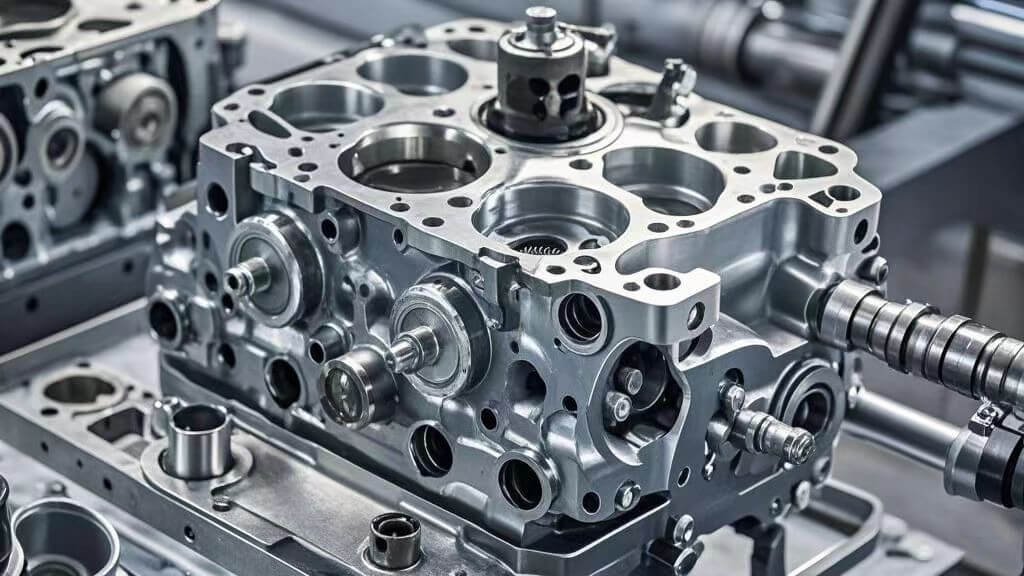
Cylinder heads are typically made from either cast iron or aluminum. Cast iron is known for its strength and resistance to wear, while aluminum offers the benefits of being lightweight and having better thermal conductivity, which helps in managing engine heat more efficiently.
Key Components of a Cylinder Head
The main components of a cylinder head include:
- Combustion Chambers: Where the fuel-air mix ignites.
- Valves: Intake and exhaust valves that control the flow of gases.
- Spark Plugs or Fuel Injectors: Ignite the fuel-air mixture (in gasoline engines) or directly inject fuel (in diesel engines).
- Camshafts: Operate the valves and are either housed within the cylinder head or driven by it.
Manufacturing Process
Cylinder heads are typically cast in a mold, followed by machining to create the precise shapes and passageways needed for engine function. This process requires high precision to ensure that all the components fit and work together perfectly.
Can the Cylinder Head Get Any Defects?
Like any engine component, the cylinder head can suffer from defects, which can lead to serious engine problems if not addressed.
Common Issues Such as Cracks and Warping
One of the most common defects in a cylinder head is cracking, often due to overheating. Warping is another issue, where the cylinder head loses its flatness, causing poor sealing and leading to coolant leaks or loss of compression.
Causes of Cylinder Head Defects
Defects can be caused by various factors, including:
- Overheating: Due to a failing cooling system.
- Improper Torque: When the cylinder head bolts are not tightened correctly.
- Material Fatigue: Over time, even the toughest materials can wear down.
Impact of Defects on Engine Performance
A damaged cylinder head can lead to a host of problems, such as reduced engine power, increased emissions, and even engine failure in severe cases. Addressing these defects promptly is crucial to maintaining engine health.
Repair or Restoration of the Cylinder Head
When faced with a defective cylinder head, the decision to repair or replace it depends on the extent of the damage.
When to Repair vs. When to Replace
Minor defects like small cracks or warping can often be repaired. However, if the damage is extensive, such as deep cracks or significant warping, replacing the cylinder head might be more cost-effective and reliable.
Steps in Cylinder Head Repair
Repairing a cylinder head typically involves the following steps:
- Cleaning: Removing all debris and old gaskets.
- Inspection: Checking for cracks, warping, and other defects.
- Machining: Resurfacing the head to restore flatness and sealing integrity.
- Pressure Testing: Ensuring there are no leaks in the cooling and oil passages.
Costs Involved in Cylinder Head Repair
The cost of cylinder head repair can vary widely, depending on the extent of the damage and the type of engine. Simple repairs might cost a few hundred dollars, while more extensive work could run into the thousands.
How to Recognize Signs of Possible Defects
Catching cylinder head defects early can save you from costly repairs down the road.
Symptoms Like Overheating and Loss of Power
Common signs of a failing cylinder head include:
- Overheating: Persistent engine overheating even after addressing typical cooling issues.
- Loss of Power: A noticeable drop in engine performance, such as sluggish acceleration or rough idling.
Diagnostic Tools and Methods
A mechanic can use several tools to diagnose cylinder head issues, including:
- Compression Testers: To check for loss of compression in the cylinders.
- Pressure Testers: To identify leaks in the cooling system.
- Visual Inspection: Using specialized equipment to look for cracks or warping.
Importance of Early Detection
The sooner you identify a problem with your cylinder head, the easier and cheaper it will be to fix. Ignoring the signs can lead to catastrophic engine failure, requiring extensive repairs or even a complete engine replacement.
How Is the Cylinder Head Cooled in the Engine?
Proper cooling of the cylinder head is essential to prevent overheating and ensure engine longevity.
Role of the Coolant System
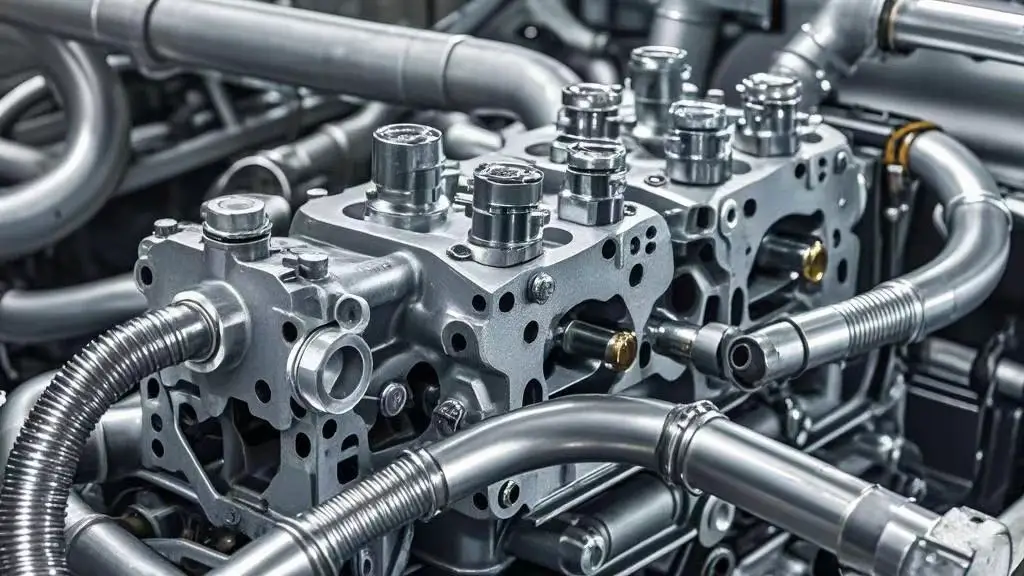
The engine’s coolant system circulates coolant through channels in the cylinder head, absorbing heat generated by combustion and preventing the head from warping or cracking.
Design Features for Effective Cooling
Many cylinder heads are designed with additional fins or passageways to enhance cooling efficiency. The use of aluminum also helps, as it dissipates heat more effectively than cast iron.
Common Cooling Issues and Solutions
Issues such as coolant leaks, a failing water pump, or a clogged radiator can prevent proper cooling of the cylinder head. Regular maintenance, including checking coolant levels and flushing the cooling system, can help prevent these problems.
Conclusion
The cylinder head is undeniably a critical part of an engine, playing a pivotal role in everything from fuel combustion to cooling. Understanding how it works, recognizing the signs of potential defects, and knowing when to repair or replace it are key to ensuring your engine runs smoothly and efficiently. Regular maintenance and early detection of issues can save you from costly repairs and keep your engine in top condition.
FAQs
What happens if a cylinder head is damaged?
If a cylinder head is damaged, it can lead to loss of engine power, increased emissions, overheating, and in severe cases, engine failure. Immediate repair or replacement is necessary to avoid further damage.
How often should the cylinder head be checked?
It’s advisable to have the cylinder head inspected during major service intervals or if you notice symptoms like overheating or loss of power. Regular checks can prevent serious issues.
Can a DIY enthusiast repair a cylinder head?
While minor repairs like replacing a gasket can be done by experienced DIYers, most cylinder head repairs require specialized tools and expertise. It’s best to consult a professional mechanic.
How does cylinder head design affect engine performance?
The design of the cylinder head, including the shape of the combustion chambers and the size of the ports, significantly impacts engine efficiency, power output, and fuel economy.
What are the signs that a cylinder head needs replacement?
Signs that a cylinder head may need replacement include persistent overheating, significant loss of power, visible cracks, and warping. If repairs are too costly or ineffective, replacement is the best option.



Add comment