

How Do Fuel Injectors Work, and What Causes Them to Clog?
Fuel injectors are a crucial component in modern engines, ensuring the precise delivery of fuel for optimal performance. However, like any other engine component, they are prone to clogging, which can lead to decreased efficiency, poor fuel economy, and potential engine damage. In this article, we’ll dive deep into how fuel injectors work, what causes them to clog, and how you can prevent or fix clogged fuel injectors.
What Are Fuel Injectors?
Fuel injectors are electronically controlled valves that deliver fuel into an engine’s combustion chamber in a precise manner. They replace older carburetor-based fuel delivery systems and are now a standard feature in both gasoline and diesel engines.
Role in Modern Engines
- Fuel injectors ensure the right air-to-fuel ratio for efficient combustion.
- They improve fuel economy and reduce emissions.
- Modern engines rely on them for smooth acceleration and consistent power delivery.
By controlling the fuel spray pattern and pressure, fuel injectors contribute to better engine performance and reduced pollution.
How Do Fuel Injectors Work?
Fuel injectors play a crucial role in delivering the right amount of fuel to an engine for efficient combustion. They are electronically controlled devices that spray fuel into the intake manifold or directly into the combustion chamber, depending on the type of fuel injection system. Their primary purpose is to ensure a precise fuel-air mixture, leading to better engine performance, improved fuel efficiency, and lower emissions.
The Fuel Injection Process
The operation of a fuel injector involves several key steps:
- Fuel Pump Activation – The fuel pump pressurizes the fuel and sends it to the injectors through the fuel rail.
- Electronic Signal from the ECU – The engine control unit (ECU) calculates the required fuel amount based on engine speed, load, and temperature. It then sends an electrical signal to the fuel injector.
- Injector Opens and Atomizes Fuel – The injector’s solenoid valve opens, allowing pressurized fuel to pass through a tiny nozzle. This fuel is sprayed as a fine mist to ensure proper mixing with air for efficient combustion.
- Fuel Combustion – The injected fuel mixes with air in the combustion chamber, where the spark plug ignites it, generating the power needed to run the engine.
Key Components of a Fuel Injector
A fuel injector consists of several critical parts that work together to control fuel delivery:
- Nozzle: Determines the spray pattern and ensures fine atomization.
- Solenoid Valve: Opens and closes to control fuel flow.
- Fuel Rail: Supplies fuel to the injectors under constant pressure.
- O-Rings and Seals: Prevent fuel leaks and ensure a tight connection.
Precision and Efficiency
Modern fuel injectors operate at extremely high speeds, opening and closing in milliseconds. This precision allows for better fuel efficiency, smoother engine performance, and reduced emissions. Some advanced fuel injection systems, such as direct fuel injection, further optimize combustion by injecting fuel directly into the combustion chamber instead of the intake manifold.
By working in sync with the ECU, fuel injectors ensure that the right amount of fuel is delivered at the right time, keeping the engine running smoothly and efficiently.
Types of Fuel Injection Systems
Fuel injection technology has evolved over the years, with different systems designed to enhance performance and efficiency.
1. Port Fuel Injection (PFI)
- Fuel is sprayed into the intake manifold just before the intake valve.
- Provides good fuel atomization and consistent performance.
- Common in older and some modern vehicles.
2. Direct Fuel Injection (DFI)
- Fuel is injected directly into the combustion chamber.
- Enhances fuel efficiency and power output.
- Found in most modern high-performance and turbocharged engines.
3. Sequential vs. Continuous Injection
- Sequential Injection: Each injector operates individually, improving efficiency.
- Continuous Injection: Fuel is continuously sprayed, regardless of engine demand (used in older systems).
Signs and Symptoms of a Faulty Fuel Injector
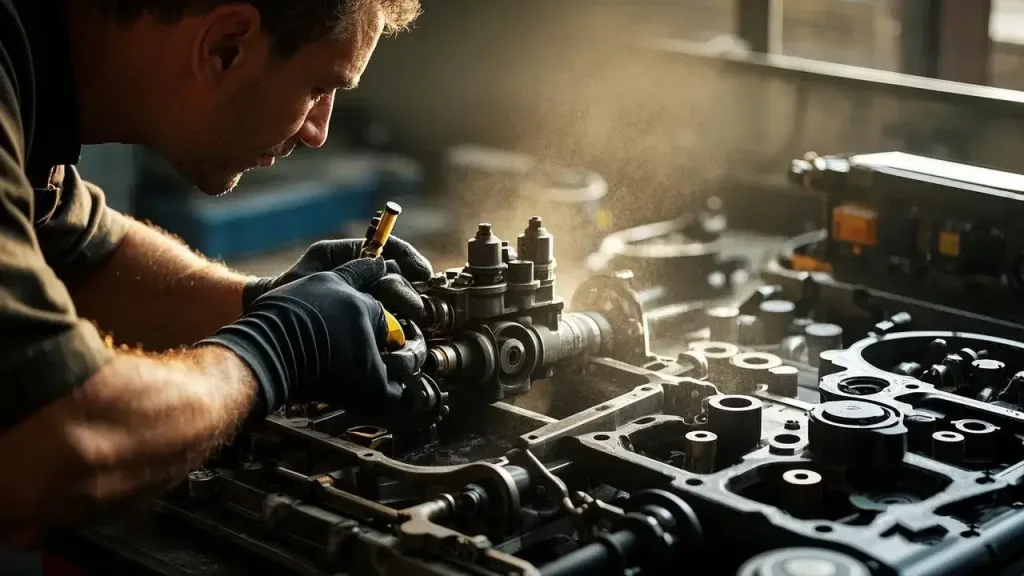
A faulty or clogged fuel injector can disrupt the fuel delivery process, leading to poor engine performance and reduced fuel efficiency. Identifying the warning signs early can help prevent costly repairs and potential engine damage. Here are the most common symptoms of a bad fuel injector:
1. Engine Misfires and Hesitation
- A clogged or malfunctioning fuel injector can prevent the proper amount of fuel from reaching the combustion chamber.
- This can cause the engine to misfire, especially during acceleration or under heavy loads.
- You may notice sudden hesitation, jerking, or a lack of power while driving.
2. Poor Fuel Economy
- If a fuel injector is leaking or not spraying fuel efficiently, the engine may consume more fuel than necessary.
- You might find yourself refueling more frequently despite driving the same distance.
- A decrease in miles per gallon (MPG) is a strong indication of injector issues.
3. Rough Idling and Stalling
- A malfunctioning injector can cause an uneven supply of fuel, leading to rough idling.
- The engine may vibrate excessively, make unusual noises, or even stall at traffic lights.
- In severe cases, the car may struggle to start or fail to start altogether.
4. Check Engine Light Turns On
- Many modern vehicles have sensors that detect fuel injector issues.
- If the ECU detects an inconsistent fuel supply, it may trigger the Check Engine Light (CEL).
- Running a diagnostic scan (OBD-II) can help pinpoint the specific injector causing the problem.
5. Fuel Smell from the Engine Bay
- If an injector is leaking fuel, you may notice a strong gasoline odor coming from under the hood.
- Fuel leaks can be dangerous as they increase the risk of fire. If you smell fuel, address the issue immediately.
6. Increased Exhaust Emissions
- A faulty injector can lead to incomplete combustion, causing the engine to burn fuel inefficiently.
- This can result in increased emissions, excessive black smoke, or a noticeable fuel odor from the exhaust.
- In vehicles with emission sensors, this issue may cause the car to fail an emissions test.
7. Engine Knocking or Pinging Sounds
- If a fuel injector is clogged or malfunctioning, it can cause an imbalance in the air-fuel mixture.
- This imbalance may result in knocking or pinging sounds, especially during acceleration.
- Persistent knocking can lead to severe engine damage over time.
How to Confirm a Faulty Fuel Injector
If you experience one or more of these symptoms, consider the following steps:
- Use an OBD-II Scanner: This tool can identify trouble codes related to fuel injector issues.
- Perform a Fuel Pressure Test: A low or inconsistent fuel pressure reading may indicate injector problems.
- Inspect for Fuel Leaks: Check the injectors and fuel lines for visible leaks or fuel stains.
How to Fix Clogged Fuel Injectors
Clogged fuel injectors can cause poor engine performance, rough idling, and reduced fuel efficiency. Fortunately, there are several ways to clean and restore them. The best approach depends on the severity of the clog and whether you prefer a DIY solution or professional service.
1. Using Fuel Injector Cleaners (Easy DIY Method)
- Fuel injector cleaners are additives mixed with gasoline that help dissolve small deposits.
- This method is effective for mild clogs and should be used regularly as preventive maintenance.
- Steps to use fuel injector cleaner:
- Choose a high-quality fuel injector cleaner.
- Pour the recommended amount into a nearly empty gas tank.
- Fill the tank with fuel and drive as usual.
- Repeat every 3,000 to 5,000 miles for best results.
Best for light buildup, but won’t fix severe clogs!
2. Manual Cleaning (For Moderate Clogs)
- If the cleaner doesn’t solve the issue, manual cleaning might be necessary.
- This involves removing the fuel injectors and cleaning them with specialized tools.
- Steps to manually clean injectors:
- Disconnect the fuel injectors from the engine.
- Attach a fuel injector cleaning kit with pressurized solvent.
- Spray cleaner through the injector to remove deposits.
- Reinstall the injectors and test the engine.
Requires some mechanical skills but can be done at home with the right tools.
3. Professional Ultrasonic Cleaning (For Severe Clogs)
- The most effective method for heavily clogged injectors.
- Mechanics use ultrasonic waves to break down stubborn deposits inside the injectors.
- The process includes:
- Removing the injectors from the engine.
- Placing them in an ultrasonic cleaning machine with a specialized solution.
- Reinstalling and testing for performance improvements.
Best for injectors that are nearly blocked or causing significant engine issues.
4. Replacing the Fuel Injectors (If Cleaning Fails)
- If an injector is too damaged or clogged beyond repair, replacement is the only solution.
- Signs that you need a new injector:
- Persistent misfires even after cleaning.
- Severe leaks or physical damage to the injector.
- Inconsistent fuel delivery leading to engine knocking.
- Cost varies by vehicle type but can range from $250 to $1,500 per injector including labor.
Preventive Steps for Fuel Injector Clogging
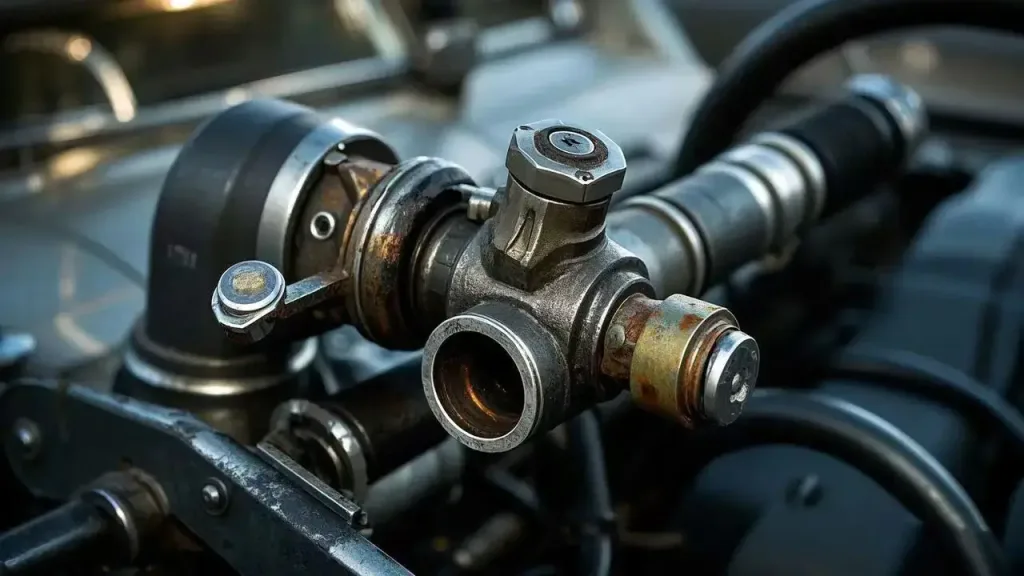
Keeping your fuel injectors clean is essential for maintaining optimal engine performance and fuel efficiency. Clogged injectors can lead to misfires, rough idling, and increased fuel consumption. Fortunately, you can take several preventive measures to keep them in top condition and avoid costly repairs.
1. Use High-Quality Fuel
- Always opt for high-quality gasoline or diesel from reputable fuel stations.
- Premium fuel often contains detergents that help prevent carbon and varnish buildup inside the injectors.
- Avoid using low-quality or contaminated fuel, as it may contain dirt, water, or impurities that can clog injectors over time.
2. Add Fuel Injector Cleaner Regularly
- Using a fuel injector cleaner every 3,000 to 5,000 miles can help dissolve small deposits before they cause major blockages.
- Choose a reputable brand with detergents that clean injectors, valves, and the combustion chamber.
- Follow the manufacturer’s instructions when adding the cleaner to your gas tank.
3. Keep Your Fuel Tank Full
- Running your vehicle on a near-empty tank can lead to sediment buildup in the fuel system, which may clog injectors.
- Keeping your tank at least a quarter full reduces the risk of drawing debris into the fuel injectors.
4. Replace the Fuel Filter Periodically
- The fuel filter traps dirt, rust, and debris before they reach the injectors.
- A clogged filter can reduce fuel flow and allow contaminants to reach the injectors.
- Replace the fuel filter according to your vehicle manufacturer’s recommendations, typically every 20,000 to 40,000 miles.
5. Avoid Using Cheap or Unproven Additives
- While fuel injector cleaners are helpful, avoid using cheap or unverified additives that could harm your fuel system.
- Some additives may contain harsh chemicals that could damage seals and injector components.
6. Perform Regular Engine Maintenance
- Keep up with scheduled maintenance, including oil changes, air filter replacements, and spark plug checks.
- A well-maintained engine runs efficiently and prevents excess carbon buildup that could clog injectors.
7. Drive Your Car Regularly
- Vehicles that sit for long periods may develop fuel deposits due to stagnant fuel.
- Driving regularly ensures fuel circulates through the injectors, reducing the risk of clogging.
8. Monitor Your Engine’s Performance
- Pay attention to early warning signs of injector clogging, such as poor fuel economy, hesitation, or rough idling.
- Address minor issues early to prevent more severe injector problems.
How Much Does It Cost to Replace Fuel Injectors?
Replacing fuel injectors can be a costly repair, but the exact cost depends on several factors, including your vehicle type, the number of injectors needing replacement, and labor charges. Understanding these costs can help you budget for repairs and determine whether a DIY approach is feasible.
1. Average Cost of Fuel Injector Replacement
The total cost of replacing fuel injectors typically ranges from $250 to $1,500 per injector, depending on the vehicle and service provider. Here’s a general breakdown:
| Vehicle Type | Cost per Injector (Parts & Labor) |
| Economy Cars | $250 – $500 |
| Mid-Range Sedans | $400 – $800 |
| Luxury & Performance Cars | $800 – $1,500 |
| Diesel Engines | $1,000 – $3,000 (for full set) |
In some cases, replacing a single faulty injector is possible, but for optimal performance, mechanics often recommend replacing all injectors at the same time.
2. Factors Affecting Fuel Injector Replacement Cost
Several factors influence the total cost:
- Vehicle Make & Model: Luxury and high-performance vehicles often have more expensive injectors and labor costs.
- Number of Injectors Replaced: Some engines have 4, 6, or 8 injectors; replacing multiple injectors increases costs.
- Labor Charges: Labor rates vary by location and repair shop, typically ranging from $50 to $150 per hour.
- Type of Fuel Injector: Direct fuel injectors (common in newer cars) are more expensive than traditional port fuel injectors.
- OEM vs. Aftermarket Parts: OEM (Original Equipment Manufacturer) injectors cost more than aftermarket alternatives but may offer better reliability.
3. DIY vs. Professional Replacement: Which is Cheaper?
- DIY Replacement: If you have mechanical skills, you can save on labor costs by replacing the injectors yourself. A set of injectors for a standard sedan costs $200 to $600, but special tools may be needed.
- Professional Replacement: Mechanics charge for both parts and labor, but they ensure proper installation and calibration. This is the safest option if you’re not experienced with engine repairs.
FAQs
1. How often should fuel injectors be cleaned?
Fuel injectors should be cleaned every 30,000 to 50,000 miles, or as recommended in your vehicle’s owner manual. Using a fuel injector cleaner every 3,000 to 5,000 miles can help prevent deposits from forming. If you notice performance issues like rough idling or poor fuel economy, a professional cleaning may be needed sooner.
2. Can a clogged fuel injector damage an engine?
Yes, a clogged fuel injector can cause engine misfires, poor fuel combustion, and increased emissions. Over time, this can lead to piston damage, catalytic converter failure, and engine knocking. Addressing clogged injectors early can prevent costly repairs.
3. Are fuel injector cleaners effective?
Fuel injector cleaners are helpful for preventing buildup and addressing minor clogs. However, they may not be effective for severely clogged injectors. In such cases, professional ultrasonic cleaning or manual removal is required.
4. What are the best ways to improve fuel injector longevity?
To extend the lifespan of your fuel injectors:
- Use high-quality fuel with detergents that help prevent deposits.
- Regularly add fuel injector cleaner to your gas tank.
- Change the fuel filter at recommended intervals.
- Drive your vehicle regularly to prevent fuel from becoming stagnant.
- Schedule periodic fuel system inspections to detect early issues.
5. How do I know if I need new fuel injectors?
If cleaning doesn’t restore performance, your injectors may need replacement. Signs that indicate replacement is necessary include:
- Persistent engine misfires even after cleaning.
- Fuel leaks around the injector seals.
- Unresponsive throttle or poor acceleration.
- Consistently bad fuel economy despite normal driving habits.
Conclusion
Fuel injectors play a vital role in engine performance, and keeping them clean is essential for efficiency and longevity. Regular maintenance and using high-quality fuel can prevent clogging, saving you from costly repairs. If you experience symptoms of a clogged injector, consider cleaning or professional servicing to restore performance.



Add comment