

What Happens if You Put Sugar in a Gas Tank?
Have you ever wondered what would happen if sugar found its way into your car’s gas tank? There’s a longstanding myth that sugar can turn gasoline into syrup and completely destroy an engine. While this might make for an interesting plot twist in movies, the reality is more complex. Sugar in the fuel system can indeed cause issues, but not in the dramatic way most people imagine.
In this article, we’ll explore the truth about sugar in a gas tank, the potential damage it can cause, how to fix it, and, most importantly, how to prevent it. Whether you’re a car owner or a curious reader, this comprehensive guide will answer all your questions.
What Does Sugar in a Gas Tank Do?
Sugar, unlike other substances like water or salt, does not dissolve in gasoline. Instead, it clumps together and forms a sticky, gooey mass. When introduced into a gas tank, sugar will float in the fuel and potentially clog the fuel lines, fuel injectors, and fuel filter. It is not the sugar itself that directly damages the engine but rather the secondary effects it has on the fuel system.
Here’s a look at the immediate effects:
- Clogging the Fuel Filter: The fuel filter is designed to catch debris and prevent it from entering the engine. Sugar in the fuel tank can clog the filter, leading to a drop in fuel pressure and improper engine performance.
- Clogging the Fuel Injectors: Sugar can also pass into the fuel injectors, where it can clog or disrupt the spray pattern of the injectors. This can result in poor combustion, reduced engine power, and poor fuel efficiency.
- Fuel Pump Damage: If enough sugar is introduced into the tank, it could clog the fuel pump or cause it to work harder, resulting in overheating and premature failure.
In severe cases, the sugar clumps could make their way into the engine, potentially causing internal damage.
Long-Term Effects and Fuel System Maintenance
Even if the sugar doesn’t cause immediate catastrophic failure, it can have long-term consequences. For example, the debris and particles that result from sugar clumps can wear out the fuel system over time. Constant clogging and debriding of the fuel injectors or pump can lead to significant long-term engine issues, poor performance, and expensive repairs.
To minimize these long-term effects, here are some important maintenance tips:
- Frequent Fuel Filter Replacements: Sugar can clog filters quickly, so it’s essential to check and replace fuel filters more frequently if contamination is suspected.
- Regular Fuel System Cleanings: Fuel system cleaning can help remove the accumulated debris from the sugar, preventing further damage to injectors, the pump, and other components.
- Monitoring Fuel Pressure: If sugar has been introduced to the tank, keeping an eye on fuel pressure can alert you to the potential buildup of obstructions.
How to Fix Sugar in Gas Tank
Discovering that sugar has been added to your gas tank can be alarming. While sugar doesn’t dissolve in gasoline and immediately destroy the engine, it can cause significant damage to the fuel system if not addressed promptly. Fortunately, with the right steps, the situation can be resolved and the vehicle’s performance restored. Here’s what you need to do if you suspect sugar contamination in your gas tank:
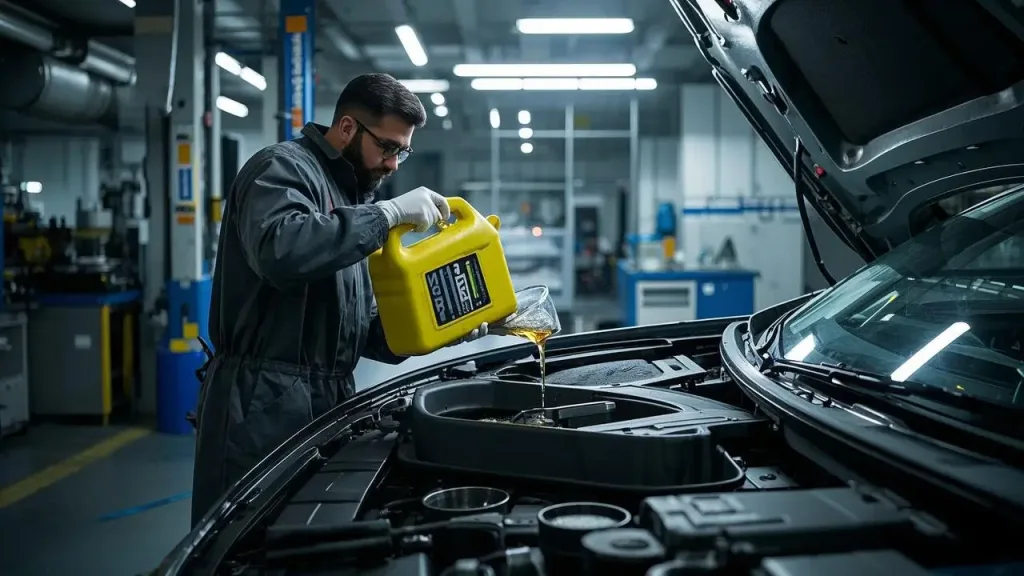
1. Do Not Start the Engine
If you suspect that someone has put sugar in your gas tank, the very first thing you need to do is not start the engine. Starting the car will allow the sugar to circulate through the fuel system, making the problem worse. The sugar will pass through the fuel lines and reach the fuel filter, injectors, and potentially the fuel pump, causing clogs and disruptions in fuel delivery.
If the engine is already running and showing signs of poor performance (stuttering, stalling, or a noticeable loss of power), turn off the engine immediately to avoid further damage.
2. Drain the Fuel Tank
The next critical step is to remove all of the contaminated fuel from the tank. Sugar in the fuel needs to be flushed out before any further repairs can be made. There are several ways to do this:
- Siphoning the Fuel: One of the quickest methods is to siphon the fuel from the tank using a fuel siphon pump. Be sure to use a pump that is specifically designed for gasoline to avoid safety hazards.
- Removing the Gas Tank: If the siphoning method isn’t feasible, the fuel tank may need to be removed entirely from the vehicle. This is more labor-intensive but ensures that all the fuel and contaminants are properly drained.
It’s crucial that all of the fuel is removed—including any residual sugar particles—so the system can be thoroughly cleaned.
3. Inspect and Clean the Fuel System
Once the tank is emptied of all fuel, you’ll need to inspect and clean the rest of the fuel system to ensure there’s no remaining sugar that could cause future issues. Start by examining the following key components:
a. Fuel Filter
The fuel filter is the first line of defense against contaminants in the fuel, and sugar can easily clog it. To clean or replace the fuel filter:
- Remove the fuel filter and check for any blockages or sugar deposits. If there’s noticeable clogging, the filter will likely need to be replaced.
- If the filter appears relatively clean but you’re unsure, clean it with compressed air or use a fuel system cleaner to remove any minor sugar residue.
b. Fuel Injectors
Sugar particles can also find their way into the fuel injectors, where they can cause clogs that disrupt fuel delivery. To clean the injectors:
- Use a fuel injector cleaning kit that attaches to the fuel lines, allowing you to force a cleaning solution through the injectors.
- If the clog is severe, removal and manual cleaning by a professional might be necessary. Sometimes, fuel injectors can become so clogged that they require full replacement.
c. Fuel Pump
The fuel pump can be another casualty of sugar contamination. If the sugar has clogged the pump or caused it to fail, it may need to be replaced. Check for:
- Reduced fuel pressure or erratic fuel delivery, both of which can indicate pump damage.
- Pump removal and inspection: If the pump is accessible, carefully remove it and check for any visible sugar build-up or damage. A compromised fuel pump will need to be replaced.
d. Fuel Lines
While less likely to become severely clogged by sugar, the fuel lines should still be inspected for any potential obstructions. If necessary, flush the lines with a fuel system cleaning solution or compressed air to remove any lingering sugar or debris.
4. Replace Damaged Components
After thoroughly cleaning the fuel system, the next step is to assess whether any components have been damaged beyond repair. The most common parts that may need replacing due to sugar contamination include:
- Fuel Filters: If the filter is clogged or damaged beyond cleaning, replace it with a new one to ensure proper filtration.
- Fuel Injectors: If cleaning the injectors doesn’t resolve the issue, you may need to replace them to restore proper fuel delivery and combustion.
- Fuel Pump: If the pump is found to be damaged or unable to deliver proper fuel pressure, it will need to be replaced to avoid engine stalling or performance issues.
5. Refuel with Fresh Gasoline
Once you’ve cleaned or replaced all the necessary components, it’s time to refill the tank with fresh fuel. It’s important to use high-quality gasoline to prevent any further contamination or performance issues.
At this point, you should also consider adding a fuel system cleaner to the fresh gasoline. Fuel system cleaners can help remove any remaining debris or contaminants in the system, ensuring that your fuel injectors, pump, and lines remain clear of blockages.
6. Test the Vehicle
After refueling the car, start the engine and monitor its performance. Here’s what to look for:
- Smooth idle: The engine should idle smoothly without sputtering or stalling.
- Acceleration: The car should accelerate without hesitation or roughness.
- Fuel Pressure: If you have the equipment, check the fuel pressure to ensure that it is within the correct range.
If the vehicle runs smoothly and there are no further signs of fuel delivery issues, the repair process has likely been successful.
7. Preventative Measures for the Future
Once you’ve addressed the issue, take steps to prevent future fuel contamination:
- Secure Your Gas Tank: Always ensure the gas cap is tightly sealed and check it regularly for any damage. Some vehicles have locking gas caps for added security.
- Park in Safe Locations: Whenever possible, park your car in a secure location where vandalism is less likely to occur. If you’re in a high-risk area, consider using a locking gas cap.
- Be Cautious with Fueling Stations: If you frequent sketchy or poorly maintained fueling stations, there’s a chance your car could be contaminated by outside sources, such as water or other harmful substances.
What to Avoid for Engine Health
While sugar is often regarded as the worst contaminant, other substances can also harm your vehicle’s engine. Here are things you should avoid to keep your engine healthy:
- Water in the Gas Tank: Water can settle in the bottom of the fuel tank, leading to corrosion and rust in the fuel system, as well as poor combustion.
- Dirt and Debris: Even small pieces of dirt or debris can clog fuel lines, injectors, and the fuel filter, leading to engine performance issues.
- Incorrect Fuel: Using the wrong grade of fuel for your car can lead to knocking, premature engine wear, and inefficient combustion. Always follow manufacturer guidelines.
Water in the Gas Tank
Water in the gas tank is another common problem that can cause serious damage. Unlike sugar, water can dissolve in gasoline but often separates and collects at the bottom of the tank due to its higher density. This water can lead to engine stalling, poor acceleration, and long-term damage if not dealt with.
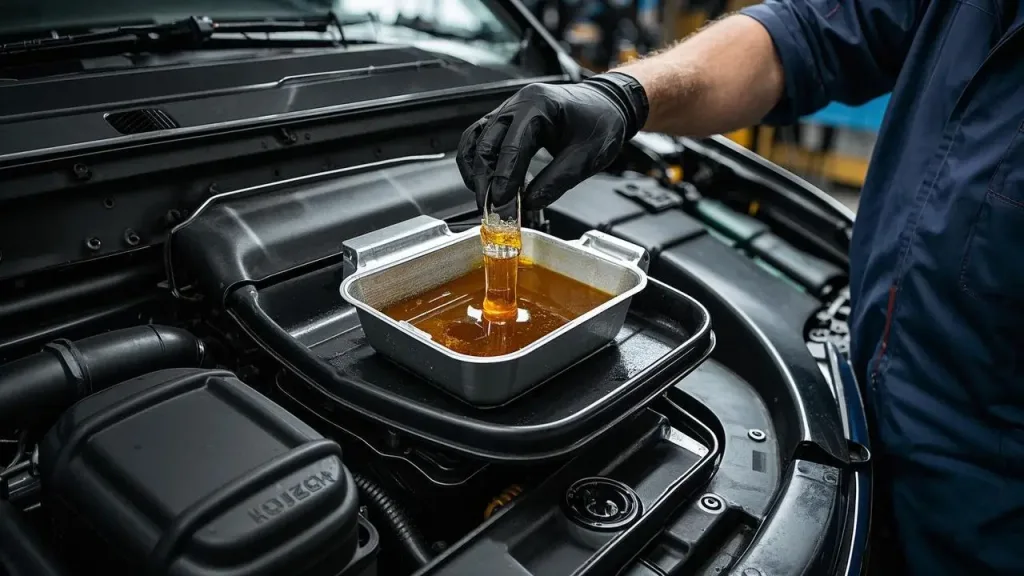
If you suspect water contamination:
- Drain the Fuel Tank: Just like sugar, water needs to be drained from the tank to prevent damage.
- Use a Fuel Dryer: Fuel dryers can help absorb any remaining water in the system, especially when water levels are low but still a concern.
- Inspect the Fuel System for Corrosion: Prolonged water exposure can lead to rust and corrosion, so it’s important to check your fuel lines, filter, and pump for damage.
Other Harmful Substances
There are several other substances that can also damage your vehicle’s fuel system:
- Salt: Salt can accelerate corrosion within the fuel system, particularly if it enters through external exposure like saltwater.
- Diesel Fuel in a Gas Tank: Putting diesel in a gasoline car can cause engine misfires and damage to components like the fuel pump and injectors.
- Cleaning Chemicals or Solvents: These substances are designed to clean but not meant to be introduced into the fuel system. They can cause damage to rubber seals and gaskets, disrupting engine functionality.
Protecting Your Vehicle
To protect your vehicle from fuel system contamination, here are a few preventative measures:
- Secure Your Gas Cap: Make sure the gas cap is tightly secured to prevent foreign objects from entering the tank.
- Park in Secure Locations: Avoid parking in areas where malicious individuals may have access to your vehicle.
- Fuel Tank Additives: Some additives can help protect the fuel system and clean injectors, ensuring that your engine runs efficiently.
FAQ/People Also Ask
1. Can sugar in the gas tank completely destroy the engine?
No, sugar does not dissolve in gasoline, and it’s unlikely to completely destroy the engine. However, it can cause serious damage to the fuel system, including clogged fuel filters, injectors, and the fuel pump. If the issue isn’t addressed promptly, it can lead to long-term performance problems and expensive repairs.
2. How much sugar does it take to cause damage to a car’s fuel system?
Even small amounts of sugar can cause clogs in the fuel filter and injectors. However, larger amounts—such as a few tablespoons or more—can lead to more severe clogging and may damage the fuel pump and injectors, requiring replacement. The amount of sugar needed to cause noticeable damage varies depending on the vehicle’s fuel system design and how quickly the sugar circulates through the system.
3. What are the signs that there is sugar in my gas tank?
If sugar has been added to your gas tank, you may notice the following signs:
- Sputtering or stalling: The car may struggle to maintain a steady idle and could stall at stoplights or during acceleration.
- Poor acceleration or reduced engine power: The engine may feel sluggish and fail to respond to the throttle as expected.
- Fuel pressure issues: In some cases, the vehicle may not start at all if the fuel pump is clogged or damaged.
- Check engine light: A clogged fuel injector or pressure drop in the system can trigger the check engine light.
4. How do I know if someone has put sugar in my gas tank?
The most obvious way to confirm sugar in the tank is by observing the symptoms listed above. If you suspect sabotage but can’t confirm it, you can:
- Examine the fuel filter: If it’s clogged or contains a sticky substance, sugar might be the culprit.
- Inspect the fuel injectors: If they are clogged with gooey, sticky material, sugar could be the cause.
- Check for unusual fuel deposits: If you notice something other than fuel in the tank or fuel system, it may be sugar or another contaminant.
5. Can I fix sugar in my gas tank myself?
Yes, it’s possible to fix sugar contamination in your gas tank on your own, though it requires some mechanical knowledge and tools. Here’s a brief overview of what you’ll need to do:
- Drain the contaminated fuel from the tank.
- Inspect and clean the fuel filter, fuel injectors, and fuel pump.
- Replace any damaged components like the fuel filter or fuel pump.
- Refill the tank with fresh gasoline and test the vehicle.
However, if you’re not comfortable performing these tasks, it’s advisable to seek professional help from a mechanic.
6. How can I prevent someone from putting sugar in my gas tank?
Here are a few preventative measures to protect your vehicle from fuel tank sabotage:
- Lock your gas cap: Some vehicles come with a locking gas cap for extra security. If your vehicle doesn’t have one, consider buying an aftermarket locking cap.
- Park in secure, well-lit areas: Parking in high-traffic areas or well-lit spaces can deter vandals from tampering with your car.
- Consider a car alarm or surveillance: If you’re in a high-risk area, installing a car alarm or parking near security cameras may provide additional protection.
7. Is sugar in the gas tank a common form of vandalism?
While sugar in the gas tank is often depicted in movies or urban legends, it’s relatively rare in real life. Vandalism or malicious tampering with fuel systems does occur, but it’s not as common as other forms of vehicle damage. However, it’s still important to be aware of the possibility, especially if you live in an area where vandalism is more frequent.
8. What happens if I accidentally put sugar in my gas tank?
If you accidentally put a small amount of sugar in your gas tank (perhaps due to an error or misunderstanding), it’s important to remove the fuel immediately. Even a small amount of sugar can cause issues. If the sugar is already circulating through the system, take the vehicle to a mechanic who can drain the fuel and clean the fuel system.
9. Will the sugar dissolve if I drive the car?
No, sugar does not dissolve in gasoline. It will remain as a solid and can form a sticky sludge that clogs your fuel system. Driving the car will only spread the sugar through the system and increase the risk of clogs and damage.
10. Can water in the gas tank cause similar problems as sugar?
Yes, water in the gas tank can also cause engine and fuel system problems, though in different ways. Water can settle at the bottom of the tank, causing rust and corrosion in the fuel system, and may cause the engine to misfire or stall. While sugar primarily causes clogs, water leads to corrosion and performance issues. The steps to fix water contamination in the gas tank are similar to those for sugar contamination, such as draining the tank and inspecting the system.
11. Can adding fuel additives help with sugar in the gas tank?
Fuel additives can help clean minor deposits in the fuel system, but they are unlikely to resolve a significant sugar blockage. While additives may improve the condition of the injectors or fuel lines in cases of mild contamination, they are not a replacement for physically cleaning or replacing clogged components. If you suspect serious sugar contamination, the system should be properly cleaned, and any damaged parts should be replaced.
12. How much does it cost to fix sugar in the gas tank?
The cost of fixing sugar contamination in the gas tank varies depending on the extent of the damage. For minor cases where only the fuel filter needs to be replaced, the cost could range from $100 to $300. However, if the fuel injectors, fuel pump, or other components are damaged and need replacement, the total repair bill could reach $500 to $1,500 or more, depending on the make and model of your vehicle and the labor involved.
Conclusion
While the notion of sugar in the gas tank is often exaggerated in urban legends, it’s still a serious issue that can cause significant damage to a vehicle’s fuel system. Immediate action, such as draining the fuel tank and cleaning or replacing clogged components, is necessary to prevent long-term damage. Regular fuel system maintenance, vigilant monitoring of fuel quality, and securing your gas tank can help avoid these problems altogether. Stay aware of other contaminants and substances that can harm your vehicle, and always ensure that your car is running with clean, high-quality fuel.



Add comment