

Failing Timing Cover Symptoms
Your car’s timing cover might not be the first thing you think about when it comes to engine maintenance, but this unassuming component plays a crucial role in keeping your engine running smoothly. If the timing cover is damaged or failing, it can lead to major engine issues if left unaddressed. In this article, we’ll cover the symptoms of a bad timing cover, what causes damage, and how to address the issue.
What Is a Timing Cover?
The timing cover is a protective shield that encloses your engine’s timing components, such as the timing belt or chain. It prevents dirt, debris, and moisture from interfering with these parts while keeping engine oil inside for proper lubrication. Timing covers are typically made of metal or durable plastic, and they’re designed to endure extreme conditions. However, like any part, they can wear out over time.
What Are the Symptoms of a Bad Timing Cover?
A bad or failing timing cover often reveals itself through a variety of warning signs. Ignoring these symptoms can lead to serious engine damage over time, so it’s essential to recognize them early. Let’s take a closer look at the most common indicators of a problematic timing cover:
Oil Leaks
One of the most obvious signs of a bad timing cover is oil leaking from the engine. You may notice oil dripping onto the ground or pooling beneath your car. This happens when the timing cover’s gasket becomes worn, cracked, or damaged, allowing oil to escape. Over time, a leaking timing cover can lead to reduced oil levels, increasing the risk of engine wear and overheating.
Unusual Engine Noises
If the timing cover is loose, cracked, or damaged, it can cause rattling or grinding noises while the engine is running. These sounds may come from debris entering the timing system or the cover itself vibrating due to improper sealing. Pay attention to any abnormal sounds, especially when accelerating or idling.
Check Engine Light Activation
Modern vehicles with advanced engine management systems may trigger the check engine light if the timing cover is failing. This can occur when a leaking cover affects timing system components or disrupts proper engine operation. Always investigate a check engine light promptly to avoid further complications.
Engine Overheating
A damaged timing cover can lead to oil leaks, reducing the lubrication available to critical engine components. Without adequate oil, friction increases, and the engine may overheat. If you notice rising temperature levels on your dashboard gauge, inspect the timing cover for damage.
Visible Damage
Inspecting the timing cover directly can sometimes reveal cracks, dents, or worn gaskets. While this may require removing some parts for better visibility, any visible damage is a clear indication that the cover needs attention.
Decreased Engine Performance
If the timing cover affects the engine’s timing components, you might notice a drop in performance. Issues such as rough idling, reduced acceleration, or hesitation when you press the gas pedal could all be linked to a failing timing cover.
By staying alert to these symptoms, you can catch timing cover problems early and prevent more extensive—and expensive—engine damage. Always address these warning signs promptly to keep your vehicle running smoothly.
Common Causes of Timing Cover Damage
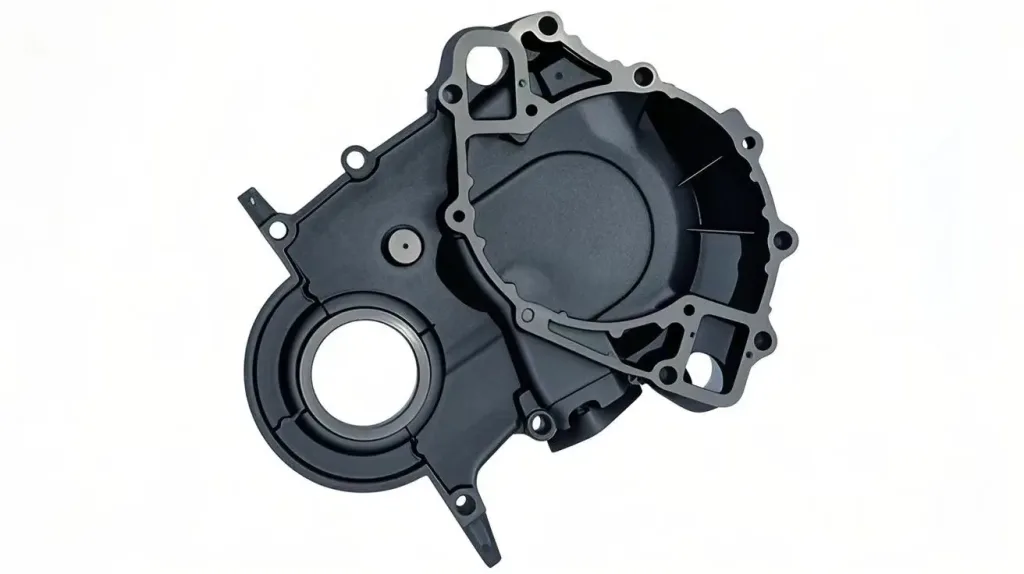
Timing cover damage can stem from a variety of factors, many of which develop over time as your engine experiences regular wear and tear. Understanding these causes can help you prevent potential issues or address them before they become severe. Here are the most common reasons why a timing cover might get damaged:
Wear and Tear Over Time
Like any other component in your engine, the timing cover is subjected to constant heat, pressure, and vibration. Over the years, this exposure can cause the cover material to weaken, crack, or warp. Gaskets sealing the cover can also deteriorate, leading to oil leaks and other issues.
Oil or Coolant Contamination
If oil or coolant leaks onto the timing cover, it can weaken the material or degrade the gasket over time. This is particularly common in older vehicles where seals may no longer be as tight, allowing fluids to escape and damage surrounding components.
Improper Installation
If a timing cover is not installed correctly during a previous repair or replacement, it can lead to premature failure. Loose bolts, uneven gasket sealing, or improper alignment can all contribute to cover damage, causing leaks or rattling noises.
Physical Impact or External Damage
Debris from the road, minor collisions, or accidental hits during repairs can crack or dent the timing cover. While timing covers are designed to be durable, they are not indestructible, and any significant impact can lead to long-term problems.
Gasket Failure
The gasket that seals the timing cover to the engine can dry out, crack, or lose its elasticity over time. When this happens, oil leaks become more likely, which can contribute to overheating, reduced lubrication, and eventual engine damage.
Over-Tightened or Loose Bolts
Bolts that are either over-tightened or left too loose during installation can cause issues. Over-tightening can crack or warp the cover, while loose bolts can allow it to vibrate or leak oil. Both scenarios put unnecessary stress on the timing cover and its seals.
Corrosion
In some cases, moisture or certain chemicals in the engine bay can cause corrosion, especially on metal timing covers. Corrosion can weaken the cover’s structure, leading to cracks, holes, or compromised sealing.
Defective Manufacturing or Material
Although rare, defects in the manufacturing process or the material used for the timing cover can lead to premature failure. This is more likely in vehicles with aftermarket parts of lower quality.
By understanding these causes, you can take preventative steps such as regular inspections, proper maintenance, and using high-quality replacement parts. Catching these issues early can save you from costly repairs and keep your engine running smoothly for years to come.
Should You Drive With a Leaking Timing Cover?
In short, no. Driving with a leaking timing cover can lead to significant engine damage. Oil leaks can reduce lubrication, causing the timing chain or belt to wear out faster. Additionally, low oil levels can lead to engine overheating or even complete failure. It’s best to address the issue as soon as you notice the symptoms.
How Do You Fix a Bad Timing Cover?
Repairing a timing cover often involves replacing the damaged cover or gasket. Here’s a general overview of the process:
- Drain Engine Oil: Oil must be removed to access the timing cover without creating a mess.
- Remove Components: This includes belts, pulleys, and possibly other parts that obstruct the timing cover.
- Inspect for Damage: Check the timing cover, gasket, and surrounding components for issues.
- Replace the Cover or Gasket: Install a new timing cover or gasket if necessary.
- Reassemble and Refill Oil: Reinstall components and refill engine oil to the proper level.
Can You Replace a Bad Timing Cover By Yourself?
If you’re handy with tools and have some experience working on cars, you might be able to replace a timing cover on your own. However, this job can be complex, especially in modern vehicles with limited engine bay space. You’ll need the right tools, replacement parts, and a reliable guide. For most people, it’s best to leave this repair to a professional mechanic.
Get a Replacement Timing Cover That Fits Your Vehicle
If your timing cover is showing signs of damage or leaking, finding the right replacement is essential to restore your engine’s performance. A high-quality timing cover ensures proper protection for critical components, prevents leaks, and maintains the integrity of your engine’s timing system. When searching for a replacement, make sure to select one designed specifically for your vehicle’s make, model, and engine type. A well-fitted timing cover minimizes installation challenges and guarantees optimal performance.
At Wanasign, we offer a wide selection of timing covers and gasket kits that cater to various vehicles, from sedans to SUVs. Our products are made with durable materials to withstand the rigors of daily driving and extreme conditions. With an easy ordering process and reliable shipping, Wanasign provides high-quality parts at a reasonable price, helping you get your vehicle back on the road in no time. Don’t settle for less—choose a timing cover that fits perfectly and stands the test of time.
Conclusion
A failing timing cover might seem like a small issue, but it can lead to significant engine problems if ignored. By recognizing the symptoms early and addressing the damage, you can save yourself from costly repairs down the road. Whether you choose to fix it yourself or trust a professional, don’t wait too long to take action.
For more information about replacement parts or advice on maintaining your engine, visit wanasignauto.com and explore our extensive range of automotive solutions.



Add comment