

What Happens When a Rocker Arm Goes Bad?
Rocker arms are a critical component of your engine’s valve train, and when they go bad, they can cause a host of engine problems. Understanding what rocker arms do, how to recognize signs of damage, and knowing when to replace them can save you from costly repairs down the road. In this article, we’ll explore what happens when a rocker arm goes bad, how to maintain them, and whether you can handle the repairs yourself.
What Are Rocker Arms?
Rocker arms are essential parts of an internal combustion engine’s valve train. They serve as levers that transfer the camshaft’s motion to the valves, allowing them to open and close at the correct times during the engine’s operation. Rocker arms are typically found in overhead valve (OHV) engines, where they are mounted on a pivot point above the cylinder head.
Types of Rocker Arms
There are several types of rocker arms, including:
- Stamped Steel Rocker Arms: These are the most common and are used in many stock engines. They are inexpensive and durable but can flex under high stress.
- Roller Rocker Arms: These feature a roller at the contact point, reducing friction and wear. They are often used in high-performance engines.
- Shaft-Mounted Rocker Arms: Found in some high-performance engines, these rocker arms are mounted on a shaft that provides more stability and reduces wear.
What Does a Rocker Arm Do?
The primary function of a rocker arm is to translate the rotational motion of the camshaft into linear motion that opens and closes the engine’s valves. Here’s how it works:
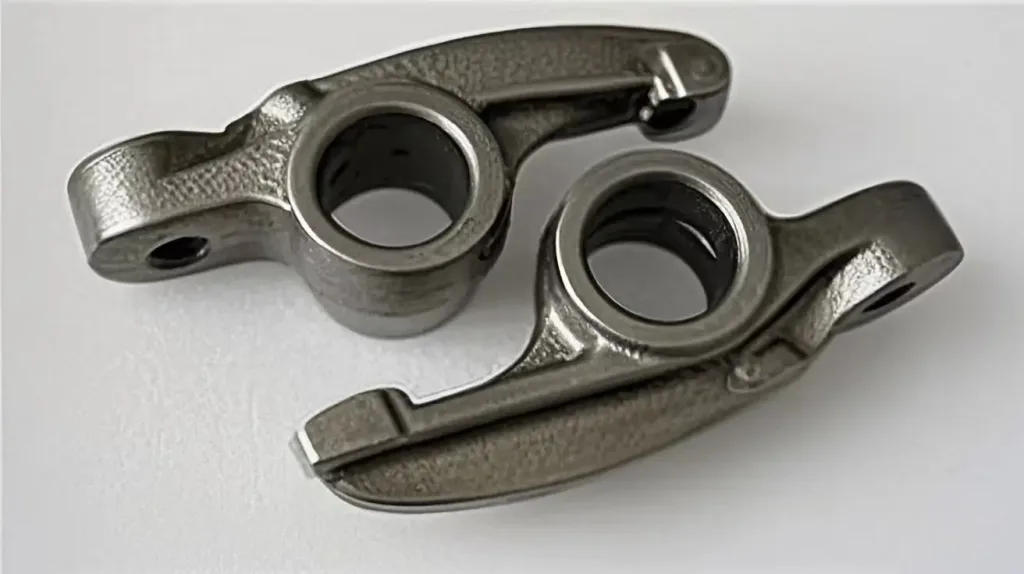
- Camshaft Rotation: As the camshaft rotates, its lobes push against the rocker arm.
- Rocker Arm Movement: The rocker arm pivots on its mount, pushing down on the valve stem to open the valve.
- Valve Operation: When the camshaft lobe moves away, the rocker arm allows the valve to close, ensuring proper timing for the intake and exhaust processes.
Without properly functioning rocker arms, the engine’s valves would not open and close at the right times, leading to poor performance or even engine damage.
How Do I Know If My Rocker Arms Are Damaged?
Identifying a damaged rocker arm early can prevent more severe engine problems. Here are some common signs of a bad rocker arm:
1. Ticking or Clicking Noises
A prominent ticking or clicking noise from the top of the engine is often the first sign of a damaged rocker arm. This noise occurs because the rocker arm is no longer maintaining proper contact with the valve stem or pushrod.
2. Poor Engine Performance
A bad rocker arm can cause a noticeable drop in engine performance. You may experience rough idling, loss of power, misfires, or difficulty starting the engine.
3. Misfires
If a rocker arm is damaged, it may not fully open the valve, leading to incomplete combustion in the cylinder. This can cause the engine to misfire, especially under load.
4. Check Engine Light
A malfunctioning rocker arm can trigger the check engine light. The engine control unit (ECU) monitors the valve operation, and if it detects an issue, it will illuminate the check engine light.
5. Valve Damage
In severe cases, a bad rocker arm can lead to valve damage. If the rocker arm fails to operate the valve correctly, it can cause the valve to stick open or closed, leading to bent valves or other significant engine damage.
Can I Repair Rocker Arms Myself?
Whether you can repair rocker arms yourself depends on your mechanical skill level and the tools you have available.
DIY Rocker Arm Replacement
Replacing rocker arms is a task that many DIY enthusiasts can handle, especially if they have experience working on engines. The process typically involves:
- Removing the Valve Cover: You’ll need to remove the valve cover to access the rocker arms.
- Inspecting the Rocker Arms: Check for any visible damage or wear.
- Replacing the Rocker Arms: If necessary, replace the damaged rocker arms with new ones, ensuring proper torque on all bolts.
- Reassembling the Engine: Once the new rocker arms are installed, reassemble the engine components and test the engine.
When to Seek Professional Help
If you’re not comfortable working on your engine, or if the damage appears severe, it’s best to seek professional help. Improper installation of rocker arms can lead to further engine damage.
How Often Should I Check and Maintain My Rocker Arms?
Regular maintenance of your engine’s valve train, including rocker arms, is crucial for keeping your engine running smoothly.
Routine Inspections
It’s a good idea to inspect your rocker arms during regular engine maintenance or whenever you perform a valve adjustment. Checking for signs of wear, such as excessive play, cracks, or metal fatigue, can help you catch potential problems early.
Maintenance Tips
- Keep the Engine Properly Lubricated: Ensure that your engine has the correct amount and type of oil. Proper lubrication is key to preventing rocker arm wear.
- Follow Manufacturer Guidelines: Always follow the manufacturer’s recommendations for valve adjustments and rocker arm maintenance.
Are There Any Aftermarket Upgrades Available for Rocker Arms?
Yes, several aftermarket upgrades are available for rocker arms, especially for those looking to enhance engine performance.
Performance Rocker Arms
Performance rocker arms, such as roller rocker arms, are designed to reduce friction and wear. They are often used in high-performance or racing engines to improve valve operation and increase horsepower.
Stronger Materials
Some aftermarket rocker arms are made from stronger materials, such as aluminum or chromoly steel, which can handle higher stress and temperatures compared to stock rocker arms.
Ratio Upgrades
Upgrading to a higher rocker arm ratio can increase the valve lift, allowing more air and fuel into the combustion chamber. This can result in a significant performance boost.
Can You Drive With a Bad Rocker Arm?
Driving with a bad rocker arm is not advisable. A damaged rocker arm can lead to poor engine performance, increased wear on other components, and potentially severe engine damage.
Short-Term Driving
If you must drive with a bad rocker arm, do so cautiously and only for a short distance, such as getting the vehicle to a repair shop. Be aware that continuing to drive with this issue can lead to more extensive and expensive repairs.
Long-Term Risks
Prolonged driving with a bad rocker arm can cause the valve to stick open or closed, leading to piston and valve collisions, bent valves, and even a complete engine rebuild.
Common Causes of Rocker Arm Damage
Understanding what causes rocker arms to fail can help you prevent future issues.
1. Insufficient Lubrication
Rocker arms rely on proper lubrication to reduce friction and wear. Low oil levels, dirty oil, or oil starvation can cause the rocker arms to wear out prematurely.
2. Excessive Wear
Over time, rocker arms can wear down due to the constant stress of engine operation. High mileage engines are more likely to experience rocker arm wear.
3. Manufacturing Defects
In rare cases, rocker arms may fail due to manufacturing defects. This could involve improper material hardening or machining errors that lead to premature failure.
4. Incorrect Valve Adjustments
Improperly adjusted valves can put excessive stress on rocker arms, leading to premature wear or failure. Regular valve adjustments according to the manufacturer’s specifications can prevent this issue.
Signs and Symptoms of Rocker Arm Issues
Identifying rocker arm issues early can save you from more severe engine problems. Here are some key signs and symptoms to watch for:
1. Unusual Engine Noises
Any unusual ticking, clicking, or tapping noises from the engine should be investigated immediately, as these can be early signs of rocker arm problems.
2. Loss of Power
A noticeable loss of power, rough idling, or misfires can indicate that a rocker arm is not functioning correctly.
3. Increased Exhaust Emissions
A malfunctioning rocker arm can lead to incomplete combustion, resulting in increased exhaust emissions and possibly a failed emissions test.
Steps to Diagnose Rocker Arm Problems
Diagnosing rocker arm problems requires a systematic approach:
1. Listen for Noises
Start by listening to the engine for any unusual noises. Use a mechanic’s stethoscope to pinpoint the source of the noise.
2. Perform a Visual Inspection
Remove the valve cover and inspect the rocker arms for signs of wear, cracks, or misalignment.
3. Check Valve Operation
Turn the engine over manually and observe the movement of the rocker arms. Ensure they are opening and closing the valves correctly.
4. Use Diagnostic Tools
If the check engine light is on, use a diagnostic scan tool to read any trouble codes related to valve operation, which could indicate rocker arm issues.
How Much Does It Cost to Replace a Rocker Arm?
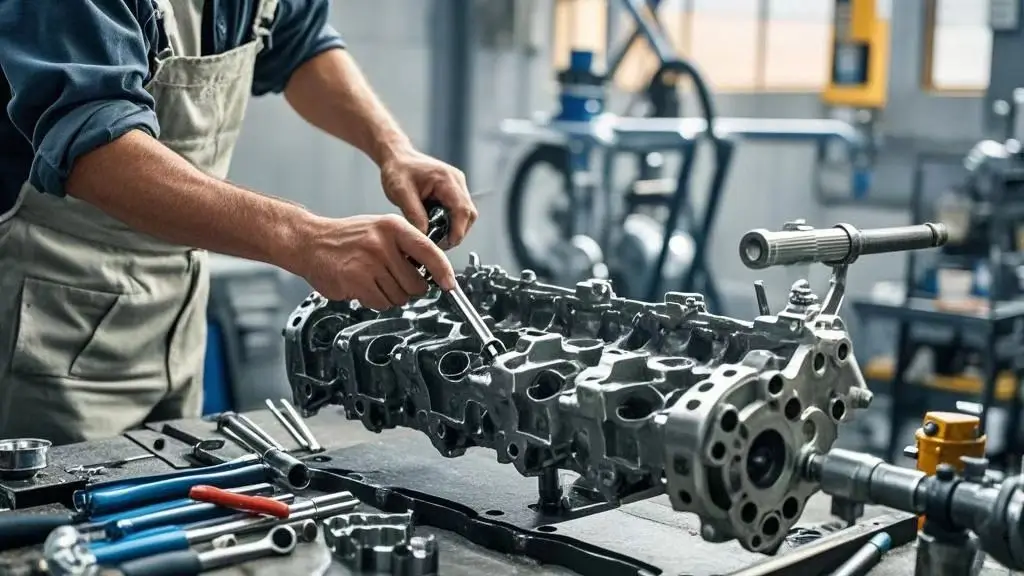
The cost to replace a rocker arm can vary widely depending on the vehicle make and model, labor costs, and whether you choose OEM or aftermarket parts.
Parts Cost
Rocker arms themselves are relatively inexpensive, typically ranging from $10 to $50 each. However, performance or aftermarket rocker arms can cost more.
Labor Cost
Labor costs for replacing rocker arms can range from $200 to $500, depending on the complexity of the job and your location. If other parts, such as pushrods or lifters, need to be replaced, the cost may increase.
Rocker Arm Mounting Styles
Rocker arms can be mounted in different ways, depending on the engine design:
1. Stud-Mounted
Stud-mounted rocker arms are bolted directly to the cylinder head using a stud. This is the most common mounting style and is found in many production engines.
2. Shaft-Mounted
Shaft-mounted rocker arms are mounted on a shaft that spans multiple cylinders. This design provides better stability and is commonly used in high-performance engines.
3. Pedestal-Mounted
Pedestal-mounted rocker arms are secured to a pedestal on the cylinder head. This style is often used in engines with hydraulic lifters, providing easy adjustment.
Featured Engine Rocker Arms
If you’re looking for high-quality rocker arms for your engine, here are some top options:
1. COMP Cams Magnum Roller Rocker Arms
COMP Cams offers a range of roller rocker arms designed for both street and race applications. Their Magnum series is known for durability and performance.
2. Scorpion Race Series Rocker Arms
Scorpion’s Race Series rocker arms are made from aircraft-grade aluminum and are built to withstand extreme conditions. They are a popular choice for high-performance engines.
3. Harland Sharp Roller Rocker Arms
Harland Sharp is a well-known brand in the performance industry, offering high-quality roller rocker arms that reduce friction and increase horsepower.
Tips for Preventing Future Rocker Arm Damage
Proper maintenance and care can extend the life of your rocker arms and prevent future damage:
1. Regular Oil Changes
Keep your engine well-lubricated by following the manufacturer’s recommended oil change intervals. Use high-quality oil to reduce wear on the rocker arms.
2. Routine Inspections
Inspect your rocker arms and valve train components regularly, especially if you notice any unusual noises or performance issues.
3. Proper Valve Adjustments
Ensure that your valves are properly adjusted according to the manufacturer’s specifications. Incorrect valve adjustments can lead to excessive stress on the rocker arms.
4. Avoid Over-Revving
Over-revving your engine can place additional stress on the valve train, including the rocker arms. Avoid pushing your engine beyond its recommended limits.
Replacement Rocker Arms for Your Vehicle
If you need to replace your rocker arms, here are some tips on where to find the right parts:
1. OEM Parts
For most vehicles, OEM (Original Equipment Manufacturer) rocker arms are the best choice for maintaining factory specifications. These can be purchased through your vehicle’s dealership or authorized parts suppliers.
2. Aftermarket Parts
Aftermarket rocker arms are available from various manufacturers, offering options for both direct replacements and performance upgrades. Popular brands include COMP Cams, Scorpion, and Harland Sharp.
3. Online Retailers
Many online retailers, such as WanasignAuto,Summit Racing, Jegs, and RockAuto, offer a wide selection of rocker arms. These sites allow you to compare prices and read customer reviews to find the best option for your vehicle.
4. Auto Parts Stores
Local auto parts stores often carry a range of rocker arms for popular vehicle models. While selection may be limited compared to online retailers, the advantage is that you can get the parts immediately.
Conclusion
Rocker arms are vital components of your engine’s valve train, and when they go bad, they can lead to significant engine issues. By understanding the function of rocker arms, recognizing the signs of damage, and knowing how to maintain and replace them, you can keep your engine running smoothly and avoid costly repairs. Whether you’re a DIY enthusiast or prefer to leave the work to a professional, ensuring that your rocker arms are in good condition is key to your vehicle’s performance and longevity.
FAQs
1. What causes rocker arms to fail?
Rocker arms can fail due to insufficient lubrication, excessive wear, manufacturing defects, or improper valve adjustments.
2. How often should rocker arms be replaced?
Rocker arms don’t typically need regular replacement, but they should be inspected during routine maintenance or when engine issues arise.
3. Can I drive with a bad rocker arm?
Driving with a bad rocker arm is not recommended as it can lead to more severe engine damage. It’s best to have the issue addressed as soon as possible.
4. How much does it cost to replace rocker arms?
The cost to replace rocker arms can range from $200 to $500 for labor, plus the cost of parts, which typically range from $10 to $50 per rocker arm.
5. Are there performance upgrades available for rocker arms?
Yes, performance rocker arms, such as roller rocker arms or those made from stronger materials, are available for those looking to enhance engine performance.



Add comment