

What is engine assembly?
Engine assembly is more than just bolting together a bunch of parts—it’s the meticulous process of constructing an engine that powers your vehicle. Every single component, from the cylinder block to the pistons, needs to be precisely assembled to ensure your engine runs smoothly and efficiently. Without a well-assembled engine, your car simply wouldn’t perform as it should, or worse, it wouldn’t run at all. So, understanding the basics of engine assembly is crucial whether you’re working on your car or considering a replacement.
Engine Assembly Structure
Understanding the structure of an engine assembly is crucial to grasping how an engine works as a cohesive unit. The engine assembly is composed of several key components, each playing a vital role in the engine’s operation. Let’s break down these components and explore their functions:
1. Cylinder Block
The cylinder block is the foundation of the engine assembly. Often referred to as the “engine block,” it houses the cylinders where the pistons move up and down. The block is typically made from cast iron or aluminum alloy for durability and heat dissipation. Inside the block, you’ll find the cylinders arranged in a specific configuration—inline, V-shaped, or flat—depending on the engine design. The cylinder block also includes passages for coolant and oil, which are essential for regulating engine temperature and lubrication.
2. Crankshaft
The crankshaft is the component responsible for converting the linear motion of the pistons into rotational motion, which ultimately drives the vehicle’s wheels. Positioned at the bottom of the cylinder block, the crankshaft is connected to the pistons via connecting rods. As the pistons move up and down within the cylinders, the crankshaft rotates, transforming the energy generated by combustion into the rotational force needed to propel the vehicle.
3. Pistons and Connecting Rods
Pistons are cylindrical components that move within the cylinders, driven by the force of the expanding gases during combustion. They are connected to the crankshaft by connecting rods, which translate the pistons’ vertical movement into the rotational movement of the crankshaft. The pistons play a critical role in the engine’s power generation, as they are the primary components that harness the energy produced during combustion.
Each piston is fitted with rings that seal the combustion chamber, control oil consumption, and facilitate heat transfer. The connecting rods, made of durable materials like steel or aluminum, must withstand significant stress as they transmit the force from the pistons to the crankshaft.
4. Camshaft
The camshaft is another vital component that controls the opening and closing of the engine’s intake and exhaust valves. It is typically located within the cylinder head, although in some engine designs, it may be located in the block (as in overhead valve engines). The camshaft is driven by the crankshaft via a timing chain, belt, or gears, ensuring that the valves open and close at the precise moments needed for optimal engine performance.
Each camshaft lobe pushes against a valve lifter, which then opens the valve. The timing of these events is critical to the engine’s four-stroke cycle (intake, compression, power, and exhaust), allowing for the efficient flow of air and fuel into the combustion chamber and the expulsion of exhaust gases.
5. Cylinder Head
The cylinder head sits atop the cylinder block and contains the engine’s intake and exhaust valves, as well as the spark plugs (in gasoline engines). It also houses the combustion chambers, where the air-fuel mixture is ignited to produce power. The cylinder head is a complex component, often made from aluminum to reduce weight and improve heat dissipation.
In addition to the valves and combustion chambers, the cylinder head includes passages for coolant and oil, helping to maintain the engine’s temperature and lubrication. The head is sealed to the block by a head gasket, which prevents leaks of coolant, oil, and combustion gases.
6. Timing Chain or Belt
The timing chain or belt synchronizes the movement of the crankshaft and camshaft, ensuring that the engine’s valves open and close at the correct intervals. This synchronization is crucial for maintaining the precise timing of the engine’s operation. A timing chain is typically more durable than a timing belt, but both require regular inspection and maintenance to prevent failure.
If the timing chain or belt fails, it can lead to severe engine damage, as the pistons may collide with the valves, causing catastrophic failure. Therefore, regular maintenance and timely replacement are essential to the longevity of the engine.
7. Oil Pan
The oil pan is located at the bottom of the engine and serves as a reservoir for engine oil. It collects the oil after it has circulated through the engine, allowing it to cool before being recirculated by the oil pump. The oil pan also helps to dissipate heat from the engine and prevent contaminants from entering the oil system.
In addition to its role as an oil reservoir, the oil pan is often equipped with a drain plug, making it easy to change the engine oil during routine maintenance. Some oil pans also feature baffles that prevent the oil from sloshing around during rapid acceleration or cornering, which can help maintain consistent oil pressure.
8. Valve Train
The valve train is a collection of components that controls the operation of the intake and exhaust valves. This includes the camshaft, lifters, pushrods (in overhead valve engines), rocker arms, and valves themselves. The precise timing and operation of the valve train are critical to the engine’s performance, as they regulate the flow of air and fuel into the cylinders and the expulsion of exhaust gases.
The valve train must be carefully adjusted to ensure that the valves open and close at the correct times, with the proper clearance. This adjustment is known as valve lash or clearance adjustment, and it’s essential for preventing premature wear and maintaining efficient engine operation.
9. Intake and Exhaust Manifolds
The intake manifold is responsible for directing the air-fuel mixture (or air alone in the case of direct fuel injection) into the engine’s cylinders. It is typically made of aluminum or plastic and is designed to evenly distribute the air-fuel mixture to each cylinder to ensure smooth engine operation.
The exhaust manifold, on the other hand, collects exhaust gases from the engine’s cylinders and directs them into the exhaust system. It’s usually made from cast iron or stainless steel to withstand the high temperatures produced during combustion. The design of the exhaust manifold can significantly impact engine performance, as it influences how efficiently exhaust gases are expelled from the cylinders.
This detailed breakdown of the engine assembly structure should give you a solid understanding of the various components involved and their roles in making an engine function effectively. Each part is integral to the engine’s operation, and their precise assembly is crucial to achieving optimal performance and longevity.
Engine Assembly Installation Steps
Installing an engine assembly is a task that demands attention to detail and patience. Here’s a general step-by-step guide:
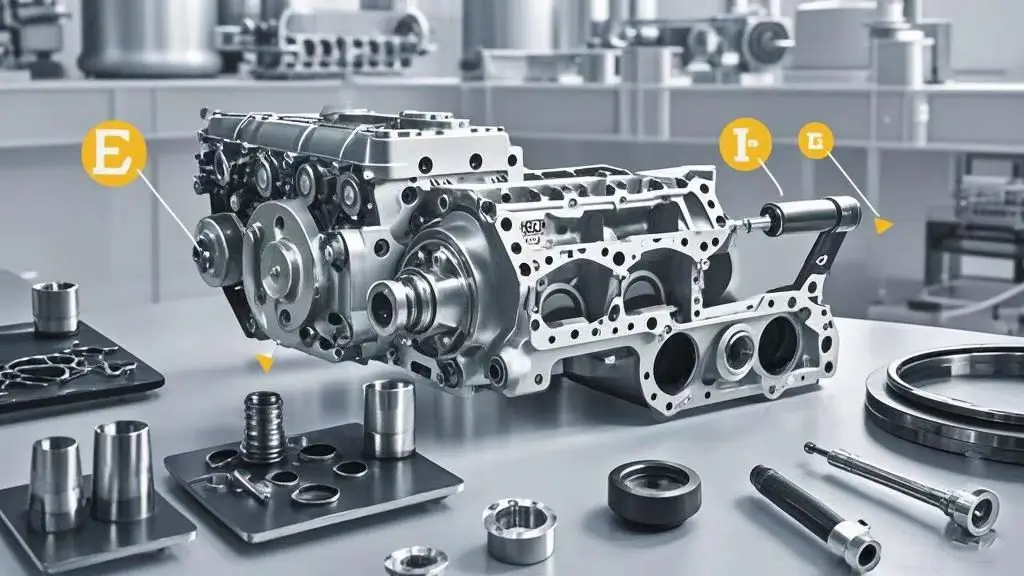
Pre-Installation Preparations:
- Ensure all parts are clean and free of debris.
- Verify that all components match the engine specifications.
- Gather necessary tools: wrenches, torque wrenches, screwdrivers, etc.
- Prepare the workspace, ensuring it’s well-lit and organized.
Step-by-Step Installation:
- Mount the Engine Block: Begin by securing the engine block on a stable stand.
- Install the Crankshaft: Carefully position the crankshaft and secure it with bearings and caps.
- Fit the Pistons and Connecting Rods: Insert pistons into the cylinders, attaching them to the crankshaft with connecting rods.
- Assemble the Camshaft: Install the camshaft, ensuring it’s properly aligned with the crankshaft.
- Attach the Cylinder Head: Secure the cylinder head onto the block, making sure the gasket is correctly placed.
- Install Timing Chain/Belt: Align the timing marks on the crankshaft and camshaft before installing the timing chain or belt.
- Finish with External Components: Attach components like the oil pan, valve covers, and accessories.
Common Tools and Equipment:
- Torque wrench: For precise tightening of bolts.
- Engine hoist: To safely lift and position the engine.
- Dial indicator: To measure crankshaft end play.
- Feeler gauge: For checking valve clearances.
How to Choose the Right Engine Assembly
Choosing the right engine assembly for your vehicle is crucial for performance and compatibility. Here are some factors to consider:
- Vehicle Specifications: Ensure the engine assembly matches your vehicle’s make, model, and year.
- Purpose: Are you looking for a standard replacement, performance upgrade, or something for a restoration project?
- OEM vs. Aftermarket: OEM (Original Equipment Manufacturer) parts are made by the vehicle’s manufacturer, ensuring perfect fit and function. Aftermarket assemblies might offer performance enhancements but could vary in quality.
- Condition: If opting for a used or refurbished engine, check its history, mileage, and any previous repairs.
- Warranty: Always consider assemblies with a solid warranty to protect your investment.
How to Maintain the Engine Assembly After Installation
Proper maintenance is key to extending the life of your engine assembly. Here’s how to keep it running smoothly:
- Regular Oil Changes: Follow your vehicle’s service manual for oil change intervals. Fresh oil lubricates engine parts, reducing wear.
- Cooling System Maintenance: Ensure your cooling system is in top shape to prevent overheating. Regularly check the coolant level and replace the coolant as needed.
- Check for Leaks: Regularly inspect for any signs of oil or coolant leaks, which could indicate issues like a faulty gasket or loose connections.
- Inspect Belts and Hoses: Look for wear and tear on belts and hoses, replacing them as necessary to avoid breakdowns.
- Monitor Engine Performance: Pay attention to any unusual sounds, vibrations, or changes in performance, as these can be early signs of trouble.
Engine Assembly Installation Precautions
Installing an engine assembly involves several precautions to ensure safety and accuracy:
- Safety Measures: Always wear safety gear, including gloves and safety glasses. Use proper lifting techniques when handling heavy components.
- Avoid Common Mistakes: Double-check all measurements and clearances during assembly. Incorrect torque settings or misalignment can cause significant issues.
- Alignment and Torque: Ensure that all parts are properly aligned before final tightening. Use a torque wrench to apply the correct amount of force on bolts, preventing over-tightening or under-tightening.
Conclusion
The engine assembly is a complex, yet fascinating process that is central to vehicle performance. By understanding the structure, installation steps, and maintenance requirements, you can ensure that your vehicle’s engine runs smoothly for years to come. Whether you’re a seasoned mechanic or a curious car owner, knowing the intricacies of engine assembly can empower you to make informed decisions and appreciate the engineering marvel that powers your car.
FAQs
1. What is the difference between engine assembly and engine rebuilding?
- Engine assembly involves putting together a new engine from various components, whereas engine rebuilding refers to repairing or replacing parts within an existing engine to restore it to working condition.
2. How long does an engine assembly typically last?
- With proper maintenance, an engine assembly can last anywhere from 100,000 to 200,000 miles or more, depending on driving conditions and care.
3. Can I install an engine assembly myself?
- While it’s possible for experienced DIY mechanics to install an engine assembly, it’s a complex task that requires specialized tools and knowledge. For most people, it’s best left to professionals.
4. What should I do if my engine assembly fails?
- If your engine assembly fails, it’s crucial to diagnose the cause quickly. Depending on the issue, you may need to repair or replace the engine. Consult with a professional mechanic for the best course of action.
5. How can I tell if my engine assembly is installed correctly?
- A properly installed engine will run smoothly without unusual noises, vibrations, or leaks. If you notice any issues, it’s important to address them immediately to prevent further damage.



Add comment