

Is It Safe to Drive With a Misfiring Cylinder?
Imagine your car engine as a finely tuned orchestra, with each cylinder playing its part in harmony. Now, picture one instrument completely out of tune—that’s essentially what happens when a cylinder misfires. It’s disruptive, problematic, and, if left unchecked, can lead to severe consequences for your engine. So, is it safe to drive with a misfiring cylinder? Let’s dive into the details.
What Does the Cylinder Do?
The engine’s cylinder is essentially the heart of your vehicle’s internal combustion engine. This critical component is where fuel is burned and power is generated to propel your car forward. If you imagine the engine as a factory, the cylinders are the individual workstations producing energy.
How Cylinders Work
At its core, the cylinder contains a piston, which moves up and down in a precise rhythm. Fuel and air enter the cylinder, are compressed by the piston, and then ignited by the spark plug. This small explosion generates the force needed to turn the crankshaft and ultimately move your car.
Types of Cylinder Configurations
Engines can have different numbers and layouts of cylinders, such as:
- Inline engines (common in most sedans).
- V-shaped engines (found in high-performance cars).
- Boxer engines (used in some sports cars).
Each configuration has unique benefits, but all rely on cylinders functioning perfectly. When even one cylinder misfires, the engine’s overall performance drops significantly.
What Causes a Cylinder Misfire?
A cylinder misfire occurs when the combustion process inside one or more engine cylinders is disrupted. This disruption prevents the engine from running smoothly and efficiently. Let’s break down the most common causes of cylinder misfires and how they affect your vehicle.
1. Problems With the Ignition System
The ignition system is responsible for igniting the air-fuel mixture in the cylinder. When something goes wrong with this system, the spark needed for combustion may not occur, leading to a misfire. Common ignition-related issues include:
- Worn or Faulty Spark Plugs: Spark plugs are essential for igniting the air-fuel mixture. Over time, they wear out or become fouled with carbon deposits, causing weak or no sparks.
- Malfunctioning Ignition Coils: Ignition coils generate the high voltage needed to create a spark. A damaged coil can prevent one or more cylinders from firing.
- Damaged Wiring or Connectors: Faulty wiring or loose connections in the ignition system can interrupt the flow of electricity needed for combustion.
2. Fuel Delivery Issues
For proper combustion, the right amount of fuel must mix with air in the cylinder. When fuel delivery is compromised, misfires can occur. Common fuel-related problems include:
- Clogged Fuel Injectors: Fuel injectors spray fuel into the cylinder. When clogged, they deliver insufficient fuel, disrupting the combustion process.
- Faulty Fuel Pumps: The fuel pump supplies fuel to the injectors. A failing pump can lead to inconsistent fuel delivery.
- Contaminated Fuel: Low-quality or contaminated fuel can contain water, dirt, or other impurities that prevent efficient combustion.
3. Air Intake Problems
The air entering the cylinder must mix with fuel in the correct ratio for combustion to occur. When air intake is disrupted, the mixture can become too rich (too much fuel) or too lean (too little fuel), causing misfires. Common issues include:
- Vacuum Leaks: Cracks or loose connections in the vacuum hoses can allow unmetered air into the engine, throwing off the air-fuel ratio.
- Dirty or Clogged Air Filters: A clogged air filter restricts airflow, reducing the amount of air available for combustion.
4. Compression Loss
The cylinder must maintain a certain level of pressure for combustion to occur. If compression is lost, the cylinder won’t fire properly. Causes of compression loss include:
- Worn Piston Rings: Piston rings create a seal between the piston and the cylinder wall. If they wear out, the cylinder loses pressure.
- Damaged Valves: Bent, burnt, or leaking valves can allow air to escape, reducing compression.
- Blown Head Gaskets: A blown head gasket can cause a loss of compression by allowing air or coolant to leak into the cylinder.
5. Sensor and Engine Control Module (ECM) Issues
Modern vehicles rely on sensors and the ECM to monitor and adjust the engine’s performance. Malfunctions in these components can lead to misfires:
- Faulty Oxygen Sensors: These sensors monitor the air-fuel mixture and send data to the ECM. A faulty sensor can cause incorrect adjustments, leading to misfires.
- Crankshaft or Camshaft Position Sensors: These sensors ensure proper timing for spark and fuel injection. Malfunctions can disrupt the firing order.
6. Overheating or Poor Maintenance
Overheating can warp engine components like the cylinder head or valves, leading to misfires. Poor maintenance, such as ignoring oil changes or using low-quality parts, can also contribute to misfiring issues.
7. Other Mechanical Issues
In some cases, mechanical problems in the engine can directly cause misfires. These may include:
- Timing Belt or Chain Issues: A worn or misaligned timing belt/chain can disrupt the timing of valve and piston movements.
- Faulty EGR Valve: The exhaust gas recirculation (EGR) valve can become stuck, causing irregular combustion.
How Can I Tell If My Engine is Misfiring?
Recognizing the signs of a misfiring cylinder early can save you from costly repairs down the line. Here are some common symptoms to watch for:
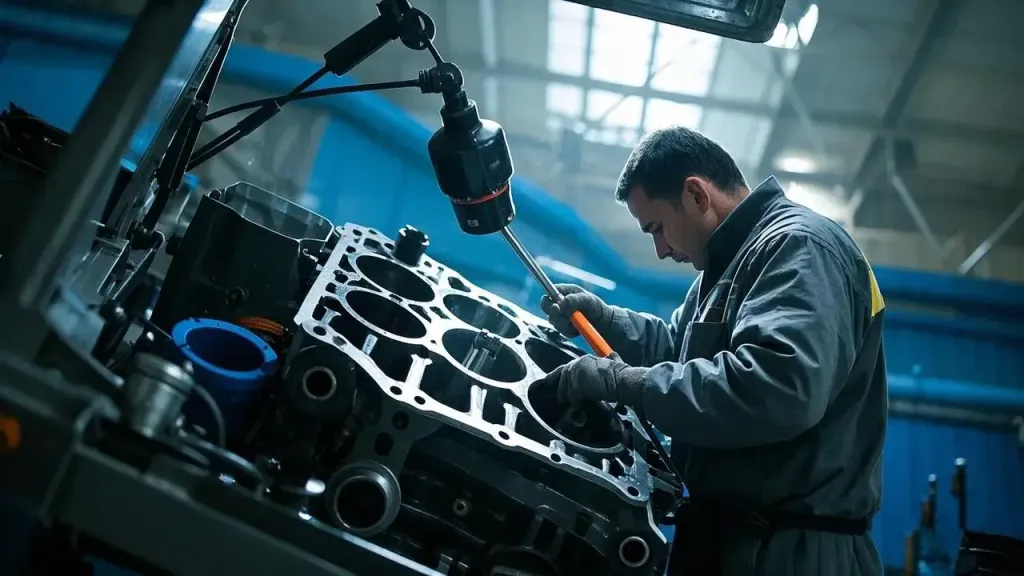
1. Rough Idling and Stalling
When a cylinder misfires, the engine may struggle to maintain a consistent RPM, leading to rough idling or even stalling when stopped.
2. Loss of Power
A misfire disrupts the engine’s balance, resulting in a noticeable drop in power. This can make acceleration sluggish and driving uphill difficult.
3. Dashboard Warning Lights
Most modern vehicles have sensors that detect misfires. If the Check Engine Light comes on, it’s a strong indication something is wrong.
4. Unusual Sounds
Listen for unusual sounds, such as popping or coughing noises coming from the engine. These could be signs of incomplete combustion.
How Long Can You Drive With a Misfiring Cylinder?
Driving with a misfiring cylinder is never recommended, but how long you can drive depends on the severity of the issue and the driving conditions.
1. Short-Term Risks
In the short term, driving with a misfire can lead to:
- Poor fuel economy.
- Decreased engine power.
- Potential overheating.
2. Long-Term Damage
Prolonged driving can cause:
- Catalytic converter failure due to unburned fuel entering the exhaust system.
- Increased wear and tear on other engine components.
If your vehicle starts misfiring, it’s best to address the issue as soon as possible. Waiting too long could turn a simple fix into an expensive repair job.
Additional Effects of Cylinder Misfires on Your Vehicle
When a cylinder misfires, the consequences extend beyond poor performance. Ignoring this issue can have cascading effects on various parts of your car. Let’s explore these in detail.
1. Reduced Fuel Efficiency
A misfiring cylinder disrupts the combustion process, causing the engine to burn more fuel than necessary. As a result, you may notice a significant drop in your car’s fuel economy. Frequent stops at the gas station are often a telltale sign of this issue.
2. Damage to the Catalytic Converter
One of the most costly side effects of a misfiring cylinder is damage to the catalytic converter. When fuel is not properly burned in the cylinder, it can enter the exhaust system unburned. This excess fuel burns in the catalytic converter, causing it to overheat and fail prematurely.
3. Increased Emissions
Misfiring leads to incomplete combustion, which results in higher emissions of harmful gases like carbon monoxide and hydrocarbons. This not only harms the environment but can also cause your vehicle to fail emissions tests.
4. Accelerated Engine Wear
Over time, a misfiring cylinder can place undue stress on other engine components, such as the pistons, crankshaft, and even the timing system. This accelerated wear can reduce the lifespan of your engine and lead to costly repairs.
Why You Shouldn’t Ignore a Cylinder Misfire
It’s tempting to put off repairs when your car seems to be running “okay,” but ignoring a misfiring cylinder can have serious consequences. Here’s why you should address this problem immediately:
1. Escalating Repair Costs
A minor issue, such as a faulty spark plug, can quickly escalate into major engine damage if left unchecked. What could have been a simple, inexpensive fix may turn into a bill running into thousands of dollars.
2. Safety Risks
Driving with a misfiring cylinder can compromise your safety. The loss of power and rough performance can make it difficult to accelerate, merge, or handle your vehicle in emergencies.
3. Permanent Engine Damage
Ignoring a misfire for too long can result in permanent damage to the engine. This could necessitate a full engine rebuild or replacement—one of the most expensive repairs you can face.
Addressing a cylinder misfire as soon as it’s detected is always the best course of action. Your wallet—and your safety—will thank you.
Preventative Measures for Cylinder Misfires
Prevention is always better than cure, and with a few proactive steps, you can reduce the likelihood of cylinder misfires.
1. Regular Maintenance
Adhering to your vehicle’s maintenance schedule is crucial. Regular oil changes, air filter replacements, and engine inspections can help keep your engine in top condition.
2. Use High-Quality Fuel
Low-quality fuel can contain contaminants that clog fuel injectors and disrupt combustion. Always opt for fuel from reputable stations, and consider using fuel additives to clean the system periodically.
3. Inspect Spark Plugs and Ignition Coils
Spark plugs and ignition coils wear out over time and should be replaced as part of routine maintenance. Using high-quality parts ensures reliable performance and reduces the risk of misfires.
4. Check for Vacuum Leaks
Vacuum leaks can disrupt the air-fuel mixture, leading to misfires. During routine inspections, ask your mechanic to check for any leaks in the system.
By taking these measures, you can enjoy a smoother, more efficient ride and avoid the inconvenience of dealing with a misfiring cylinder.
How to Fix a Misfiring Cylinder
Fixing a misfiring cylinder requires identifying the root cause and addressing it effectively. Whether it’s a minor issue like a worn spark plug or a more complex mechanical failure, the right steps can restore your engine’s performance. Here’s a detailed guide on how to diagnose and fix a misfiring cylinder.
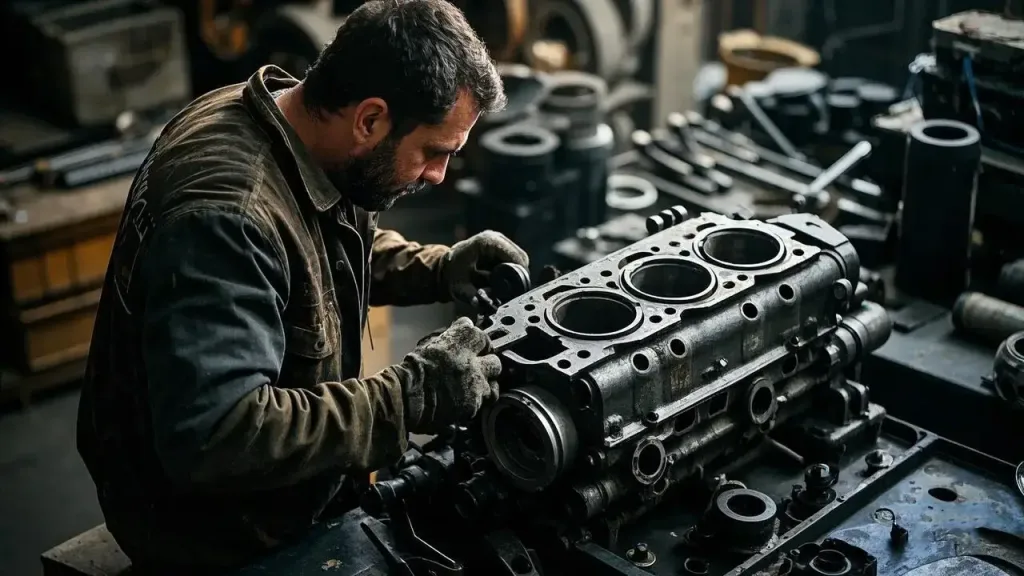
1. Diagnosing the Misfire
Before you can fix a misfire, you need to pinpoint the source of the problem. Follow these steps:
Step 1: Use an OBD-II Scanner
- Modern vehicles have an On-Board Diagnostics (OBD-II) system that can detect misfires.
- Plug the scanner into the diagnostic port and look for trouble codes like P0301 to P0308, which indicate specific cylinders that are misfiring.
Step 2: Perform a Visual Inspection
- Check for visible issues such as damaged spark plug wires, corroded ignition components, or fuel leaks.
- Inspect vacuum hoses for cracks or disconnections, as vacuum leaks can also cause misfires.
Step 3: Conduct Compression and Leak-Down Tests
- A compression test can reveal if the cylinder has sufficient pressure for combustion.
- A leak-down test can help identify issues with valves, piston rings, or the head gasket.
2. Common Fixes for a Misfiring Cylinder
Once you’ve identified the cause, you can take the appropriate steps to resolve the issue. Here are some common solutions:
a. Fixing Ignition System Issues
- Replace Spark Plugs:
Worn-out or fouled spark plugs are one of the most common causes of misfires. Replace them with new ones as per the manufacturer’s recommendations. - Inspect and Replace Ignition Coils:
If an ignition coil is faulty, it won’t deliver the voltage needed to create a spark. Replace any damaged coils. - Check Wiring and Connections:
Repair or replace any damaged wires or loose connections in the ignition system.
b. Resolving Fuel Delivery Problems
- Clean or Replace Fuel Injectors:
Clogged injectors can disrupt fuel delivery. Use a fuel injector cleaner or replace the injector if necessary. - Check the Fuel Pump and Pressure Regulator:
Ensure the fuel pump is working correctly and that fuel pressure meets the required specifications. - Use High-Quality Fuel:
If low-quality or contaminated fuel caused the issue, drain the tank and refill it with premium fuel.
c. Addressing Air Intake Problems
- Replace Dirty Air Filters:
A clogged air filter restricts airflow, causing an imbalance in the air-fuel mixture. Replace the filter if it’s dirty. - Fix Vacuum Leaks:
Repair any cracked or disconnected vacuum hoses to restore proper air intake.
d. Repairing Mechanical Failures
- Replace Worn Piston Rings or Valves:
If compression is low due to mechanical issues, you may need to replace worn piston rings, valves, or other components. - Repair or Replace the Head Gasket:
A blown head gasket can cause misfires and must be replaced by a professional mechanic.
e. Addressing Sensor or ECM Issues
- Replace Faulty Sensors:
If sensors like the oxygen sensor or crankshaft position sensor are malfunctioning, replace them. - Update or Reprogram the ECM:
In some cases, reprogramming the engine control module can resolve misfire-related issues.
3. DIY vs. Professional Repairs
Some misfire issues can be fixed at home, while others require professional expertise.
When You Can DIY
- Replacing spark plugs, ignition coils, or air filters is straightforward and can be done with basic tools.
- Cleaning fuel injectors or tightening loose connections may also be within reach for DIY enthusiasts.
When to Seek Professional Help
- If the issue involves complex components like the timing system, piston rings, or head gaskets, it’s best to consult a professional mechanic.
- Persistent misfires or unclear diagnostics require specialized tools and expertise for accurate resolution.
4. Cost of Fixing a Misfiring Cylinder
The cost of repairs depends on the underlying cause:
- Spark Plug Replacement: $50–$150.
- Ignition Coil Replacement: $100–$250 per coil.
- Fuel Injector Replacement: $300–$800.
- Major Engine Repairs (e.g., Head Gasket or Pistons): $1,000–$5,000 or more.
Addressing the issue promptly can save you from escalating costs, as prolonged misfires can lead to severe engine damage.
FAQs on Driving With a Misfiring Cylinder
1. Can a misfiring cylinder damage the engine?
Yes, driving with a misfiring cylinder can cause serious damage over time, including wear on engine components and failure of the catalytic converter.
2. What’s the cost of fixing a cylinder misfire?
The cost varies depending on the cause. Simple fixes like replacing spark plugs cost around $50–$150, while complex repairs can exceed $1,000.
3. Is it safe to drive short distances with a misfire?
Driving short distances may be possible, but it’s risky. A misfiring cylinder can cause further damage, so it’s best to address the issue immediately.
4. Can fuel additives fix a misfire?
In some cases, fuel additives can help clean clogged injectors or improve fuel quality. However, they won’t fix mechanical or ignition-related issues.
5. How often do cylinder misfires occur?
The frequency of misfires depends on your vehicle’s age, maintenance, and driving habits. Regular upkeep can minimize the chances of this issue.
Conclusion
Driving with a misfiring cylinder is neither safe nor cost-effective. Misfires can lead to poor performance, increased emissions, and costly damage to your engine and catalytic converter. By addressing the issue promptly and following preventative maintenance practices, you can avoid these problems and enjoy a smoother, more reliable driving experience.
If you’re dealing with a cylinder misfire or want to learn more about keeping your engine in top shape, don’t hesitate to reach out to the experts at Wanasign Auto.
Contact Wanasign Auto Today for More Information
When it comes to repairing a misfiring cylinder or addressing engine problems, finding reliable and high-quality replacement parts is critical. Wanasign Auto, a trusted manufacturer of automotive components, offers a range of cylinder-related parts designed to meet your vehicle’s needs.
Getting replacement cylinder parts from Wanasign Auto ensures that your engine gets the attention it deserves. With their reputation for quality and reliability, you can drive with confidence knowing your vehicle is equipped with some of the best parts in the industry. Visit our website or contact our support team today to find the right components for your repair needs.



Add comment